Humidification & humidity control in automotive manufacturing
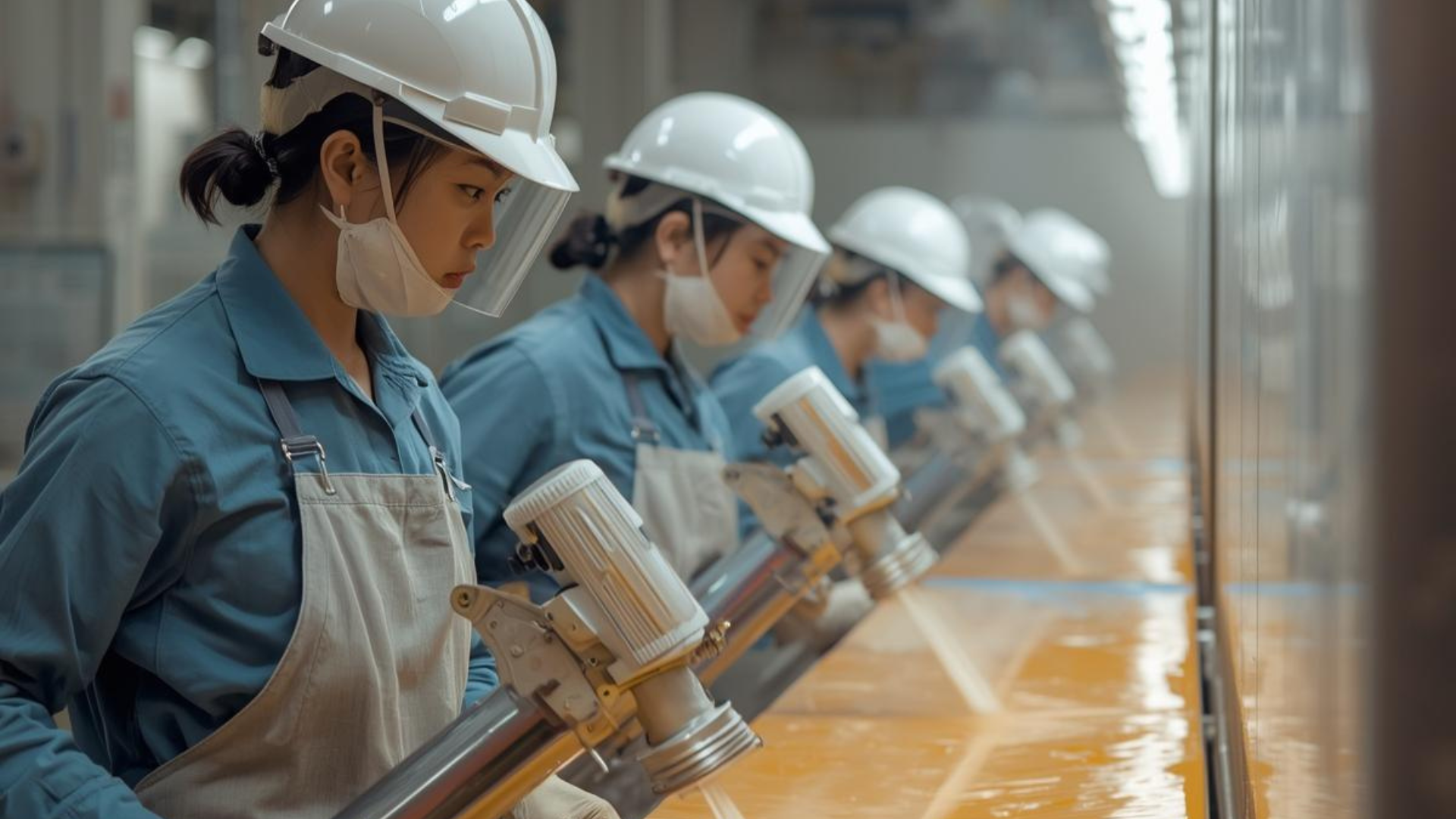
Humidification is the process of adding moisture to the air when it is too dry, while humidity control means maintaining the air moisture at a fixed and desired level. In automotive manufacturing plants, air conditions change due to weather, machinery heat, and ventilation systems. If humidity is not controlled, the air may become too dry or too moist. Both conditions can negatively affect production quality.
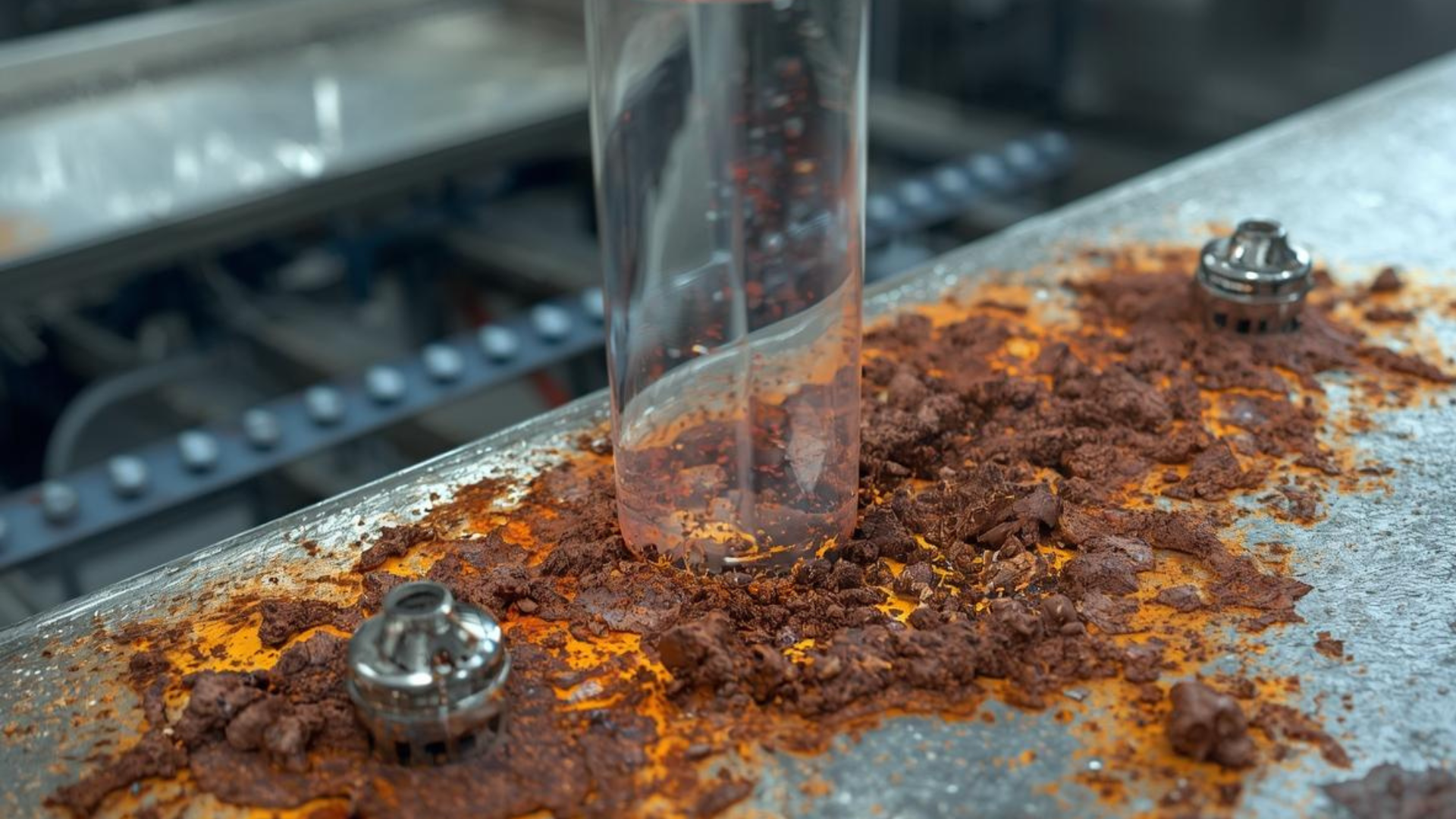
Automotive manufacturing involves multiple sensitive processes that depend on stable environmental conditions. Poor humidity control can lead to defects, material damage, and production delays. Excessively dry air increases static electricity, while high humidity causes condensation and corrosion. Both situations can increase rejection rates and maintenance costs. Humidity control helps maintain consistent production quality throughout the year. It also reduces variability caused by seasonal climate changes. By controlling humidity, manufacturers ensure predictable outcomes and stable operations. This directly improves efficiency and reduces operational risks.