
Asia · DAH
Ozone Generator for Vietnam — Seafood Processing, Aquaculture & Water Treatment
Vietnam is the world's third-largest seafood exporter. EU and US market access requires compliance with EC Regulation 854/2004 and HACCP standards, both of which accept ozone as a validated disinfection method. Our CE-certified seafood processing systems and aquaculture ozone generators are used by shrimp and pangasius processors targeting European markets. TCVN 5943 aquaculture water quality standards align with our system outputs.
- CE Marking
- ISO 9001:2015
- ISO 12100
- RoHS
$8.9 Billion
Total Seafood Export Value (2022)
Vietnam Association of Seafood Exporters and Processors (VASEP) · 2022
1.4 Million Tonnes
Pangasius (Tra Catfish) Annual Production
Ministry of Agriculture and Rural Development (MARD), Vietnam · 2022
$4.3 Billion
Shrimp Export Value
VASEP Vietnam Seafood Export Report · 2022
Challenges and Solutions for Vietnam
Key Challenges in Vietnam
EU and US antibiotic residue bans threaten pangasius and shrimp export licences for MARD-registered processors
EC Regulation 854/2004 requires HACCP-compliant seafood processing with validated chemical-free disinfection methods
Industrial zones in Ho Chi Minh City, Binh Duong, and Dong Nai face groundwater contamination from factory runoff
Growing pharmaceutical and food export sectors require WHO GMP-grade water systems for production
How We Solve It
Ozone aquaculture systems replace antibiotics in shrimp and pangasius hatcheries — achieving antibiotic-free certification
CE-certified seafood processing equipment for HACCP compliance meeting EC 854/2004 and TCVN 5943 standards
Industrial water treatment systems for Ho Chi Minh City and Hanoi manufacturing zones
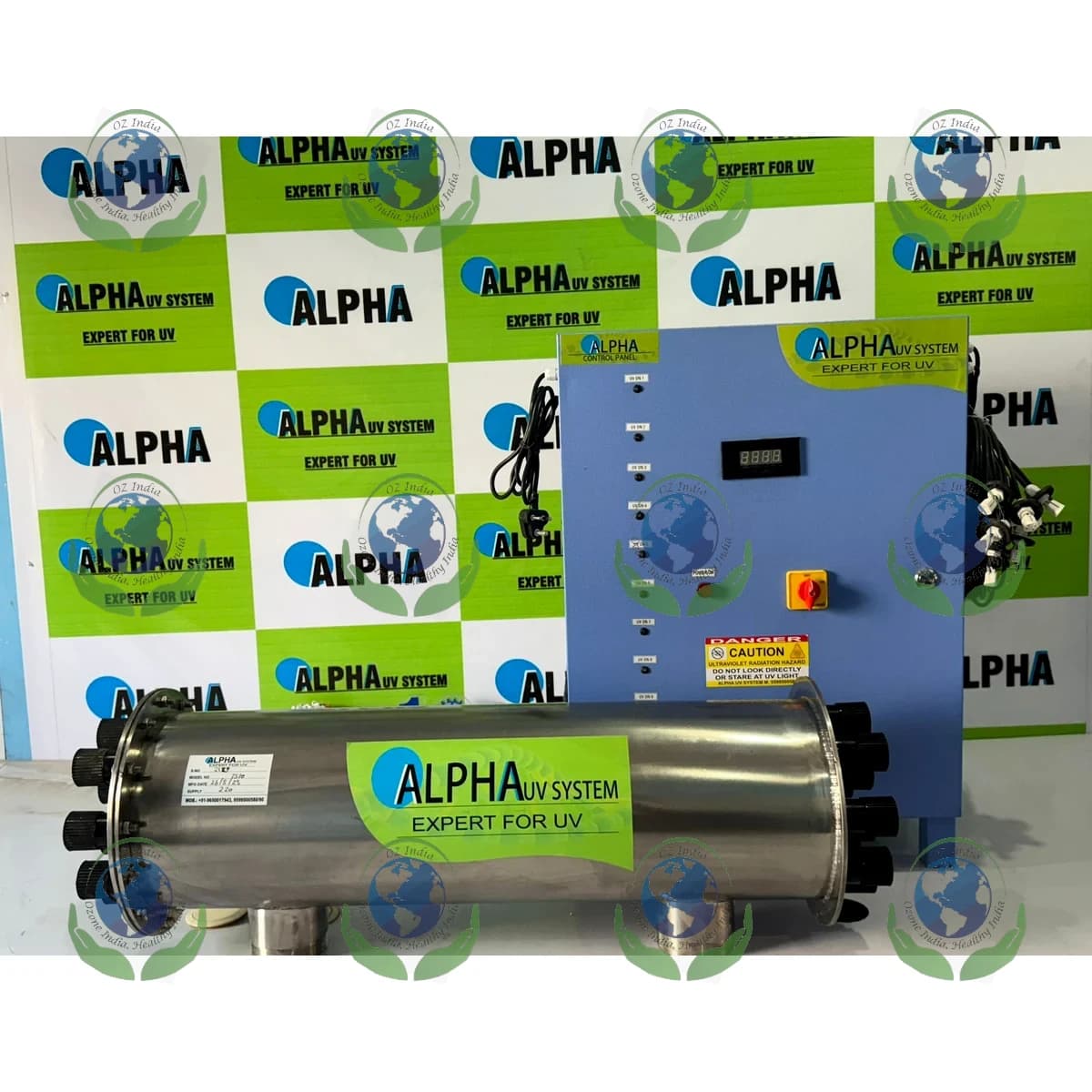
UV pharmaceutical water systems and food washing machines for Vietnam's growing food export industry
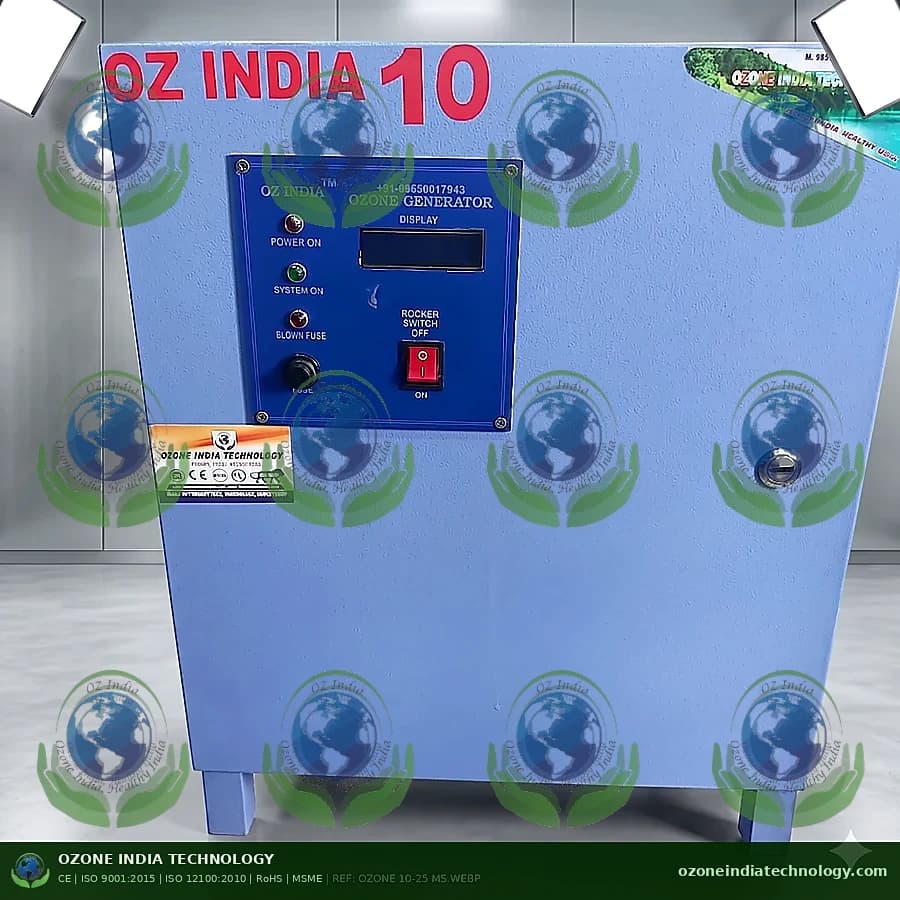
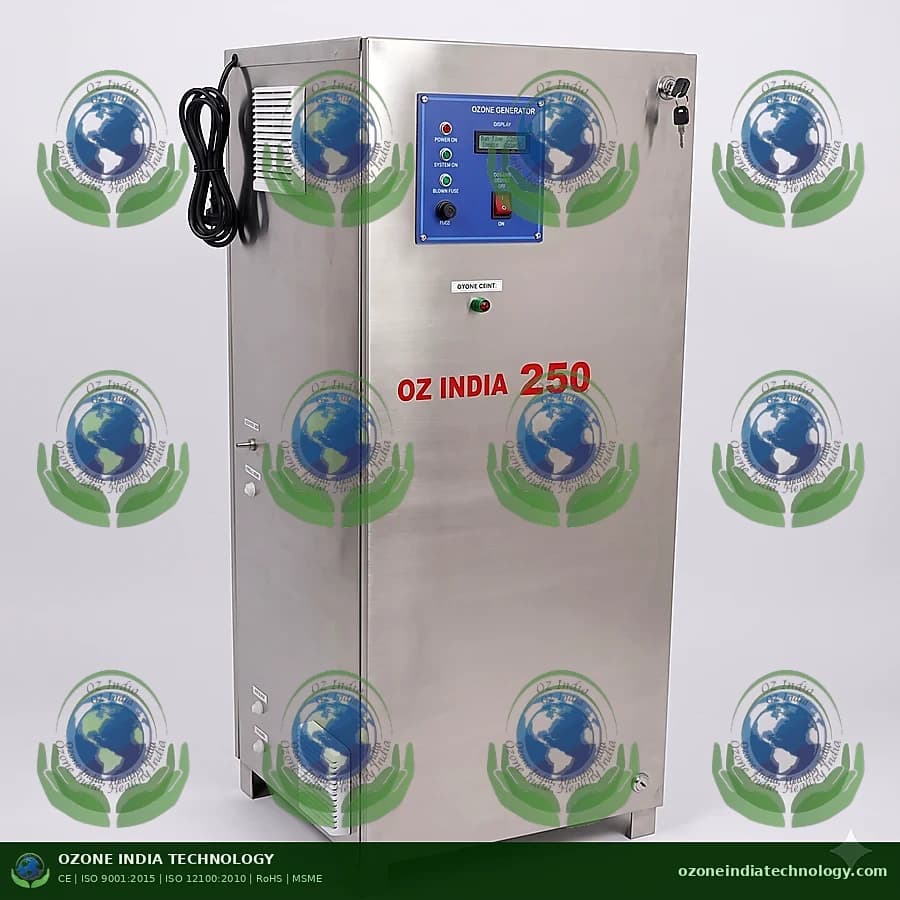
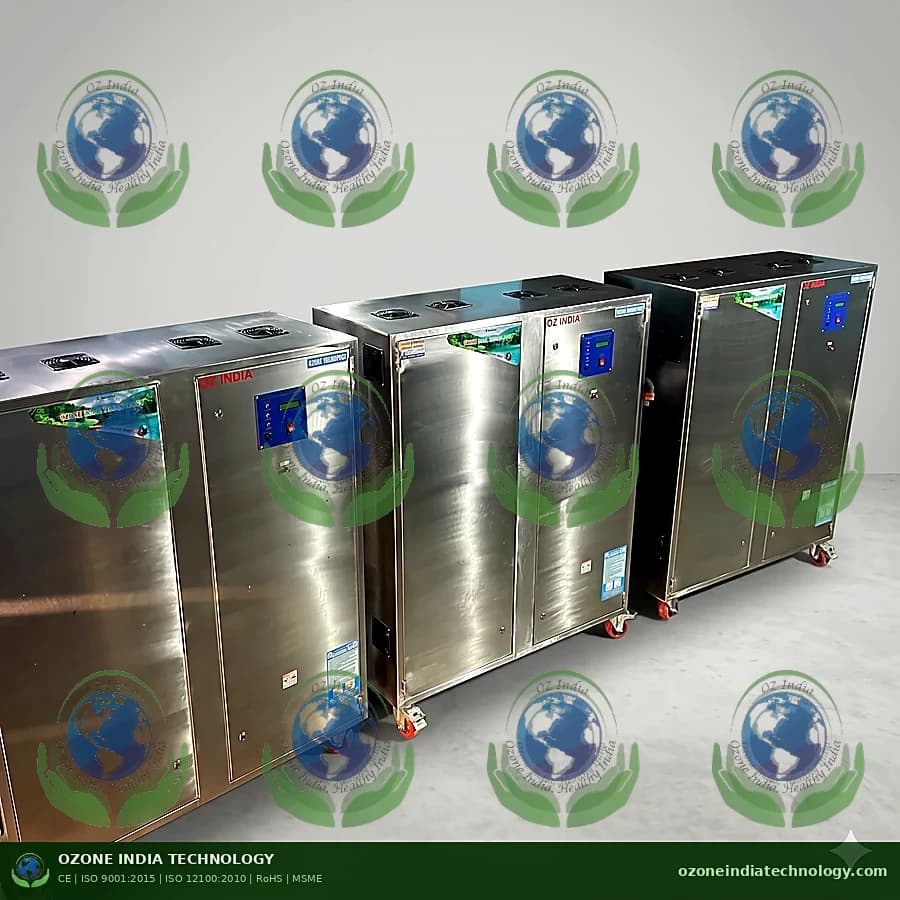
Recommended
Products for Vietnam
Regulatory Compliance & Why Us
DAH — Department of Animal Husbandry Vietnam
CE & ISO 9001:2015 certified — full documentation for:
- QCVN 01-1:2018/BYT
- TCVN 5943
- Vietnam food safety regulations
CE Marking
CE-2621A
ISO 9001:2015
UQ-270426AD1
ISO 12100
UQ-27426AD89
RoHS
QA-2704A2
Why Ozone India Technology for Vietnam?
CE marking satisfies EU import regulations for seafood — critical for pangasius and shrimp exporters
India-Vietnam direct sea route — competitive freight to Ho Chi Minh City and Haiphong ports
ASEAN trade framework duty benefits for CE-certified equipment imports
Aquaculture expertise proven in shrimp and pangasius environments across Southeast Asia
No minimum order — single units to large-scale hatchery and processing plant installations
Industry Applications in Vietnam
Industry
Overview
Vietnam · Asia
Vietnam has established itself as one of Southeast Asia's most dynamic export economies, with aquaculture and seafood at the centre of its agricultural identity. The Vietnam Association of Seafood Exporters and Processors (VASEP) reported seafood exports of $8.9 billion in 2022, ranking Vietnam as the world's third-largest seafood exporter. The country's aquaculture sector, overseen by the Ministry of Agriculture and Rural Development (MARD), produces approximately 1.4 million tonnes of pangasius (Tra catfish) annually — supplying EU, US, and Japanese markets. Alongside pangasius, shrimp exports alone reached $4.3 billion in 2022. Vietnam's 40,000+ aquaculture farms, spanning brackish coastal ponds and freshwater river delta systems in the Mekong Delta, constitute a water-intensive production system that faces escalating biological and chemical quality challenges directly linked to market access and export revenue.
Vietnam's export-facing aquaculture and food processing sector operates under intense scrutiny from its largest buyers. The EU's application of Regulation (EC) 854/2004 governing official controls on products of animal origin has resulted in periodic import alerts, border rejections, and rapid alert notifications (RASFF) targeting Vietnamese pangasius and shrimp shipments for antibiotic residues — including oxytetracycline, enrofloxacin, and malachite green. FAO estimated in 2019 that Vietnamese aquaculture uses 200+ tonnes of antibiotics annually, making resistance management a central MARD priority. The US FDA has issued import alerts against several Vietnamese seafood processors. Japan's Ministry of Health, Labour and Welfare (MHLW) enforces maximum residue limits (MRLs) of 0.01–0.05 ppm for common aquaculture antibiotics. Eliminating antibiotic dependence through improved water quality — using ozone disinfection — is the strategic lever that Vietnamese producers need to protect $8.9 billion in export value.
Vietnam's regulatory framework for water quality is administered across several authorities. MARD governs aquaculture water quality and food safety for fishery products through the National Agro-Forestry-Fisheries Quality Assurance Department (NAFIQAD). Drinking water quality is regulated by QCVN 01-1:2018/BYT — Vietnam's national technical regulation on drinking water quality issued by the Ministry of Health — which establishes limits for 109 parameters including coliform, E. coli, arsenic (10 µg/L), turbidity (2 NTU), and residual chlorine (0.3–0.5 mg/L at point of distribution). Industrial wastewater must comply with QCVN 08-MT:2015/BTNMT (surface water) and QCVN 40:2011/BTNMT (industrial effluent), enforced by the Ministry of Natural Resources and Environment (MONRE). The Vietnamese Food Safety Law (No. 55/2010/QH12) and related Decree 15/2018/ND-CP establish the legal basis for food contact sanitiser approvals, under which ozone is recognised as a permitted food processing aid.
Ozone's application in Vietnamese aquaculture addresses the root cause of antibiotic overuse: poor pond water quality. High organic loads, algal blooms, and pathogen pressure in Mekong Delta aquaculture ponds drive farmers toward prophylactic antibiotic use. Dissolved ozone at 0.1–0.5 mg/L in recirculating aquaculture systems (RAS) and flow-through pond inlet water eliminates Vibrio spp., Aeromonas hydrophila, and white spot syndrome virus (WSSV) — the primary shrimp and fish pathogens — without antibiotic residues. Ozone also breaks down accumulated ammonia and nitrite in high-density culture systems, improving dissolved oxygen levels and reducing feed conversion ratios. In seafood processing plants, ozone at 1–3 ppm in chiller water and on processing surfaces eliminates post-harvest bacterial contamination, directly reducing RASFF alerts and enabling EU and Japanese market access. Research demonstrates ozone achieves 4-log pathogen reduction without the halogenated disinfection by-products associated with chlorine.
Ozone India Technology's systems offer Vietnamese aquaculture and food processing buyers a combination of certified quality and operationally practical economics that European alternatives cannot match. With manufacturing operations in Greater Noida, India — approximately 2,500 km from Ho Chi Minh City — sea freight transit times to Cai Mep or Cat Lai terminals are 7–10 days, compared to 25–35 days for European equipment. Cost of ownership is significantly lower: Indian-manufactured ozone systems priced competitively against locally assembled equipment but carrying CE and ISO 9001:2015 certification that European brands use as their primary quality differentiator. Critically for Vietnam's tropical climate — ambient temperatures of 28–38°C, 80–95% relative humidity in the Mekong Delta — Ozone India Technology engineers its systems for continuous operation in these conditions, avoiding the failures common with European systems calibrated for temperate climates. Technical documentation is available in English for Vietnamese compliance submissions to NAFIQAD and MONRE.
Sourced Data
Vietnam — Market Statistics
All figures sourced from WHO, FAO, World Bank, and national agencies.
- Total Seafood Export Value (2022)
- $8.9 Billion
- Pangasius (Tra Catfish) Annual Production
- 1.4 Million Tonnes
- Shrimp Export Value
- $4.3 Billion
- Registered Aquaculture Farms
- 40,000+
- Estimated Annual Antibiotic Use in Vietnamese Aquaculture
- 200+ Tonnes
- Drinking Water Regulated Parameters (QCVN 01-1:2018/BYT)
- 109 Parameters
Vietnam Association of Seafood Exporters and Processors (VASEP) · 2022
Ministry of Agriculture and Rural Development (MARD), Vietnam · 2022
VASEP Vietnam Seafood Export Report · 2022
Ministry of Agriculture and Rural Development (MARD), Vietnam · 2022
FAO Antimicrobial Resistance in Aquaculture Report · 2019
Ministry of Health Vietnam — National Technical Regulation QCVN 01-1:2018/BYT · 2018
Peer-Reviewed Evidence
Research & Scientific Basis
Published studies supporting ozone treatment in Vietnam's industrial context.
Use of Ozone to Inactivate Microbial Contaminants on Vegetables
Kim JG, Yousef AE, Dave S · Journal of Food Protection · 1999
Documented 3–5 log CFU/g reductions in Listeria, Salmonella, and E. coli O157:H7 on vegetable surfaces using ozone at 1.0–5.0 ppm. For Vietnam's export-oriented vegetable processing sector and pangasius processing plants, this level of microbial reduction on processing surfaces and product contact materials is directly relevant to eliminating RASFF alerts triggered by EU border microbiological checks, while avoiding the chlorine residues that Japanese MHLW importers flag under Japan's Food Sanitation Law.
Microbiological Aspects of Ozone Applications in Food: A Review
Khadre MA, Yousef AE, Kim JG · Journal of Food Science · 2001
Established ozone's broad-spectrum efficacy against Vibrio spp., Aeromonas hydrophila, and WSSV-class pathogens in aquatic environments at 0.1–1.0 ppm dissolved concentrations. This is directly applicable to Vietnamese shrimp and pangasius aquaculture, where Vibrio harveyi and Vibrio parahaemolyticus are the primary bacterial killers in intensive ponds. The review supports replacing preventive antibiotic dosing with ozone-based pond water management — preserving antibiotic sensitivity, meeting EU Reg. (EC) 854/2004 residue limits, and protecting Vietnam's $4.3 billion shrimp export market.
Review of Ozone for Aquaculture Applications
Summerfelt ST, Hochheimer JN · Progressive Fish-Culturist · 1997
Established design parameters for ozone application in recirculating aquaculture systems (RAS) and flow-through systems: 0.1–0.3 mg/L dissolved ozone for pathogen control; 0.5–2.0 g O3/kg feed as a micro-flocculation agent for suspended solids removal; and critical off-gas control requirements. For Vietnam's transition from open pond aquaculture to semi-intensive and intensive RAS systems — driven by MARD's Aquaculture Law 2017 — this study provides the engineering basis for ozone system sizing and safe operation applicable to both Mekong Delta brackish shrimp systems and freshwater pangasius RAS installations.
Parameter Compliance
DAH Regulatory Parameters
How our certified systems perform against Vietnam's official limits.
| Parameter | DAH Limit | Our System Output | Standard |
|---|---|---|---|
| E. coli (Drinking Water) | 0 CFU/100 mL | Non-detectable (ND) | QCVN 01-1:2018/BYT — Ministry of Health Vietnam |
| Turbidity (Drinking Water) | 2 NTU | <1 NTU (post ozone + filtration) | QCVN 01-1:2018/BYT — Ministry of Health Vietnam |
| COD (Industrial Effluent, Column A — Sensitive Water Bodies) | 75 mg/L | <40 mg/L | QCVN 40:2011/BTNMT — MONRE Industrial Wastewater |
| Total Coliform (Industrial Effluent) | 3,000 MPN/100 mL (Column B) | <10 MPN/100 mL | QCVN 40:2011/BTNMT — MONRE Industrial Wastewater |
| Colour (Industrial Effluent) | 50 Pt-Co (Column A) | <10 Pt-Co | QCVN 40:2011/BTNMT — MONRE Industrial Wastewater |
| Antibiotic Residues (Seafood Export — Oxytetracycline) | 0.1 mg/kg (MARD / EU harmonised MRL) | Not generated (no antibiotics used with ozone treatment) | EU Reg. (EC) 854/2004; MARD Circular 26/2016/TT-BNNPTNT; Japan Food Sanitation Law MRL |
Sector Breakdown
Industry Applications in Vietnam
Key sectors, production scale, and how ozone technology addresses each challenge.
| Sector | Scale / Value | Challenge | Our Solution |
|---|---|---|---|
| Pangasius (Tra Catfish) Aquaculture & Processing | $1.8 Billion Exports (VASEP 2022) | Antibiotic residue rejection at EU and US borders; Vibrio/Aeromonas pond pathogens; high organic load in Mekong Delta ponds; NAFIQAD and EU Reg. 854/2004 compliance | Dissolved ozone at 0.1–0.3 mg/L for pond water treatment; ozone processing plant CIP systems; 4-log pathogen reduction without antibiotic residues; NAFIQAD-compliant documentation |
| Shrimp Aquaculture (Whiteleg & Black Tiger Shrimp) | $4.3 Billion Exports (VASEP 2022) | WSSV, EMS (EHP), and Vibrio infections; preventive antibiotic use flagged by Japan MHLW and EU; intensive pond oxygen depletion; ammonia/nitrite spikes | Ozone micro-flocculation for suspended solids; Vibrio spp. elimination at 0.2 mg/L; dissolved ozone improving water quality parameters; RAS-compatible ozone generators |
| Seafood Processing & Cold Chain | $8.9 Billion Total Seafood Export (VASEP 2022) | Post-harvest bacterial contamination; chiller water microbial loading; biofilm on stainless processing surfaces; EU RASFF alerts; Japanese MHLW residue checks | Ozone chiller water treatment (1–2 ppm); surface sanitation COP/CIP at 1–3 ppm ozone; HACCP-aligned ozone monitoring; residue-free, MARD-compliant food safety |
| Textile & Garment Manufacturing | $44 Billion Exports (VITAS 2022) | Reactive dye effluent COD/colour exceeding QCVN 40 limits; ZDHC MRSL compliance for EU and US brands; bleaching wastewater treatment costs | Ozone tertiary treatment for dye decolourisation (>90%); ozone-based fabric bleaching alternative; ZDHC-compliant wastewater discharge; COD reduction to Column A limits |
| Municipal Drinking Water Treatment | Vietnam Ministry of Construction CAPEX ~$500 Million/Year | QCVN 01-1:2018/BYT compliance for 109 parameters; Mekong Delta source water turbidity and algal toxins; groundwater arsenic and iron in northern provinces | Ozone primary disinfection achieving 4-log virus CT targets; algal toxin (microcystin) oxidation; arsenic As(III)→As(V) conversion pre-filtration; chloramine reduction for DBP compliance |
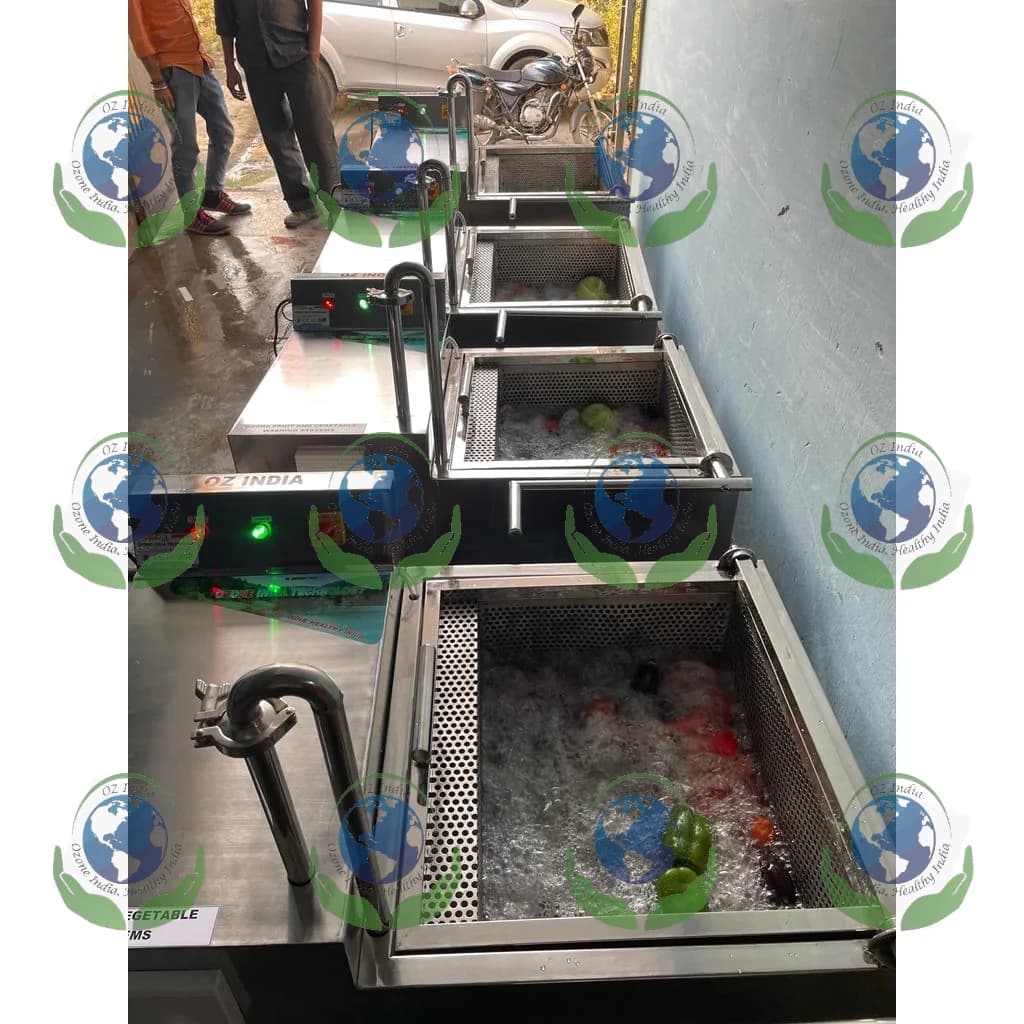
| Food & Beverage Manufacturing | $10+ Billion Domestic Market (Vietnam MoIT 2022) | Vietnam Food Safety Law 55/2010 compliance; mold contamination in tropical humidity; fruit/vegetable surface decontamination; brewery and dairy CIP water quality | Ozone fruit/vegetable washing systems (0.5–2 ppm); cold storage ozone sanitation; ozone-sanitised CIP water loops; Ministry of Health-recognised food processing aid |
Pangasius (Tra Catfish) Aquaculture & Processing
$1.8 Billion Exports (VASEP 2022)
Antibiotic residue rejection at EU and US borders; Vibrio/Aeromonas pond pathogens; high organic load in Mekong Delta ponds; NAFIQAD and EU Reg. 854/2004 compliance
Dissolved ozone at 0.1–0.3 mg/L for pond water treatment; ozone processing plant CIP systems; 4-log pathogen reduction without antibiotic residues; NAFIQAD-compliant documentation
Shrimp Aquaculture (Whiteleg & Black Tiger Shrimp)
$4.3 Billion Exports (VASEP 2022)
WSSV, EMS (EHP), and Vibrio infections; preventive antibiotic use flagged by Japan MHLW and EU; intensive pond oxygen depletion; ammonia/nitrite spikes
Ozone micro-flocculation for suspended solids; Vibrio spp. elimination at 0.2 mg/L; dissolved ozone improving water quality parameters; RAS-compatible ozone generators
Seafood Processing & Cold Chain
$8.9 Billion Total Seafood Export (VASEP 2022)
Post-harvest bacterial contamination; chiller water microbial loading; biofilm on stainless processing surfaces; EU RASFF alerts; Japanese MHLW residue checks
Ozone chiller water treatment (1–2 ppm); surface sanitation COP/CIP at 1–3 ppm ozone; HACCP-aligned ozone monitoring; residue-free, MARD-compliant food safety
Textile & Garment Manufacturing
$44 Billion Exports (VITAS 2022)
Reactive dye effluent COD/colour exceeding QCVN 40 limits; ZDHC MRSL compliance for EU and US brands; bleaching wastewater treatment costs
Ozone tertiary treatment for dye decolourisation (>90%); ozone-based fabric bleaching alternative; ZDHC-compliant wastewater discharge; COD reduction to Column A limits
Municipal Drinking Water Treatment
Vietnam Ministry of Construction CAPEX ~$500 Million/Year
QCVN 01-1:2018/BYT compliance for 109 parameters; Mekong Delta source water turbidity and algal toxins; groundwater arsenic and iron in northern provinces
Ozone primary disinfection achieving 4-log virus CT targets; algal toxin (microcystin) oxidation; arsenic As(III)→As(V) conversion pre-filtration; chloramine reduction for DBP compliance
Food & Beverage Manufacturing
$10+ Billion Domestic Market (Vietnam MoIT 2022)
Vietnam Food Safety Law 55/2010 compliance; mold contamination in tropical humidity; fruit/vegetable surface decontamination; brewery and dairy CIP water quality
Ozone fruit/vegetable washing systems (0.5–2 ppm); cold storage ozone sanitation; ozone-sanitised CIP water loops; Ministry of Health-recognised food processing aid
Ready to export to Vietnam
Deploy Ozone Technology in Vietnam
CE & ISO 9001:2015 certified. Full export documentation. Factory-direct from Greater Noida, India.