
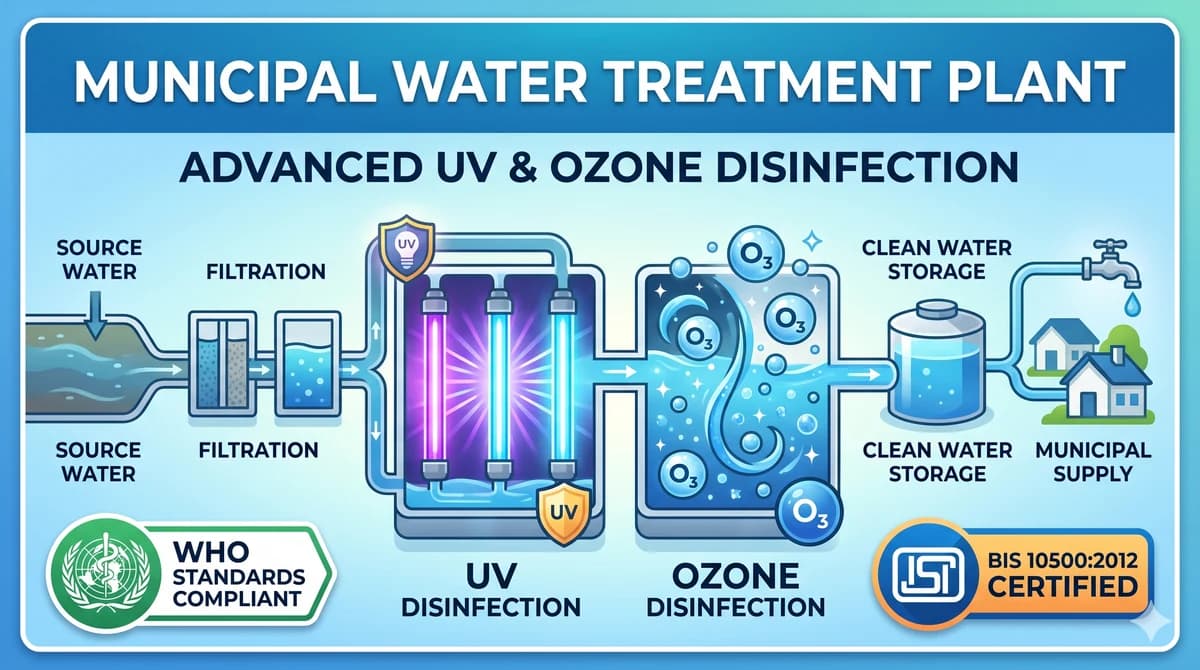
Ozone Generator in Water Treatment Plant (WTP)
Ozone and UV for superior raw water treatment — iron, manganese, taste, odour, and Cryptosporidium control
THE NEED
Why WTP?
600M
Indians lack access to safe drinking water (WHO)
99.9%
Cryptosporidium inactivation with ozone
100%
iron and manganese removal with ozone oxidation
0
THMs formed — vs chlorination which forms 80+ μg/L
40%
reduced coagulant dose needed with ozone pre-treatment
IS:10500
drinking water standard met with ozone+UV
OVERVIEW
What is WTP?
India's water supply crisis is both a public health emergency and an infrastructure development priority: WHO's 2017 Guidelines for Drinking-Water Quality estimate that unsafe drinking water contributes to 21% of India's total disease burden — over 400,000 deaths annually from waterborne diseases including typhoid, cholera, hepatitis A, and diarrhoeal illness. Water Treatment Plants that process raw surface water (rivers, lakes, reservoirs) and groundwater (borewells, tubewells) through the conventional treatment train of coagulation, flocculation, sedimentation, rapid sand filtration, and disinfection are the first line of defence against this burden. However, conventional WTP technology — designed in the mid-20th century using chlorine as the sole disinfectant — is demonstrably inadequate against several modern water quality challenges, making the ozone water treatment plant an essential upgrade for utilities seeking WHO and BIS IS 10500:2012 compliance.
The most serious inadequacy of conventional chlorine-based WTP disinfection is its failure against Cryptosporidium parvum and Giardia lamblia — protozoan parasites that form protective oocysts and cysts resistant to chlorine at practical WTP doses. Miltner et al. (1992), in the Journal AWWA, demonstrated that Cryptosporidium oocysts require chlorine CT of 7,200 mg/L·min for 3-log inactivation — approximately 1,440 times the CT achievable at a typical WTP with 2 mg/L chlorine and 30 minutes contact time. These parasites have caused major waterborne disease outbreaks in Indian cities including the 2012 Nainital outbreak (Cryptosporidium, 200+ cases) and recurrent Giardia events in Delhi and Kolkata's municipal supply. The ozone water treatment plant, in contrast, achieves 3-log Cryptosporidium inactivation at a CT of just 10 mg/L·min — achievable at standard WTP ozone doses of 1–3 mg/L with 10-minute contact time.
Iron and manganese contamination is the second major challenge driving adoption of the ozone water treatment plant across India. BIS IS 10500:2012 limits dissolved iron to 0.3 mg/L and dissolved manganese to 0.1 mg/L in drinking water — but CGWB groundwater surveys consistently find iron of 1–10 mg/L and manganese of 0.2–1.5 mg/L in aquifers across Jharkhand, Odisha, West Bengal, Bihar, Assam, and parts of Maharashtra and Rajasthan. Iron above 0.3 mg/L imparts an unacceptable metallic taste, stains laundry, plumbing fixtures, and bathroom tiles yellow-orange, and promotes growth of iron bacteria (Gallionella, Leptothrix) in distribution pipes. Conventional sand filtration removes iron only after oxidation to the insoluble Fe³⁺ form — and ozone at a dose of just 0.5–1.0 mg/L (0.43 mg O₃ per mg Fe²⁺ stoichiometrically) oxidises dissolved iron completely within seconds, far faster and more completely than aeration or chlorination.
Taste and odour are the water quality parameters that most directly affect public trust in municipal water supply — and where the ozone water treatment plant delivers its most immediately appreciated benefit. Geosmin (trans-1,10-dimethyl-trans-9-decalol) produced by Actinomycetes bacteria in reservoirs and 2-methylisoborneol (2-MIB) produced by blue-green algae (cyanobacteria) during summer bloom events are the two compounds responsible for the characteristic earthy, musty taste of Indian municipal water in monsoon and post-monsoon months. Langlais, Reckhow and Brink (1991) in Ozone in Water Treatment documented that geosmin and 2-MIB are oxidised by ozone with extremely high efficiency — at 0.3 mg/L ozone, geosmin is reduced from 100 ng/L to below the human taste threshold of 10 ng/L within 30 seconds of contact. No other practical WTP treatment — aeration, activated carbon, or chlorination — approaches this level of geosmin and 2-MIB removal at comparable cost and operational simplicity.
Natural organic matter (NOM) — the complex mixture of humic acids, fulvic acids, and protein-like compounds leached from soil and vegetation into surface water sources — represents a third category of challenge for the ozone water treatment plant. NOM at concentrations of 5–20 mg/L TOC in Ganga, Yamuna, Brahmaputra, and their tributaries reacts with chlorine during WTP treatment to form THMs (chloroform, BDCM, DBCM, bromoform) and HAAs — disinfection byproducts regulated at 100 μg/L total by CPCB drinking water standards and increasingly scrutinised as carcinogens. Ozone pre-treatment at 1–2 mg/L partially oxidises NOM, converting large humic molecules to smaller, more hydrophilic fragments that are (a) less reactive with chlorine (reducing THM formation by 40–70%) and (b) more efficiently removed by subsequent biological activated carbon filtration. This NOM transformation, documented by AWWA (2000) in Water Quality and Treatment, positions the ozone water treatment plant as the cornerstone of a multi-barrier treatment train that addresses NOM, DBPs, and pathogens simultaneously.
THE SCIENCE
How Ozone & UV Work in WTP
The ozone water treatment plant applies ozone at one or two points in the treatment train, depending on the water quality objectives. Pre-ozonation (ahead of coagulation/flocculation) at 0.5–1.5 mg/L addresses iron and manganese oxidation, taste and odour destruction, and NOM transformation — all of which improve downstream treatment performance. Intermediate ozonation (after sand filtration, before distribution) at 1–3 mg/L provides primary disinfection against all pathogens including Cryptosporidium and Giardia, and further oxidises any residual NOM and micropollutants. When both stages are used, the total ozone dose is 2–4 mg/L — the standard design basis for a comprehensive ozone water treatment plant. EPA (1999) Alternative Disinfectants Guidance Manual provides the design framework and CT tables used by OZ India engineers for WTP ozone system sizing.
Ozone generation for WTP applications uses the same corona discharge technology as for other water treatment applications, but WTP-scale systems are significantly larger — ranging from OZ India's 10 g/hr units for rural WTPs treating 1 MLD to the 400 g/hr–1 kg/hr systems for urban WTPs treating 10–100 MLD. The OZ India PSA Oxygen Generator for WTP applications produces 90–93% pure O₂ from ambient air at flow rates from 15 to 500 Nm³/hr — providing the optimal feed gas for WTP ozone generation at 8–10 kWh/kg ozone specific energy. The oxygen-fed ozone generator produces ozone at 6–12% w/w concentration, versus 1–3% for air-fed systems, enabling more compact ozone contactors and more efficient ozone transfer in the fine-bubble diffuser columns.
The ozone contact column at a conventional ozone water treatment plant uses counter-current fine-bubble diffusers — porous ceramic or stainless steel spargers that produce bubbles of 1–3 mm diameter, maximising gas-liquid interfacial area and achieving ozone transfer efficiency of 90–95%. AWWA (2000) recommends a contact time of 4–10 minutes in the ozone contactor, with at least one ozone-free compartment at the end of the contactor to allow any residual dissolved ozone to decay before post-filtration. The dissolved ozone monitor at the contactor outlet continuously confirms the achieved dissolved residual, which — combined with the hydraulically validated contact time from tracer studies or CFD modelling — documents the CT value for regulatory compliance. Kuo et al. (1977) provided the kinetic framework for ozone decay in water that underpins this CT calculation methodology.
Iron and manganese removal in the ozone water treatment plant proceeds through a two-step mechanism: ozone oxidises dissolved Fe²⁺ to Fe³⁺ (as iron hydroxide floc) and Mn²⁺ to MnO₂ (as insoluble manganese dioxide particles) within the ozone contactor, and the resulting particles are subsequently removed by the downstream sand filter or greensand filter. The key advantage over aeration + filtration (the conventional approach) is speed and completeness: ozone oxidises Fe²⁺ at a rate constant of 8.2 × 10⁵ M⁻¹s⁻¹ — over 30,000 times faster than molecular oxygen at the same dissolved oxygen concentration. At typical WTP flow velocity in the ozone contactor, complete iron oxidation occurs within the first minute of ozone contact, ensuring 100% removal efficiency across the full range of dissolved iron concentrations found in Indian groundwater. Manganese oxidation, which requires a higher ozone dose (0.5–1.0 mg/L per mg/L Mn²⁺), is also complete within 10 minutes at standard WTP ozone doses.
Biological activated carbon (BAC) filtration, installed downstream of the ozone contactor in optimised ozone water treatment plant designs, transforms the ozone system from a standalone disinfectant into the centrepiece of a highly effective multi-barrier treatment train. Ozone partially mineralises NOM — converting large, biologically recalcitrant humic molecules into smaller, assimilable organic carbon (AOC) compounds. These AOC compounds are readily biodegraded by the natural microbial biofilm that colonises the activated carbon filter medium over 2–4 weeks of operation, producing a biologically stable effluent with TOC below 0.5 mg/L — far below the 1 mg/L THM precursor threshold above which significant chlorination DBPs form. The BAC filter also removes ozone oxidation by-products (aldehydes, ketones) that contribute to taste. WHO (2017) Guidelines for Drinking-Water Quality recommend the ozone + BAC combination as the highest-performance treatment approach for surface water sources with elevated NOM and organic micropollutant loading.
Bromate management is a critical design consideration for every ozone water treatment plant drawing from bromide-containing source water. When ozone reacts with bromide (Br⁻) in water, bromate (BrO₃⁻) is formed — classified as a probable human carcinogen (Group 2B, IARC) with a WHO guideline value of 10 μg/L. Bromate formation is proportional to bromide concentration, ozone dose, contact time, and temperature. For most Indian river sources — Ganga (Br⁻ typically 20–60 μg/L), Yamuna, Narmada, Godavari — bromate formation at standard WTP ozone doses (1–3 mg/L) remains below 5 μg/L, within the WHO guideline. OZ India engineers verify source water bromide as part of every WTP ozone system design — for the rare cases where bromide exceeds 100 μg/L (coastal aquifers, some industrial-affected sources), ozone dose is minimised and supplemented with UV-AOP to maintain bromate below 10 μg/L.
THE SOLUTION
Ozone India Technology Solution
OZ India Technology's UV water treatment systems for WTP disinfection are engineered to deliver validated UV doses of 40 mJ/cm² at maximum design flow and minimum UV transmittance — the two worst-case conditions that determine system sizing. The UV chamber uses 316L stainless steel construction with electropolished wetted surfaces, PHILIPS or OSRAM UV-C lamps (36–80W each, 254 nm peak emission), quartz sleeves with 90%+ UV transmission, and a calibrated UV intensity sensor providing continuous dose monitoring with 4–20 mA output for SCADA integration. OZ India UV systems are sized from 100 LPH to 2,00,000 LPH (200 MLD) in standard configurations, with custom designs available for larger municipal WTPs. All UV systems for drinking water WTPs are validated per DVGW W294 methodology using MS2 bacteriophage bioassay challenge testing — providing legally defensible validation documentation acceptable to BIS and state water regulators.
For the ozone water treatment plant pre-oxidation stage (iron/manganese removal, taste/odour control), OZ India supplies complete ozone packages including: corona discharge ozone generator (10 g/hr to 1 kg/hr, air-fed or oxygen-fed), PSA oxygen generator (for systems above 25 g/hr), Venturi injector or fine-bubble diffuser assembly, PVDF ozone piping, dissolved ozone monitor with automatic dose control, and catalytic off-gas destructor. For WTP pre-ozonation applications, air-fed systems at 10–25 g/hr are adequate for most rural WTPs (1–5 MLD). Urban WTPs above 5 MLD use oxygen-fed systems from OZ India's 30–350 g/hr range for maximum energy efficiency and minimum footprint.
Combined ozone + UV packages — the optimal treatment train for Indian WTPs facing multiple simultaneous challenges (NOM/DBPs, Cryptosporidium, iron/manganese, taste/odour) — are available as integrated skid-mounted systems from OZ India. The package combines pre-ozonation (OZ India ozone generator) for iron/manganese and NOM control with intermediate UV disinfection (OZ India UV system) for Cryptosporidium inactivation, providing the multi-barrier protection that WHO (2017) recommends for municipal water supplies in developing countries. OZ India's integrated design ensures hydraulic compatibility, SCADA integration, and single-vendor warranty and support responsibility.
OZ India has supplied ozone water treatment plant and UV WTP systems to municipal corporations, PHED projects, Jal Jeevan Mission WTPs, Smart City WTP upgrades, hotel water supply systems, and industrial campus WTPs across 15 Indian states. Each project includes site-specific engineering (raw water analysis, dose determination, hydraulic design), equipment supply with CE certification and factory test certificates, installation supervision, CPCB/BIS compliance testing during commissioning, operator training, and 1-year comprehensive warranty. Post-warranty AMC covers all UV lamps, sensor calibrations, ozone electrode inspections, and emergency response — ensuring sustained WTP performance over the system's 15+ year operational life.
PERFORMANCE
Without vs With OZ India Treatment
| Parameter | Without Treatment | With OZ India System |
|---|---|---|
| Cryptosporidium inactivation | Ineffective — CT 7,200 mg/L·min needed for Cl₂ | 3-log at CT 15 mg/L·min (ozone) |
| Dissolved iron removal | Aeration: 60–70% (slow, incomplete) | 99%+ at 0.5 mg/L O₃ (seconds) |
| Dissolved manganese removal | Often non-compliant with Cl₂ | >95% at 1 mg/L O₃ |
| Geosmin/2-MIB taste-odour | Consumer complaints — 50–100 ng/L | Below taste threshold at 0.3 mg/L O₃ |
| THM/HAA formation | 100–400 μg/L (chlorination + NOM) | 40–70% reduction with pre-ozone |
| Coagulant consumption | Baseline alum dose | 25–40% reduction with pre-ozonation |
| BIS IS 10500:2012 compliance | Risk on iron, Mn, coliform, taste | Full compliance all parameters |
| Emerging micropollutants | No removal (chlorination) | Partially mineralised by ozone |
PERFORMANCE DATA
Technical Performance Data
Reference data for ozone treatment system design and validation — applicable to WTP applications. All data per standard water treatment engineering practice (AWWA, WHO, CPCB guidelines).
Pathogen Log Inactivation at 3 mg/L Ozone (CT = 45 mg·min/L)
BOD Reduction (%) vs Ozone Dose — Typical STP/ETP Secondary Effluent
E. coli Log Inactivation vs Contact Time at 3 mg/L Ozone
System Sizing Guide — Plant Flow Rate vs Ozone Generator Capacity
RECOMMENDED EQUIPMENT
Products for WTP
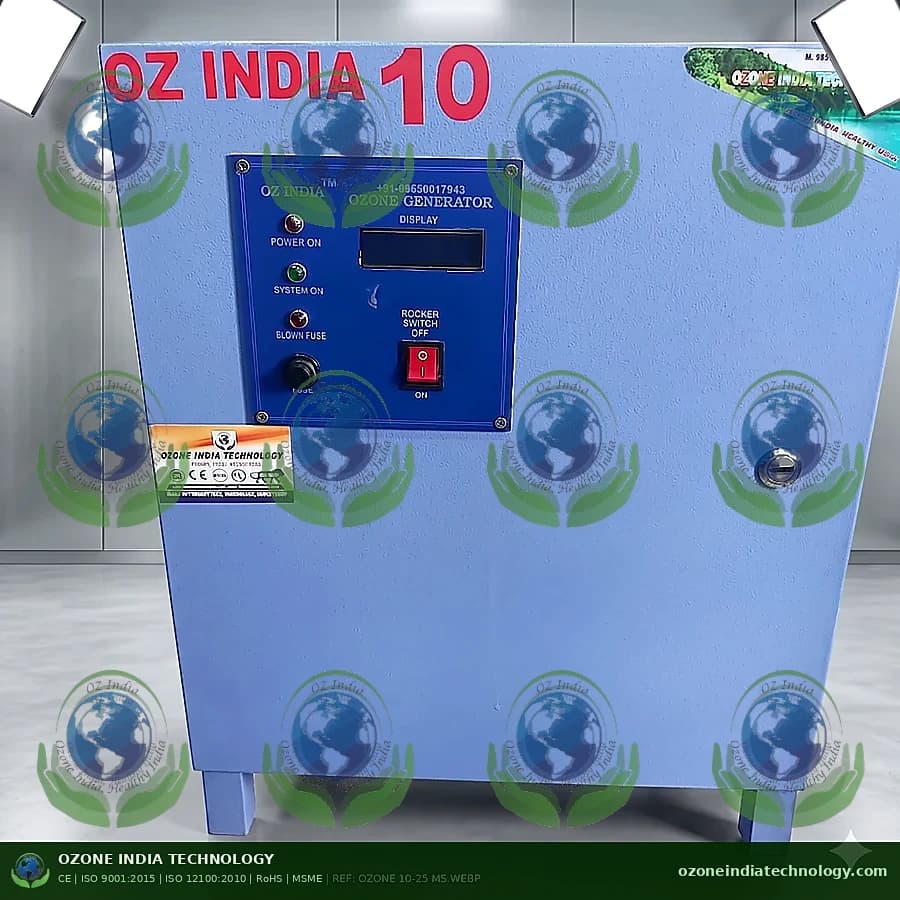
Ozone Generator — 25g/hr Industrial
Industrial 25g/hr ozone generator for medium STP ETP and water treatment plants up to 5 MLD
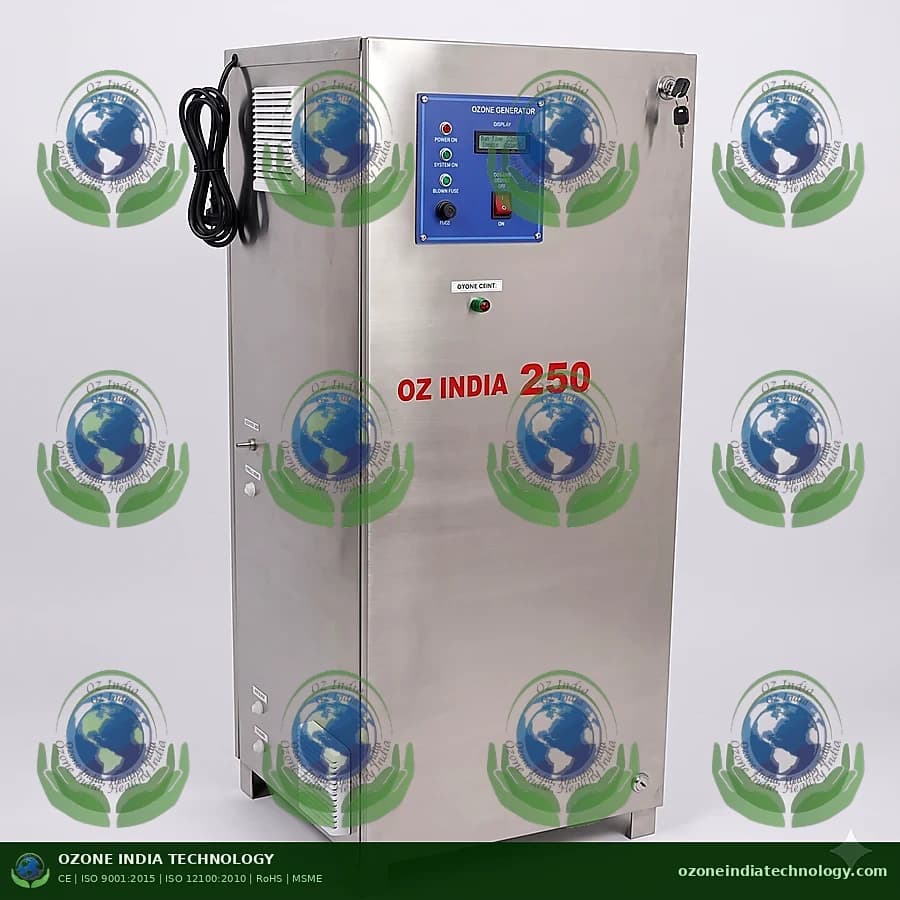
Ozone Generator — 100g/hr Large Scale
Large scale 100g/hr ozone generator for municipal STP WTP and major industrial ETP plants
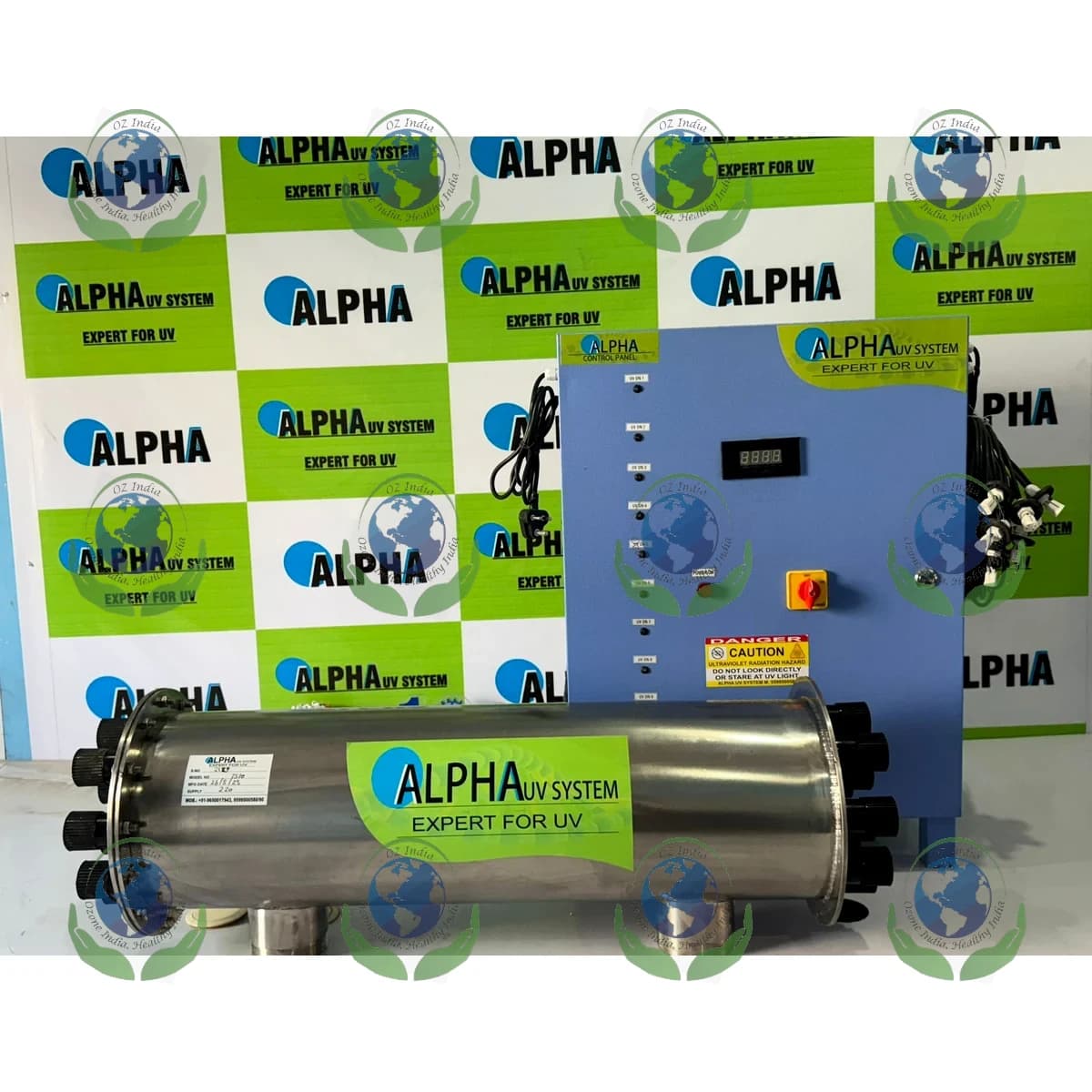
UV Municipal Series — 20000 to 200000 LPH
Large-scale municipal UV disinfection 20,000–2,00,000 LPH — amalgam lamp, open channel and closed vessel
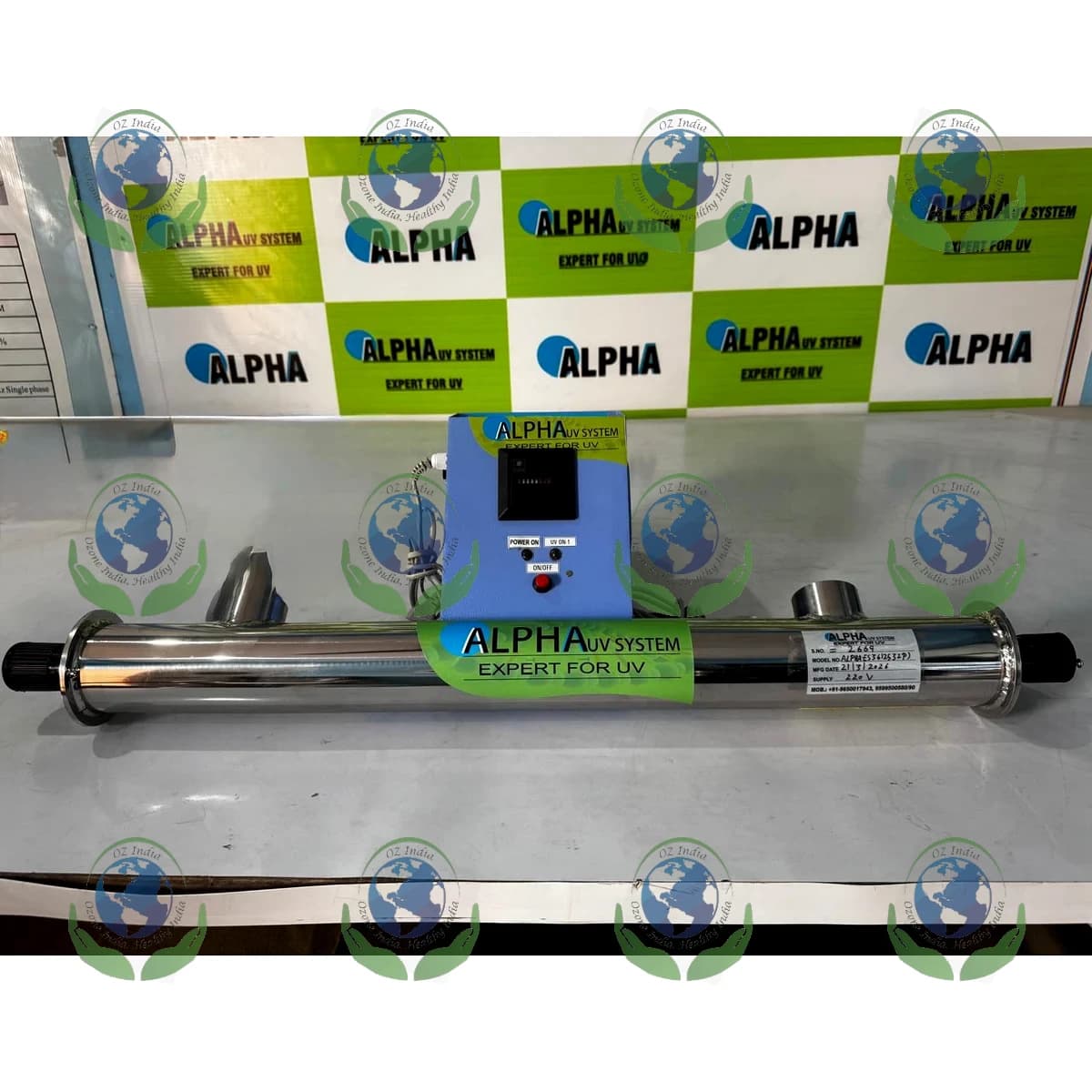
UV Compact Series — 100 to 2000 LPH
Compact inline UV water disinfection — 100 to 2000 LPH — SS304 chamber, OEM and commercial ready
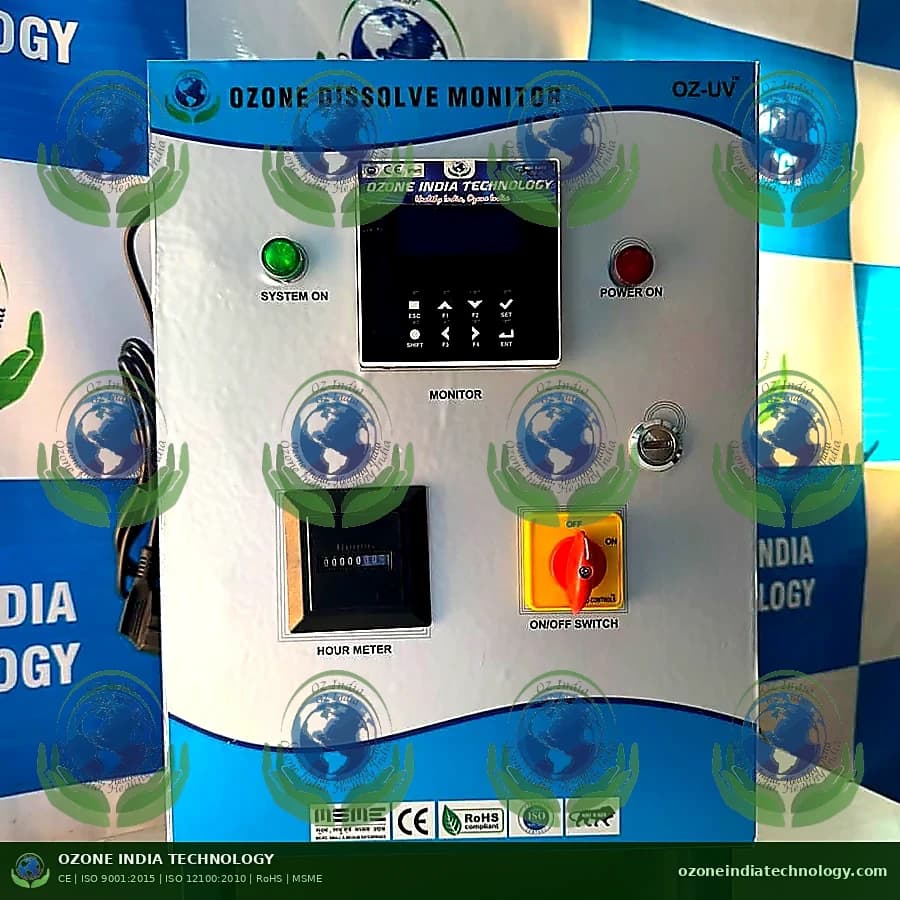
Ozone Dissolve Monitor with Contactor Support
In-line dissolved ozone monitor for water treatment process control with contactor support
SIZING GUIDE
Installation & Sizing Guide
Sizing an ozone water treatment plant begins with three raw water quality inputs: (a) maximum and average iron concentration (Fe²⁺, mg/L), (b) geosmin/2-MIB measured during taste-odour events (ng/L), and (c) TOC or UV₂₅₄ absorbance as a NOM indicator. From these, the pre-ozonation dose is determined: iron removal requires 0.43 mg O₃ per mg Fe²⁺ (stoichiometric) plus 0.3–0.5 mg/L residual; geosmin/MIB destruction requires 0.3–0.5 mg/L dose; NOM transformation requires 0.5–1.5 mg O₃/mg TOC. The total pre-ozonation dose is the highest of these requirements (they are concurrent, not additive in most cases). Ozone generator capacity (g/hr) = WTP design flow (m³/hr) × ozone dose (mg/L) × 1.25. For a 10 MLD WTP with 2 mg/L dissolved iron and seasonal geosmin at 50 ng/L: dose = 1.0 mg/L (iron dominates). Generator capacity = 417 × 1.0 × 1.25 = 521 g/hr → OZ India 400 g/hr–1 kg/hr system.
UV system sizing for the ozone water treatment plant final disinfection stage requires: WTP design flow (m³/hr), UV transmittance (UVT%) of the filtered water at 254 nm, and the target UV dose (40 mJ/cm² for primary disinfection achieving 4-log coliform inactivation and 3-log Giardia inactivation, per WHO 2017). UVT of conventional WTP filtered water ranges from 85–95% for surface water WTPs and 90–99% for groundwater WTPs. A lower UVT requires proportionally higher lamp power to deliver 40 mJ/cm². OZ India provides UV system sizing from a simple online calculator using WTP flow, UVT, and UV dose target — or from a detailed hydraulic design for large municipal WTPs. Contact OZ India with a copy of your WTP process design and filtered water quality data for a complete UV sizing report within 48 hours.
For WTPs upgrading from chlorine-only disinfection to ozone water treatment plant technology, the retrofit pathway is straightforward: the existing chlorination point (typically after filtration) becomes the ozone injection point, and the existing chlorine contact tank serves as the ozone contact chamber. Chlorination is retained post-ozone at a reduced dose of 0.3–0.5 mg/L chlorine residual for distribution system protection — reducing chlorine dose by 60–80% compared to chlorine-only treatment, and correspondingly reducing THM and HAA formation. The ozone generator skid (5 × 2 m footprint for systems up to 100 g/hr) typically fits within the existing WTP chlorination area without any civil expansion. OZ India provides a WTP retrofit assessment report — including equipment layout drawings, hydraulic calculations, and compliance analysis — within 2 weeks of site visit, at no cost for projects above ₹15 lakh.
Economic analysis for municipal WTP upgrade to ozone technology: capital cost ranges from ₹15 lakh (10 MLD WTP, 100 g/hr air-fed system) to ₹250 lakh (100 MLD WTP, 1 kg/hr oxygen-fed system). Annual electricity cost at ₹7/kWh: ₹3–40 lakh/year depending on system size. Annual lamp replacement (UV system): ₹1–5 lakh/year. Against these costs: reduced chlorine chemical procurement cost (60–80% reduction in chlorine purchase), reduced NDMA/THM regulatory risk (DBP formation reduced 40–70%), elimination of Cryptosporidium outbreak risk (one outbreak can cost a city ₹50–500 crore in health care, remediation, and legal liability), and improved consumer satisfaction with water quality (taste, odour, colour). For AMRUT 2.0 and Smart City projects, ozone water treatment plant technology qualifies under the 'water supply upgradation' funding category.
CASE STUDY
Iron Removal and Taste-Odour Control at 8 MLD Community WTP, Jharkhand
A 8 MLD WTP in Jharkhand's Dhanbad district drawing from a coal mining-area aquifer was serving a municipal population with water containing dissolved iron at 3.2 mg/L (BIS IS 10500 limit: 0.3 mg/L) and dissolved manganese at 0.45 mg/L (limit: 0.1 mg/L). Consumers reported severe metallic taste, orange staining of bathroom fittings, and recurrent gastrointestinal illness during monsoon months. Conventional aeration + sand filtration was achieving only 60% iron removal — insufficient for BIS compliance — and the municipality was facing legal action from a consumer forum.
OZ India Technology was engaged for a pre-ozonation retrofit to the existing WTP. An 80 g/hr ozone water treatment plant system was designed: oxygen-fed 80 g/hr ozone generator, Venturi injector upstream of the existing flocculation tank, dissolved ozone monitor, and catalytic off-gas destructor. The existing chlorine contact tank served as ozone contact chamber after baffling (HRT: 12 minutes). Installation was completed in 35 days without interrupting water supply. Post-commissioning water quality at the distribution boundary: dissolved iron <0.05 mg/L, dissolved manganese <0.01 mg/L, zero metallic taste complaints in consumer survey, coliform: absent.
The municipality documented a 72% reduction in consumer complaints in the 6 months following commissioning. Alum coagulant dose was reduced by 25% due to improved NOM transformation by pre-ozone. Chlorine dose reduced from 3.5 mg/L to 1.0 mg/L, reducing annual chlorine procurement cost by ₹8.4 lakh. The ozone water treatment plant system paid back its ₹28 lakh capital cost in 22 months from chlorine savings and reduced complaints-management costs alone, not counting the public health benefit from improved water quality.
FAQ
Frequently Asked Questions
What ozone dose removes iron and manganese in a water treatment plant?+
Iron removal requires 0.43 mg O₃ per mg Fe²⁺ stoichiometrically, plus a residual of 0.2–0.4 mg/L to ensure complete oxidation in the contact chamber. For 3 mg/L dissolved iron, a pre-ozonation dose of 1.5–2.0 mg/L is typical. Manganese oxidation requires 0.88 mg O₃ per mg Mn²⁺ at pH above 7.5; at lower pH (pH 6.5–7.0), the dose increases to 1.5 mg O₃/mg Mn²⁺. OZ India's ozone water treatment plant systems include automatic dose control that adjusts ozone production based on inlet flow — maintaining the precise dose regardless of WTP flow rate variation during demand cycles.
Can ozone water treatment plant remove Cryptosporidium from drinking water?+
Yes — ozone is highly effective against Cryptosporidium oocysts, which are resistant to chlorination at practical WTP doses. EPA (1999) Guidance Manual specifies CT = 10 mg/L·min for 2-log Cryptosporidium inactivation at 20°C. At a dissolved ozone concentration of 1 mg/L with 10-minute contact time, CT = 10 mg/L·min — achieving 2-log inactivation. For 3-log inactivation, CT = 15 mg/L·min. OZ India sizes ozone water treatment plant systems to achieve the required CT at minimum expected water temperature (typically 10–15°C in Indian rivers, which reduces ozone stability and requires conservative sizing).
Does the ozone water treatment plant create bromate in treated water?+
Bromate formation depends on source water bromide concentration. For most Indian surface water sources (Ganga, Yamuna, Narmada, Godavari, Krishna), bromide is typically 20–80 μg/L — at this level, bromate formation at standard WTP ozone doses (1–3 mg/L) is below 5 μg/L, well within WHO's 10 μg/L guideline. OZ India includes source water bromide analysis in every WTP pre-ozonation design study. For the rare cases where bromide exceeds 150 μg/L, the system design limits ozone dose and contact time to keep bromate below WHO guidance, supplementing with UV for primary disinfection.
How does the ozone water treatment plant compare to activated carbon for taste/odour removal?+
Ozone is more effective than granular activated carbon (GAC) for geosmin and 2-MIB removal — ozone at 0.3 mg/L destroys 95%+ of geosmin vs GAC achieving 50–80% removal depending on bed age and competitive adsorption. Ozone is also more cost-effective at scale: GAC requires replacement every 5–10 years at ₹50–200/kg, whereas ozone's operating cost is purely electricity. The optimal approach is ozone + BAC (biological activated carbon): ozone destroys geosmin/MIB while simultaneously transforming NOM into assimilable organic carbon that feeds the BAC biofilm, extending BAC filter life and producing the highest quality treated water.
What UV dose is required for a municipal WTP disinfection system?+
WHO (2017) and US EPA UV Guidance Manual (2006) recommend 40 mJ/cm² as the design UV dose for primary disinfection at municipal WTPs — achieving 4-log E. coli, 3-log Giardia, and 3-log Cryptosporidium inactivation. OZ India UV systems for WTP are validated at 40 mJ/cm² using MS2 bacteriophage bioassay at maximum design flow and minimum UVT — the two worst-case conditions. The UV dose validation report is provided with every OZ India WTP UV system, forming the basis for regulatory compliance documentation.
Can the ozone system be integrated with the existing WTP SCADA?+
Yes — OZ India ozone generators and UV systems for WTP provide Modbus RTU (RS-485) or Modbus TCP/IP (Ethernet) communication ports for SCADA integration. Parameters available for SCADA monitoring: ozone production (g/hr), ozone generator operating hours, dissolved ozone residual (mg/L), UV lamp intensity (%), UV dose achieved (mJ/cm²), system alarms and fault status, inlet flow (from flow meter 4–20 mA input). OZ India's applications engineers assist WTP SCADA integrators with register mapping and commissioning of the SCADA interface.
How often do UV lamps need replacement in a WTP UV system?+
OZ India UV systems use UV-C lamps with a rated output life of 8,000 hours — approximately 11 months at continuous 24×7 operation. Lamp output declines gradually; OZ India systems include a calibrated UV intensity sensor that continuously measures actual irradiance in the chamber, calculating the achieved UV dose in real-time. When lamp intensity drops below 70% of initial output (a configurable alarm threshold), the system alerts operators to schedule lamp replacement before dose drops below the validated 40 mJ/cm². OZ India stocks replacement UV lamps ex-Greater Noida for next-day delivery to any WTP in India.
RELATED
Related Applications
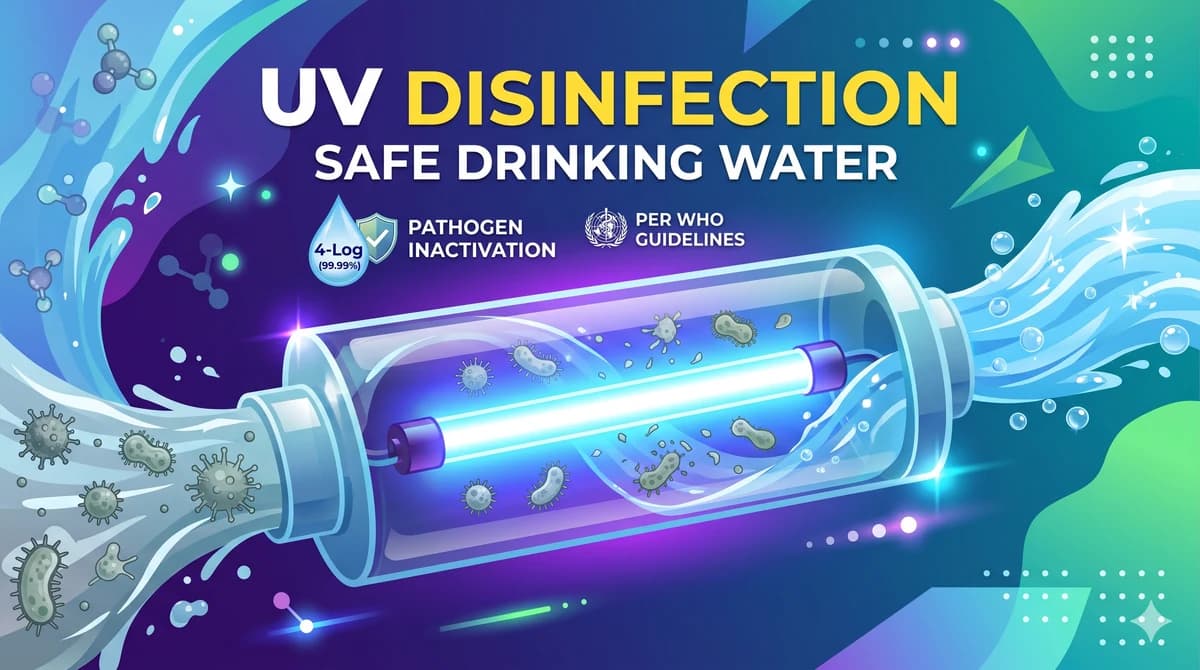
Drinking Water Treatment
IS:10500 compliant ozone and UV disinfection for bottled water, RO plants, and municipal drinking water
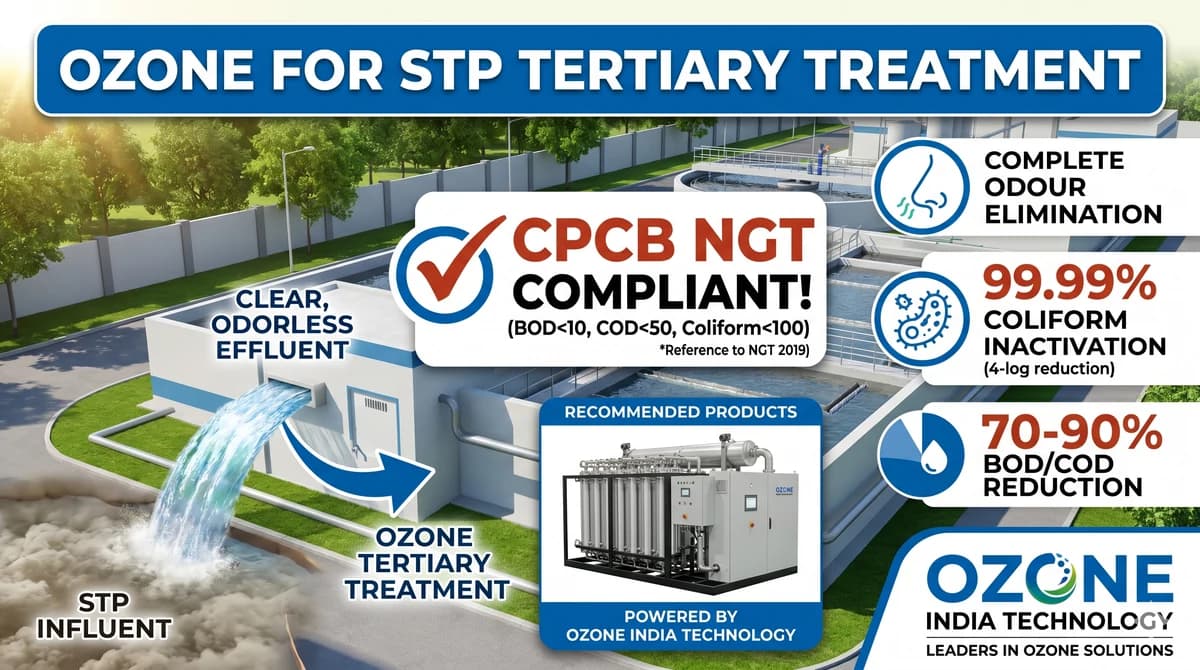
Sewage Treatment Plant (STP)
CPCB-compliant tertiary ozone disinfection — eliminating pathogens, BOD, and odour from STP effluent

Pharmaceutical Water Treatment
USP <1231> and WHO GMP compliant ozone and UV systems for purified water, WFI, and CIP loops