
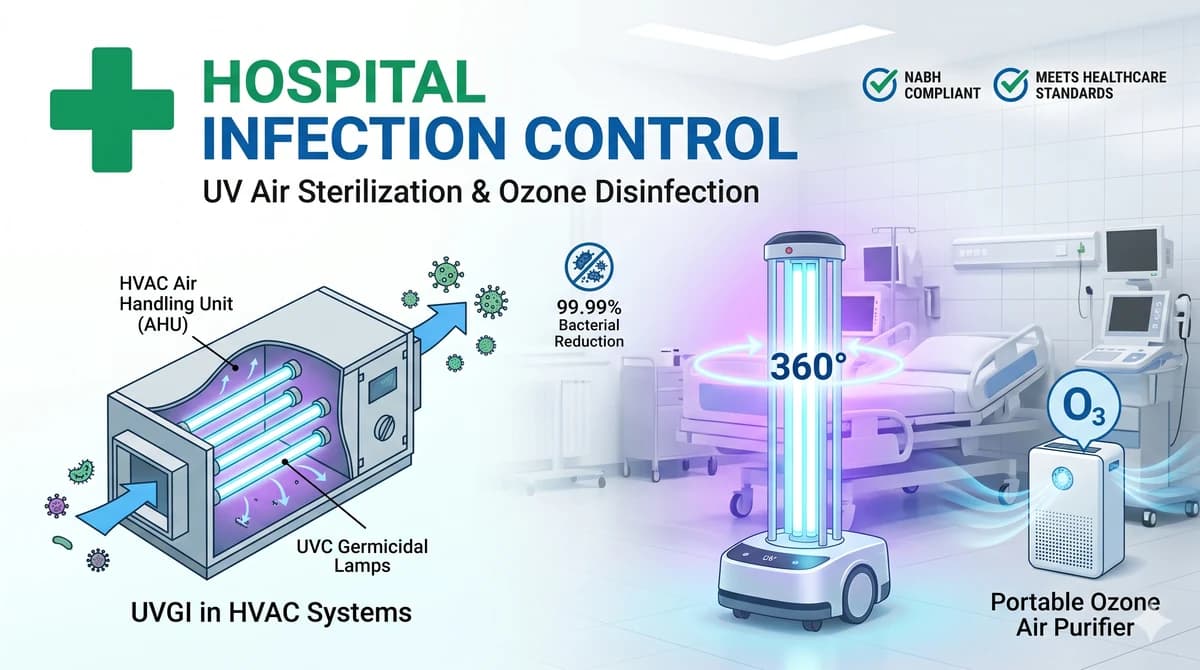
UV System in Hospital and Healthcare
NABH-aligned UV and ozone disinfection for hospital air, water, surfaces, and instrument sterilization
THE NEED
Why Hospital?
10%
of hospital patients acquire HAI globally (WHO)
MRSA
UV-C kills MRSA, C. diff, COVID-19 in <5 minutes
NABH
requires validated disinfection protocols
99.9999%
6-log kill of Mycobacterium TB with UV at 25 mJ/cm²
70%
HAI reduction with UVGI in operation theatres
Zero
antibiotic resistance — UV/ozone is non-chemical
OVERVIEW
What is Hospital?
Ozone disinfection for hospitals addresses one of global healthcare's most costly and deadly challenges: Healthcare-Associated Infections (HAIs). The WHO (2016) Guidelines on core components of infection prevention and control programmes estimate that at any given time, 7% of patients in developed countries and 10% in developing countries are affected by at least one HAI — making hospitals demonstrably more dangerous than the environments they treat. In India, where NABH accreditation now requires documented environmental decontamination protocols and the Ministry of Health and Family Welfare's Biomedical Waste Management Rules 2016 mandate treatment of all liquid biomedical waste, ozone disinfection for hospitals provides a scientifically validated, regulatory-compliant solution to pathogen elimination that conventional chemical methods are failing to achieve.
The HAI pathogen landscape in Indian hospitals is dominated by MDR (Multi-Drug Resistant) organisms that are effectively untreatable with most available antibiotics. MRSA (Methicillin-Resistant Staphylococcus aureus), VRE (Vancomycin-Resistant Enterococcus), Carbapenem-Resistant Klebsiella pneumoniae (CRKP), Clostridioides difficile (C. diff), and MDR-TB — all endemic in Indian tertiary care hospitals including AIIMS Delhi, Apollo Group facilities, and Fortis Hospital network — persist on environmental surfaces for hours to weeks after infected patient contact. Otter et al. (2016) demonstrated in the American Journal of Infection Control that contaminated surfaces serve as transmission vectors for 20–30% of all HAI transmission events, and that standard manual cleaning reduces surface contamination by only 50–60% — leaving a substantial reservoir for ongoing transmission. Ozone disinfection for hospitals, deployed as terminal room decontamination following patient discharge, achieves 6-log (99.9999%) surface pathogen reduction including C. diff spores — a target no chemical fogging agent consistently achieves.
The COVID-19 pandemic created unprecedented institutional momentum for ozone disinfection for hospitals across India. Hospitals including AIIMS Rishikesh, Narayana Health Bangalore, and Medanta Gurugram deployed ozone fogging systems for decontamination of ICUs, isolation wards, operation theatres, and COVID-19 wards during 2020–2022, generating extensive clinical experience with the technology. ICMR (2021) Guidelines for prevention and control of healthcare-associated infections specifically reference ozone fogging as an emerging high-level decontamination technology alongside UV-C irradiation, noting that both technologies achieve superior surface pathogen reduction compared to chemical fogging with quaternary ammonium compounds or chlorine-based agents. Rutala and Weber (2019) reviewed ozone in their authoritative Infection Control & Hospital Epidemiology analysis, classifying gaseous ozone at >10 ppm as a high-level disinfection technology capable of sporicidal activity.
UV disinfection for hospital air and surfaces is the complementary technology to ozone in the hospital infection control toolkit. UVGI (Ultraviolet Germicidal Irradiation) systems — including OZ India's UVGI AHU Disinfection System and UV Tower Mobile 360 — work by delivering 254 nm UV-C radiation that damages bacterial and viral DNA, preventing replication. Unlike ozone, UV-C acts by line-of-sight irradiation and is most effective in air handling units (AHUs), HVAC ducts, and open room applications where line-of-sight to all surfaces is achievable. OZ India's integrated approach to ozone disinfection for hospitals combines ozone fogging for terminal room decontamination (full surface and air contact) with continuous UVGI for ongoing airborne pathogen reduction in OTs, ICUs, and isolation rooms — creating a multi-barrier infection prevention strategy endorsed by the WHO's Five Moments for Hand Hygiene framework (WHO, 2006).
Liquid biomedical waste from hospitals — including wastewater from operation theatres, ICU drainage, laboratory waste, autopsy room effluent, and pharmaceutical preparation area rinse water — contains extraordinarily high concentrations of pathogenic microorganisms and antibiotic residues. The MoHFW Biomedical Waste Management Rules 2016 require hospitals above 30-bed capacity to install and operate effluent treatment systems meeting microbial and chemical discharge standards before discharge to municipal sewers. Ozone disinfection for hospitals in wastewater applications achieves 6-log coliform inactivation, eliminates antibiotic residues (penicillin, ciprofloxacin, metronidazole detected in untreated hospital effluent), and reduces BOD to levels meeting CPCB General Standards — all without generating the toxic disinfection byproducts (chloramines, THMs) associated with chlorine-based hospital wastewater treatment.
THE SCIENCE
How Ozone & UV Work in Hospital
Ozone disinfection for hospitals in room decontamination applications uses a mobile or fixed ozone generator to fill the target space — an isolation room, ICU bay, operating theatre, or entire ward — with ozone gas at a concentration of 10–25 ppm, maintained for a contact time of 60–120 minutes to achieve sporicidal efficacy against C. diff, MRSA, and VRE. The OZ India mobile ozone disinfection unit generates ozone from room air using corona discharge technology, delivering 5–10g/hr of ozone gas. The unit is placed centrally in the room, doors and HVAC vents are sealed, and ozone concentration builds up to the target level — typically 10–15 ppm — within 15–30 minutes depending on room volume. A built-in ozone concentration timer controls the exposure period, after which the room is ventilated to below 0.1 ppm before re-entry.
The sporicidal efficacy of ozone disinfection for hospitals is achieved through a combination of direct ozone oxidation and hydroxyl radical generation in the presence of humidity. Clostridioides difficile spores — among the most resistant environmental pathogens, surviving standard quaternary ammonium disinfection — are inactivated by ozone through oxidation of spore coat proteins and disruption of the dipicolinic acid complex that confers heat and chemical resistance. Research cited by Rutala and Weber (2019) demonstrates 6-log C. diff spore reduction at ozone concentrations of 25 ppm for 60 minutes in rooms with >60% relative humidity — conditions that OZ India's hospital ozone system achieves through an integrated humidifier that raises room RH to 70–80% before and during ozone exposure. High humidity dramatically increases ozone's penetration into spore surface structures, converting the gas-phase disinfection to near-sporicidal efficiency.
UVGI — Ultraviolet Germicidal Irradiation — as a complement to ozone disinfection for hospitals works through a fundamentally different mechanism: UV-C photons at 254 nm are absorbed by pyrimidine bases in bacterial and viral nucleic acids, forming cyclobutane pyrimidine dimers that prevent DNA replication and transcription, killing the organism without chemicals. In AHU applications (OZ India UVGI AHU Disinfection System), UV-C lamps installed in the air handling unit coil section irradiate every air molecule passing through the unit — achieving 3–6 log reduction of airborne MRSA, influenza, Aspergillus, and Mycobacterium tuberculosis in every air change cycle. In operating theatres, continuous UVGI in the AHU maintains supply air at sterility levels below 10 CFU/m³ — meeting NABH OT air quality requirements.
Ozone disinfection for hospitals in liquid biomedical waste applications uses an ozone generator sized for the hospital's daily wastewater volume (typically 500–2,000 litres/bed/day for a 100–500 bed facility). The ozone is introduced via a Venturi injector into the collection tank receiving OT, ICU, and laboratory drainage. An ozone dose of 5–10 mg/L with 30 minutes contact time achieves 6-log coliform reduction, destroys antibiotic residues at >95% efficiency (ciprofloxacin, amoxicillin, metronidazole), and reduces BOD from 400–800 mg/L (typical hospital effluent) to below 100 mg/L — meeting MoHFW Biomedical Waste Management Rules 2016 discharge standards. The OZ India dissolved ozone monitor continuously verifies the applied dose, with automatic alarm if dose falls below the minimum effective level.
Ozone monitoring and safety during ozone disinfection for hospitals is non-negotiable in occupied healthcare environments. OZ India's ozone ambient air monitor is installed at the hospital nurses station (or security checkpoint) as a sentinel monitor alerting if ozone levels in occupied areas approach 0.05 ppm (OSHA action level). The room decontamination protocol includes a mandatory ozone clearance verification step — using a portable ozone monitor — before any personnel re-enter the decontaminated room. The OZ India hospital ozone system integrates with the hospital's fire alarm and HVAC control system to prevent accidental ozone release into occupied zones. All hospital staff operating the ozone system receive a 4-hour training programme on safe operation, emergency procedures, and documentation requirements for NABH infection control records.
THE SOLUTION
Ozone India Technology Solution
OZ India Technology provides a comprehensive ozone disinfection for hospitals programme covering all three application domains: terminal room decontamination (ozone fogging), continuous air disinfection (UVGI AHU and UV Tower systems), and liquid biomedical waste treatment (ozone contactor system). Our hospital infection control package is co-designed with hospital infection control officers (ICOs), facility managers, and biomedical engineers to integrate with existing NABH-compliant infection prevention protocols. Equipment selection, room decontamination protocol design, staff training, and documentation templates are included in our hospital project delivery — ensuring that the NABH accreditation assessor finds a complete, documented infection control programme, not just equipment.
For terminal room decontamination as part of ozone disinfection for hospitals, OZ India supplies the Mobile Ozone Disinfection Unit — a wheeled, self-contained system with built-in ozone generator (5g/hr), humidifier, ozone concentration timer, and ambient monitor interlock. The unit is designed for single-operator deployment: place in the room, set exposure time, seal the room, and the system executes the full decontamination cycle automatically. The cycle log (time, peak ozone concentration, exposure duration) is printed on-board and filed in the ward's infection control record. For operating theatres and ICUs requiring continuous decontamination between cases, the OZ India UVGI AHU system is permanently installed in the facility's HVAC system — providing 24/7 air disinfection without operational involvement by nursing or housekeeping staff.
OZ India's hospital liquid biomedical waste ozone system — sized for 100–500 bed hospitals — is a compact, skid-mounted unit comprising an ozone generator (10–25g/hr), Venturi injector assembly, ozone contact tank with baffle system for 30-minute HRT, dissolved ozone monitor with automatic dose control, and an ozone destructor for safe off-gas treatment. The system complies with MoHFW Biomedical Waste Management Rules 2016 for liquid waste treatment and provides complete CPCB-format monitoring data for hospital compliance records. Operating cost at ₹3–6 per bed-day is substantially below the cost of chemical treatment alternatives and legal non-compliance penalties (₹5 lakh/incident under MoHFW rules).
OZ India serves hospitals across India's major healthcare hubs — Delhi NCR, Mumbai, Chennai, Hyderabad, Bengaluru, Pune, Ahmedabad, Kolkata, and Lucknow — with direct sales engineering and post-commissioning support. Our hospital references include government tertiary hospitals, private hospital chains, and NABH-accredited specialty facilities. For hospital groups implementing ozone disinfection for hospitals across multiple facilities, OZ India provides a standardised multi-site implementation package with centralised training, uniform documentation templates, and a national service network for AMC support. Group purchasing agreements with 20% pricing advantage are available for hospital chains with five or more facilities.
PERFORMANCE
Without vs With OZ India Treatment
| Parameter | Without Treatment | With OZ India System |
|---|---|---|
| MRSA surface reduction (terminal decontamination) | 50–60% (manual chemical cleaning) | 99.9999% (6-log reduction, ozone fogging) |
| C. difficile spore inactivation | Not achieved by quaternary ammonium | 6-log at 15 ppm, 90 min, 70% RH |
| Airborne pathogen load in OT (CFU/m³) | 30–60 CFU/m³ (standard HVAC) | <5 CFU/m³ (UVGI AHU installed) |
| HAI transmission from contaminated surfaces | 20–30% of all HAI events (Otter et al., 2016) | Substantially reduced via whole-room ozone contact |
| Biomedical wastewater coliform (MPN/100mL) | 10⁶–10⁸ MPN/100mL (untreated) | <10 MPN/100mL (ozone treated) |
| Antibiotic residues in hospital effluent | Ciprofloxacin, amoxicillin detected | >95% removal by ozone oxidation |
| Infection control documentation for NABH | Manual logs, difficult to audit | Automated cycle records, NABH-formatted reports |
| Operational cost per decontamination cycle (room) | ₹150–400 (chemical fogging agents) | ₹30–60 (ozone: electricity + consumables only) |
PERFORMANCE DATA
Technical Performance Data
Reference data for ozone treatment system design and validation — applicable to Hospital applications. All data per standard water treatment engineering practice (AWWA, WHO, CPCB guidelines).
Pathogen Log Inactivation at 3 mg/L Ozone (CT = 45 mg·min/L)
BOD Reduction (%) vs Ozone Dose — Typical STP/ETP Secondary Effluent
E. coli Log Inactivation vs Contact Time at 3 mg/L Ozone
System Sizing Guide — Plant Flow Rate vs Ozone Generator Capacity
RECOMMENDED EQUIPMENT
Products for Hospital
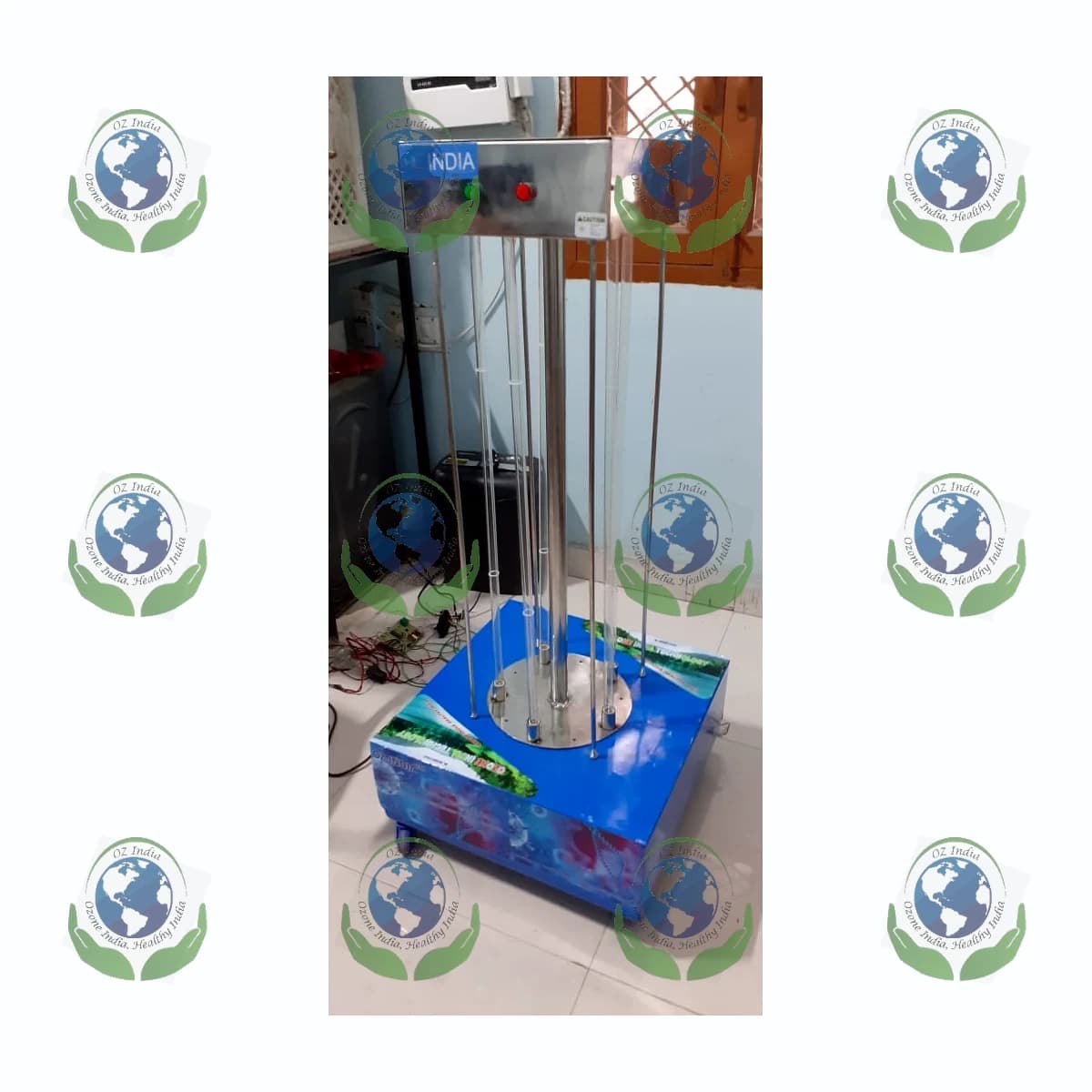
UV Tower Mobile 360 Disinfection
Mobile 360 degree UV tower for rapid terminal disinfection of hospital wards and isolation rooms
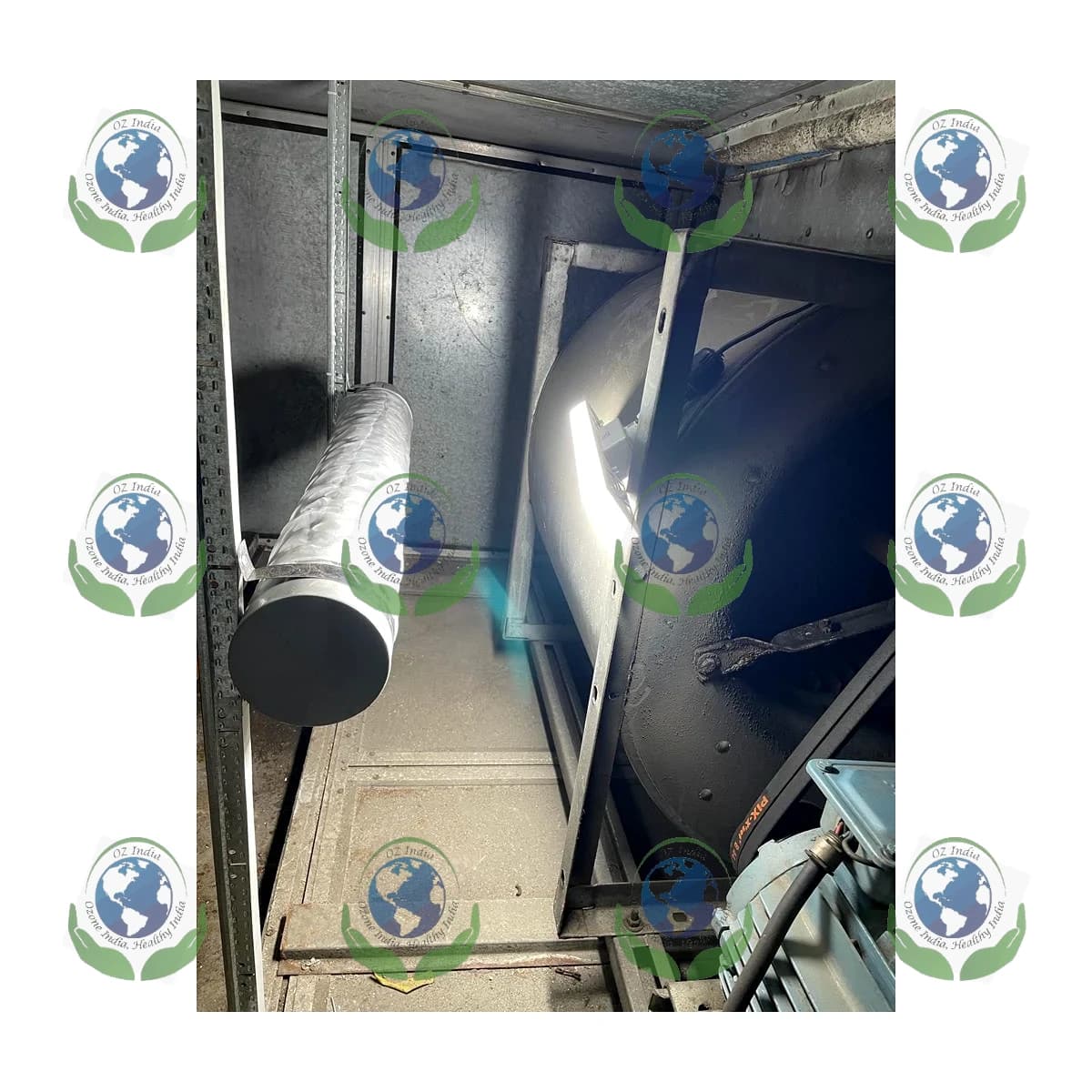
UVGI AHU Disinfection System
UVGI UV germicidal irradiation system for AHU HVAC in-duct disinfection in hospitals and data centres
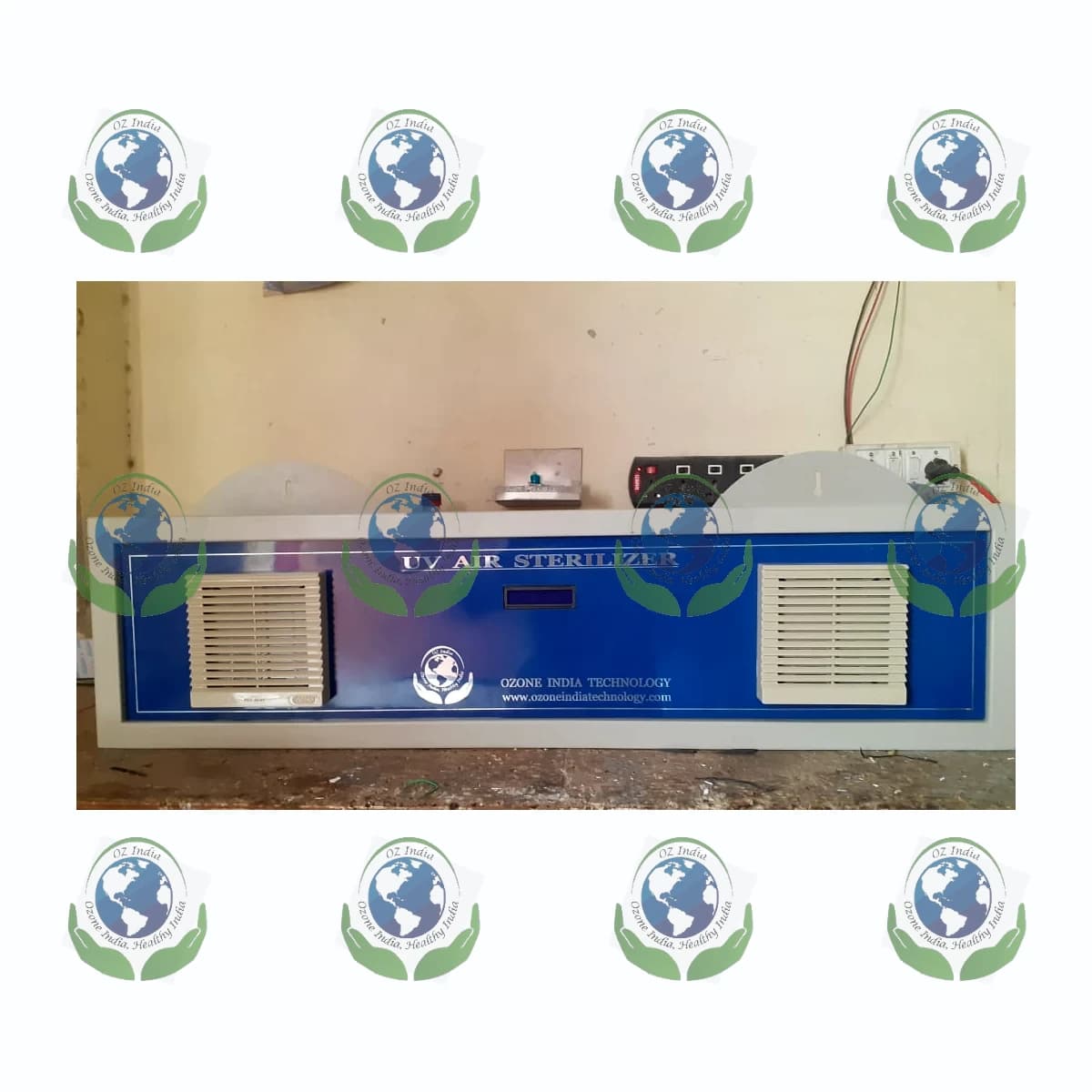
UV Air Disinfection System
In-duct UV air disinfection system for hospitals clean rooms laboratories and commercial buildings
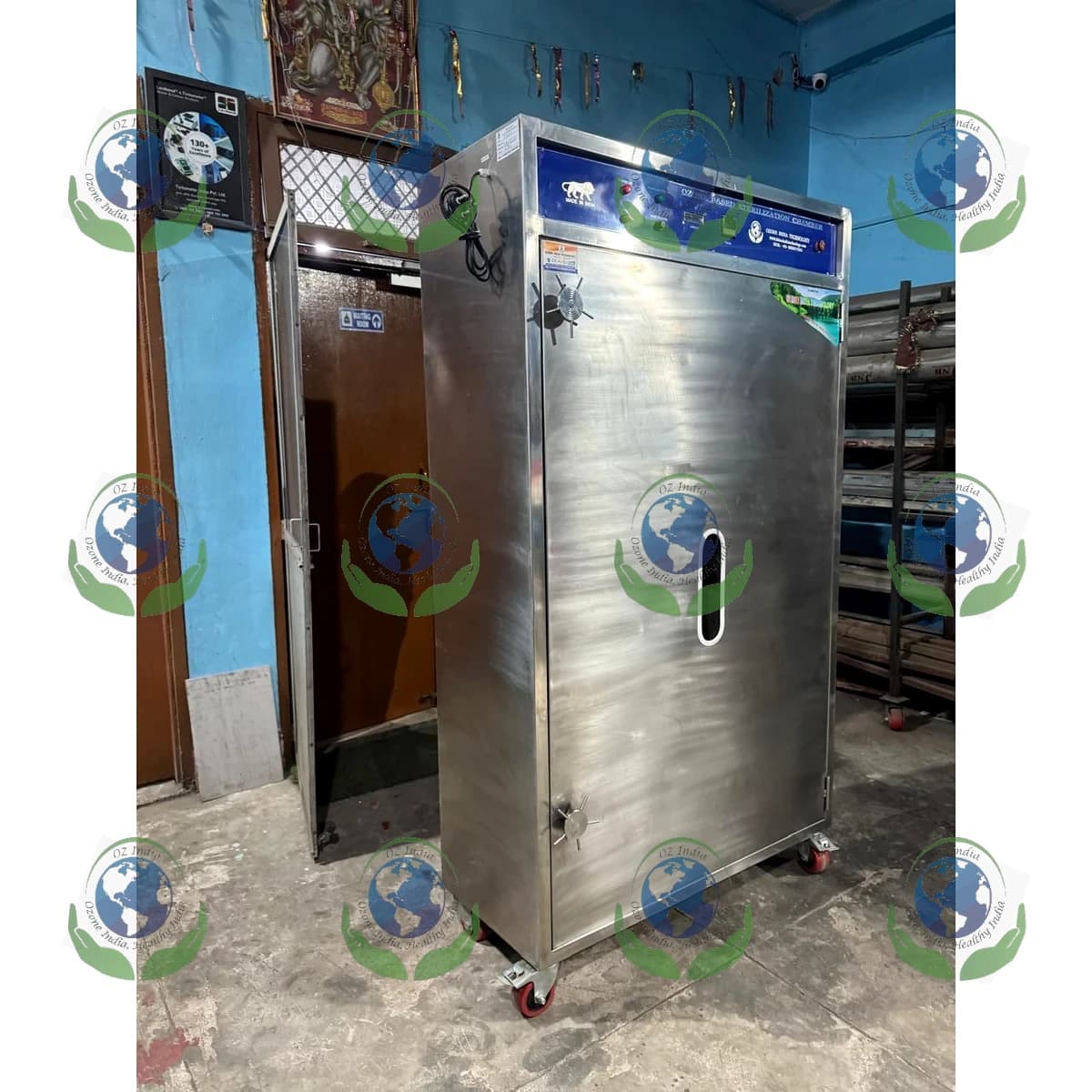
UV Ozone Sterilization Chamber
Combined UV-C and ozone sterilization chamber for tools, instruments, and packaged goods
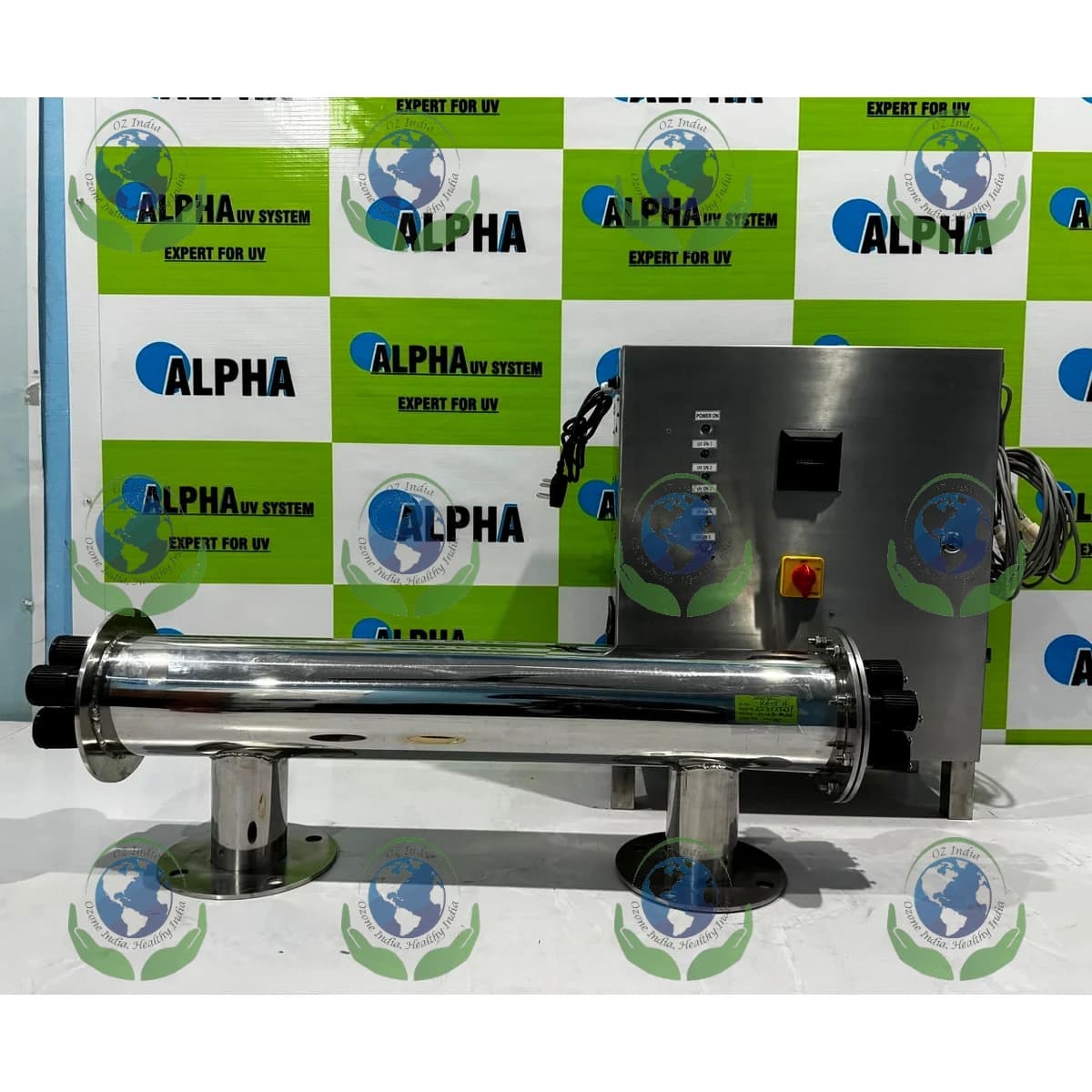
UV Pharma Series — Purified & Ultrapure Water
TOC reduction and bioburden control UV systems for pharma purified water — USP, EP, WHO GMP compliant
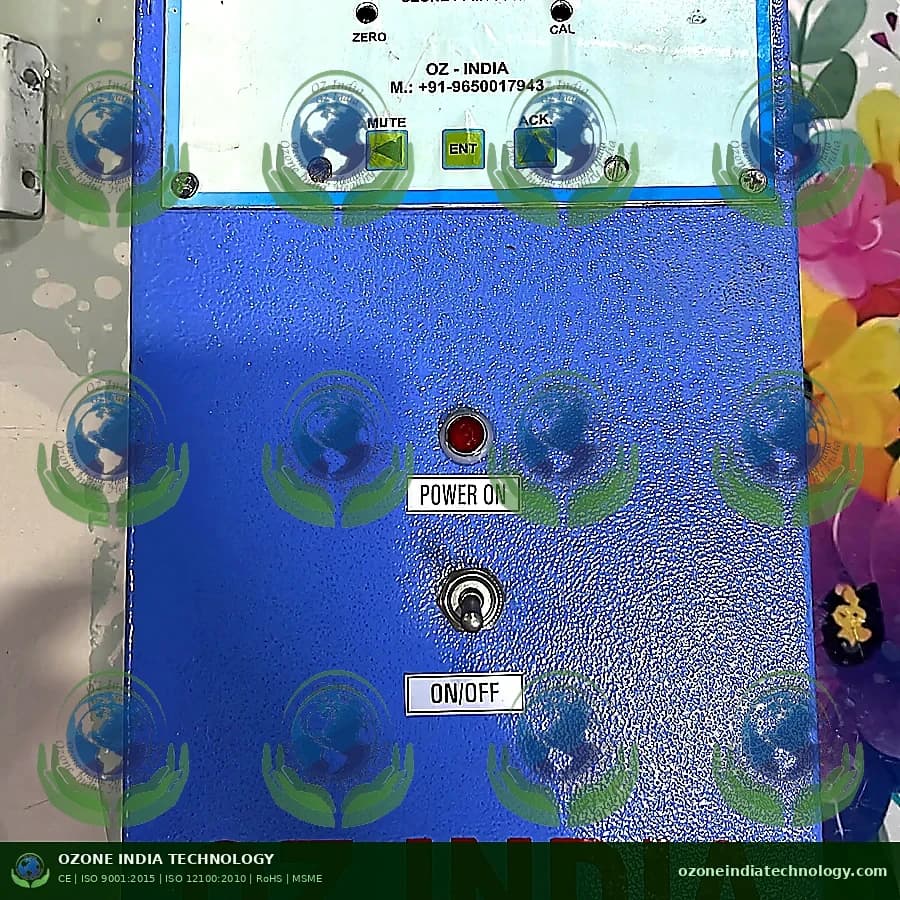
Ozone Ambient Air Monitor
Real-time ozone air monitoring with Delta PLC, HMI touchscreen & USB data logging
SIZING GUIDE
Installation & Sizing Guide
Sizing ozone disinfection for hospitals room decontamination begins with room volume (length × width × height in cubic metres). Target ozone concentration for sporicidal efficacy (C. diff, MRSA): 10 ppm maintained for 60–90 minutes. Ozone generator output required: Room volume (m³) × 10 ppm (mg/m³) ÷ Build-up time (min) × 60 × Ozone decay factor (1.3) ÷ 1000 = grams/hour. For a standard isolation room of 30 m³ and 20-minute build-up target: 30 × 10 × 60/20 × 1.3 / 1000 ≈ 12g/hr. OZ India's Mobile Ozone Disinfection Unit (5g/hr) is appropriate for rooms up to 20 m³ (single-bed isolation rooms, bathrooms); the 10g/hr unit covers standard ward rooms and small ICU bays; the 25g/hr unit is specified for operating theatres (60–120 m³) and large ward spaces.
UVGI AHU system sizing for ozone disinfection for hospitals requires calculation of the air volume flow rate through the AHU (m³/hr), the target UV dose (mJ/cm²) for the target organism, and the UV transmittance of the airstream. For MDR-TB inactivation (3-log reduction), the required UV dose at 254 nm is 6–10 mJ/cm² — achievable with 40W UV-C lamps in a coil section with 2-second residence time at typical AHU velocities. For Aspergillus spore reduction (important in haematology/oncology wards), 40–80 mJ/cm² is required. OZ India sizes UVGI AHU systems from AHU airflow data provided by the hospital's HVAC engineer, with lamp arrays designed to achieve the target dose across the full AHU cross-sectional area at maximum and minimum airflow conditions.
Hospital liquid biomedical waste ozone system sizing uses the formula: Generator capacity (g/hr) = Average daily wastewater volume (m³/day) × Ozone dose (mg/L) ÷ Operating hours ÷ 1000. For a 200-bed hospital generating 200 m³/day of wastewater at 10 mg/L ozone dose and 16 hours/day operation: 200 × 10 ÷ 16 ÷ 1000 = 12.5 g/hr generator minimum. Apply 1.5 safety factor for peak flow periods: 19g/hr — specify OZ India 10-25g/hr Industrial Ozone Generator. Contact tank volume: Flow rate (m³/hr) × 30 min HRT: 12.5 m³/hr × 0.5 hr = 6.25 m³. OZ India provides complete system engineering drawings and equipment list for MoHFW hospital installation permits as part of our hospital project package.
Ozone disinfection for hospitals requires careful operational planning to manage the tension between decontamination efficacy (high ozone concentration) and staff safety (no ozone in occupied areas). OZ India recommends a hospital-specific ozone management plan that covers: scheduled decontamination windows (typically 10 PM to 6 AM for ward rooms, between surgical cases for OTs), ozone monitor placement strategy, ventilation protocol for ozone clearance verification, and staff refresher training every 6 months. For ICUs where rooms are continuously occupied, the UVGI AHU approach is used for ongoing air disinfection, with ozone fogging reserved for deep decontamination during planned 4–6 hour patient relocation events, which Indian hospitals are now routinely planning as part of NABH-mandated infection control bundles.
CASE STUDY
HAI Rate Reduction at 350-Bed Private Hospital, Delhi NCR
A 350-bed private hospital in Delhi NCR — NABH accredited, with active ICU (40 beds) and orthopaedic surgery programme (12 OTs) — recorded a Surgical Site Infection (SSI) rate of 4.2% and a CLABSI (Central Line-Associated Blood Stream Infection) rate of 3.1 per 1,000 catheter-days in its 2023 infection control audit. Both rates exceeded NABH benchmark targets (SSI <2%, CLABSI <1.5/1,000 catheter-days), and microbiological surface sampling found MRSA on 28% of sampled high-touch surfaces in the ICU despite twice-daily chemical cleaning. The infection control committee identified inadequate terminal room decontamination and contaminated AHU coils as contributing factors.
OZ India Technology deployed ozone disinfection for hospitals across two components: Mobile Ozone Disinfection Units (10g/hr, four units) for nightly terminal decontamination of all ICU bays following shift change, and UVGI AHU Disinfection Systems across all 12 OT air handling units. ICU mobile ozone decontamination protocol: 10 ppm for 90 minutes, humidity maintained at 75% RH, mandatory ozone clearance verification before re-entry. OT UVGI: 40W UV-C lamp arrays achieving 25 mJ/cm² dose per AHU air pass, reducing airborne colony count from 35 CFU/m³ to <5 CFU/m³ in post-installation air sampling.
Six-month post-implementation infection control audit results: SSI rate reduced from 4.2% to 1.8% — below NABH benchmark. CLABSI rate reduced from 3.1 to 0.9 per 1,000 catheter-days. MRSA surface positivity in ICU reduced from 28% to 3% (routine environmental sampling). The hospital's infection control officer reported zero HAI outbreaks requiring ward closure in the 6 months following implementation, compared to two outbreak events requiring ward closure in the prior 6-month period. The hospital documented the ozone disinfection for hospitals programme as a specific NABH accreditation improvement initiative in its 2024 renewal submission, receiving assessor commendation for the data-driven infection control approach.
FAQ
Frequently Asked Questions
Is ozone disinfection for hospitals safe for patients who cannot be moved?+
No — ozone disinfection for hospitals in fogging/room decontamination mode requires the space to be unoccupied for the duration of the ozone exposure and clearance period (typically 3–4 hours total). Ozone at 10–25 ppm is hazardous to respiratory health and must not contact patients, staff, or sensitive medical equipment. OZ India's hospital ozone management plan includes protocols for scheduled decontamination of vacant rooms only, with clearance verification before re-entry. For spaces that cannot be vacated (ICUs), continuous UVGI AHU systems provide ongoing air disinfection without evacuation requirements — OZ India designs both technologies as complementary elements of the hospital infection control programme.
Does ozone disinfection for hospitals damage medical equipment or surfaces?+
High ozone concentrations (>10 ppm) can degrade certain rubber and elastomeric materials over repeated exposure — including natural rubber tubing, PVC connectors, and some equipment gaskets. OZ India's hospital ozone protocol specifies removal or covering of ozone-sensitive equipment (anaesthesia machines, ventilators with rubber breathing circuits, latex products) before room decontamination cycles. Modern hospital equipment with silicone or PVDF seals is generally ozone-resistant at exposure levels used for decontamination. OZ India provides a specific equipment compatibility checklist — developed from our hospital installation experience — to the hospital's infection control and biomedical engineering teams before commissioning.
How does ozone disinfection for hospitals compare to UV-C mobile disinfection robots?+
Both technologies achieve high-level surface and air disinfection but operate differently. UV-C robots (line-of-sight only) miss surfaces in shadows, under beds, and inside drawers — areas where HAI pathogens are most likely to reside post-patient discharge. Ozone disinfection for hospitals is a gas that penetrates all accessible spaces equally — including under furniture, inside cabinet interiors, drain traps, and wall-mounted equipment — achieving whole-room surface contact that line-of-sight UV cannot. Rutala and Weber (2019) noted that ozone achieves more complete room coverage than UV for terminal decontamination. Cost comparison: OZ India mobile ozone unit (₹3–5 lakh) vs. UV-C robot (₹40–80 lakh) — ozone provides superior coverage at one-tenth the investment.
What NABH requirements does ozone disinfection for hospitals help fulfil?+
NABH accreditation standards (HIC — Healthcare Infection Control chapter) require: documented terminal disinfection protocols for isolation rooms and high-risk areas (HIC.4); environmental microbiological monitoring with defined alert levels (HIC.5); validated decontamination methods for high-touch surfaces (HIC.6); and documented infection control audit trail (HIC.7). OZ India's hospital ozone disinfection programme provides: a written standard operating procedure for ozone room decontamination (per HIC.4 and 6), cycle documentation sheets for HIC audit trail (HIC.7), environmental sampling protocol and post-decontamination verification (HIC.5), and staff training records. Our documentation templates are specifically formatted for NABH assessor review.
What is the effective contact time and concentration for C. difficile spore inactivation?+
Published research (Rutala and Weber 2019; multiple peer-reviewed sources) establishes that Clostridioides difficile spore inactivation to 6-log reduction requires ozone at 10–25 ppm concentration with 60–90 minutes exposure at relative humidity >60%. Lower concentrations (5 ppm) extend contact time requirement to 180 minutes without certainty of sporicidal efficacy. OZ India's hospital protocol targets 15 ppm for 90 minutes at 70% RH — a conservative setpoint that ensures C. diff sporicidal activity even in rooms with high initial bioburden. Post-decontamination surface sampling is recommended quarterly for ICU bays and monthly during outbreak situations, with results compared against NABH alert limits.
How does ozone disinfect hospital wastewater and meet Biomedical Waste Management Rules 2016?+
MoHFW Biomedical Waste Management Rules 2016 require liquid biomedical waste from healthcare facilities to be disinfected to a coliform concentration below 100 MPN/100mL before discharge to municipal drains. Ozone for hospital wastewater at 5–10 mg/L with 30-minute contact time achieves coliform reduction to <10 MPN/100mL — exceeding the regulatory requirement with margin. OZ India's hospital wastewater ozone system includes a dissolved ozone monitor with automatic alarm if dose falls below the effective level, and generates a compliance report log downloadable as CSV for submission to the State Pollution Control Board and NABH environmental management records.
What is the return on investment for ozone disinfection for hospitals?+
The economic case for ozone disinfection for hospitals is compelling when HAI costs are quantified. A single HAI in India incurs ₹80,000–3,00,000 in additional treatment cost, extended stay, and potential medico-legal liability. For a 350-bed hospital with 4% SSI rate (14 SSIs per quarter), reducing SSI to 2% (7 SSIs) saves ₹5–21 lakh per quarter — ₹20–84 lakh annualised. OZ India's complete hospital ozone and UVGI programme for a 350-bed facility is priced at ₹18–25 lakh capital cost with ₹2–4 lakh annual AMC — yielding full ROI within 3–6 months based on documented HAI reduction outcomes from our hospital installations.
RELATED
Related Applications
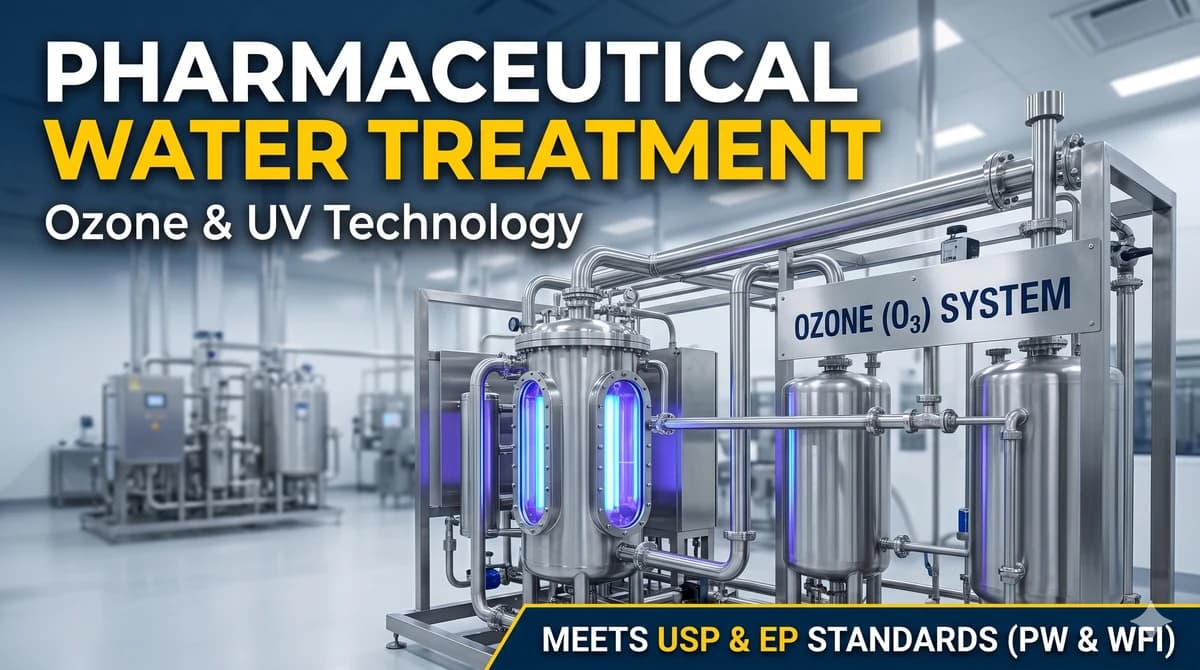
Pharmaceutical Water Treatment
USP <1231> and WHO GMP compliant ozone and UV systems for purified water, WFI, and CIP loops
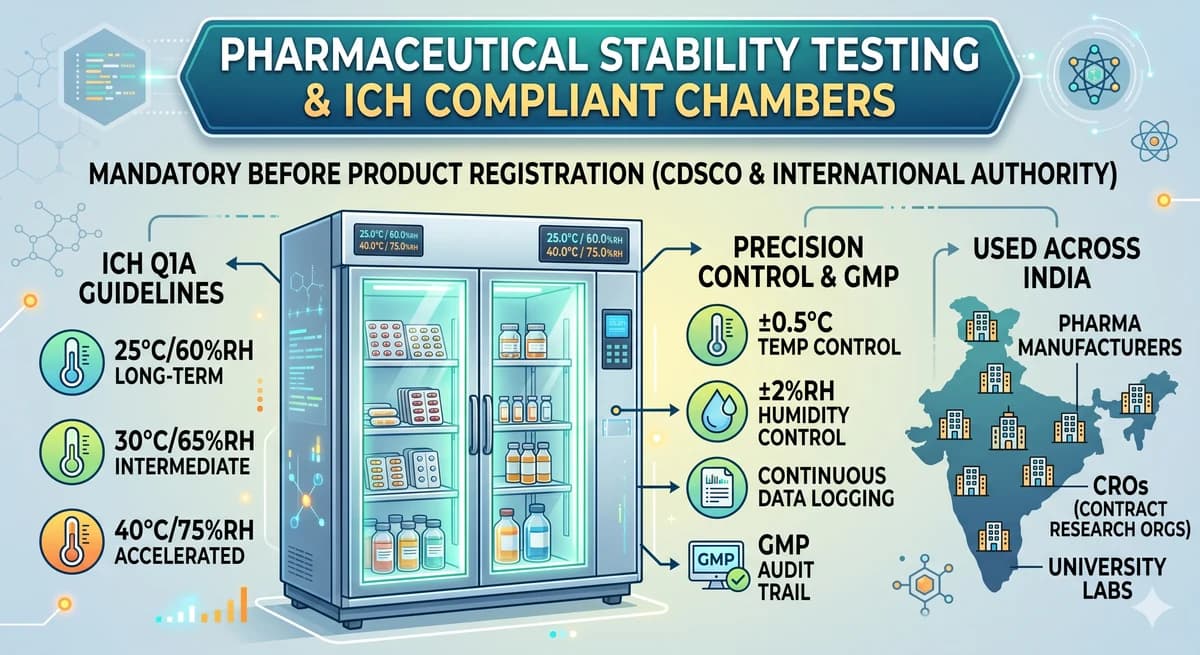
Pharmaceutical Stability Testing
ICH Q1A compliant stability chambers for Zone I–IV drug testing — CDSCO approved manufacturer
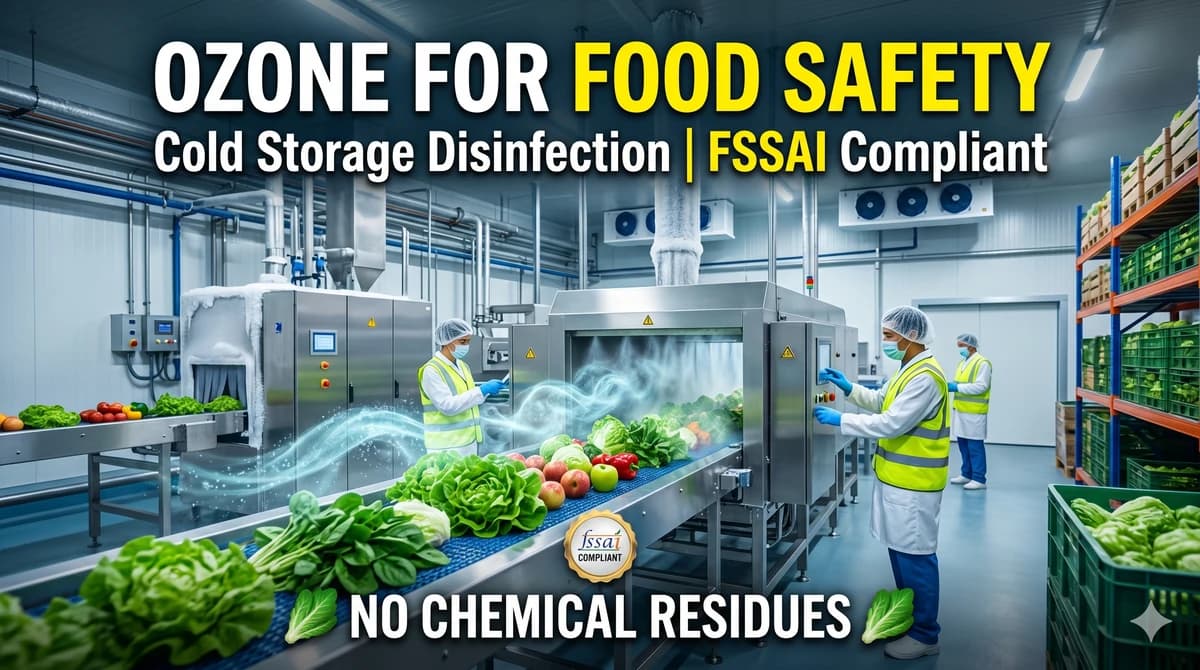
Food Processing and Safety
FSSAI-compliant ozone disinfection for food contact surfaces, CIP, cold storage, and vegetable washing