Asia · FDA Thailand
Ozone Generator for Thailand — Food Safety, Seafood Processing & Aquaculture
Thailand's USD 7 billion seafood export industry to Japan and EU depends on stringent HACCP-compliant processing. Ozone is approved by Thai FDA under Notification of the Ministry of Public Health (No. 281) as a food contact sanitiser. Our CE-certified systems help Thai processors achieve zero-residue compliance required by Japanese importers (JAS standards) and EU Regulation (EC) 178/2002.
- CE Marking
- ISO 9001:2015
- ISO 12100
- RoHS
$7.3 Billion
Total Seafood Export Value (2022)
Thai Frozen Foods Association (TFFA) / Thai Customs Department · 2022
300,000+ Tonnes
Annual Shrimp Production
Department of Fisheries, Ministry of Agriculture and Cooperatives, Thailand · 2022
13 Million+ Tonnes
Sugar Production (2021–22 Crop Year)
Office of Agricultural Economics (OAE), Ministry of Agriculture and Cooperatives · 2022
Challenges and Solutions for Thailand
Key Challenges in Thailand
Japanese JAS standards require zero-chemical-residue seafood, demanding validated chemical-free processing methods
EU EC Regulation 178/2002 food safety compliance is mandatory for all Thai seafood and processed food export facilities
Thai FDA GMP Notification 281 mandates documented sanitation for food contact surface treatment
Sugar mill, shrimp processing, and palm oil effluent must meet PCD discharge limits to avoid facility shutdowns
How We Solve It
Ozone seafood washers achieve zero chemical residue for JAS Japan and EU EC 178/2002 compliance
Thai FDA Notification 281 compliant ozone food contact sanitiser systems for registered food facilities
CE-certified ozone aquaculture systems for antibiotic-free shrimp production targeting EU and Japanese export markets
Industrial ozone ETPs reducing COD and BOD in sugar mill and seafood processing effluent to PCD standards
Recommended
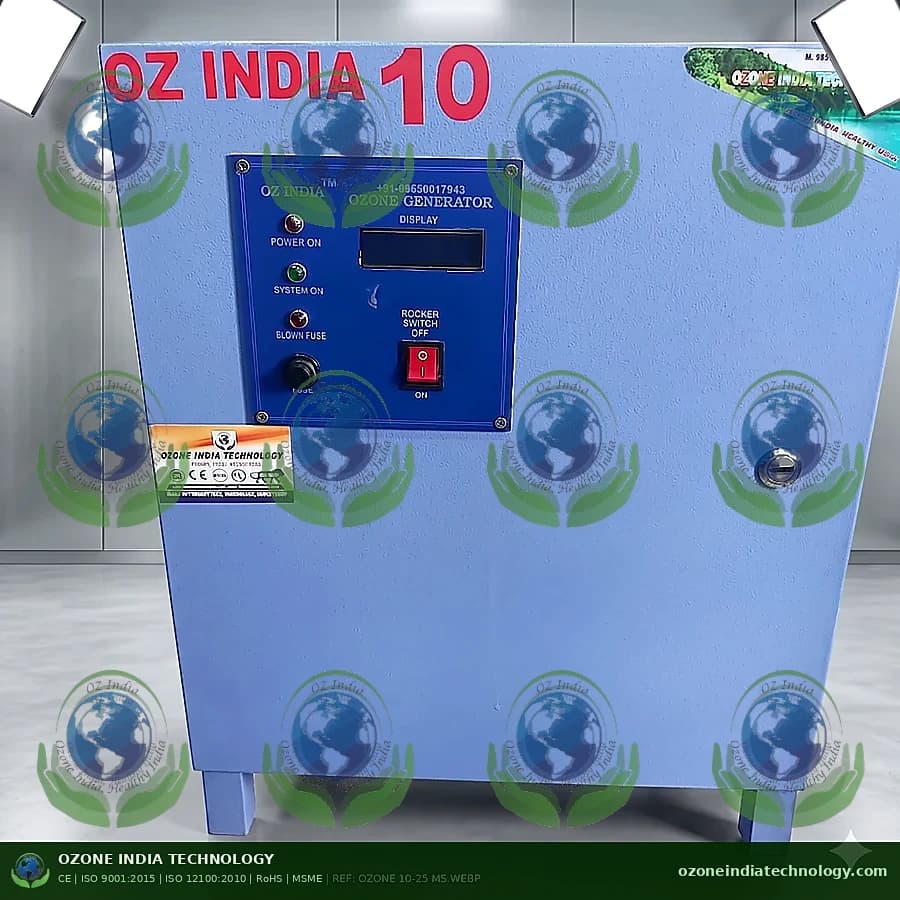
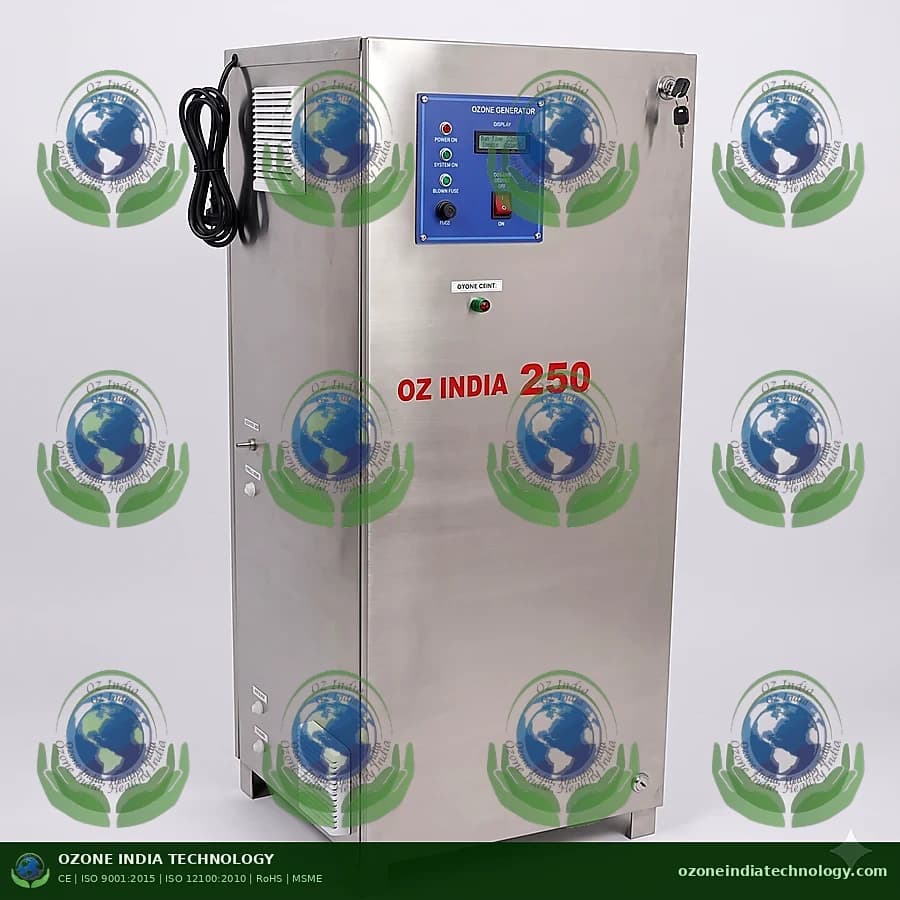
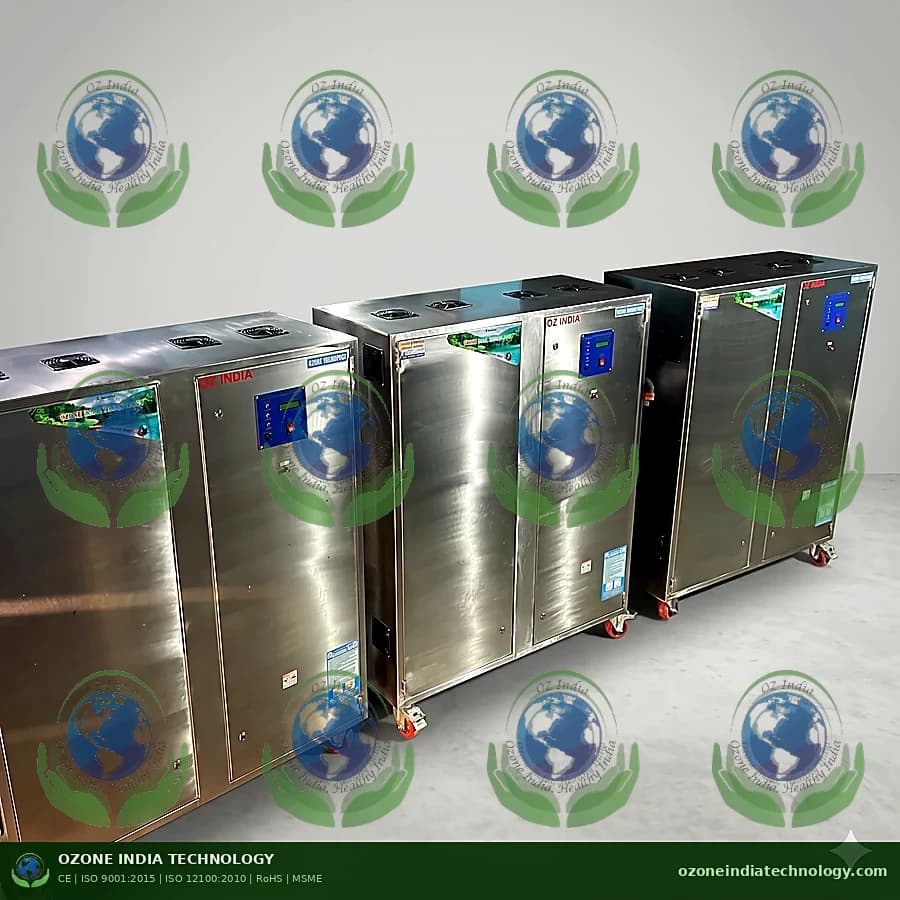
Products for Thailand
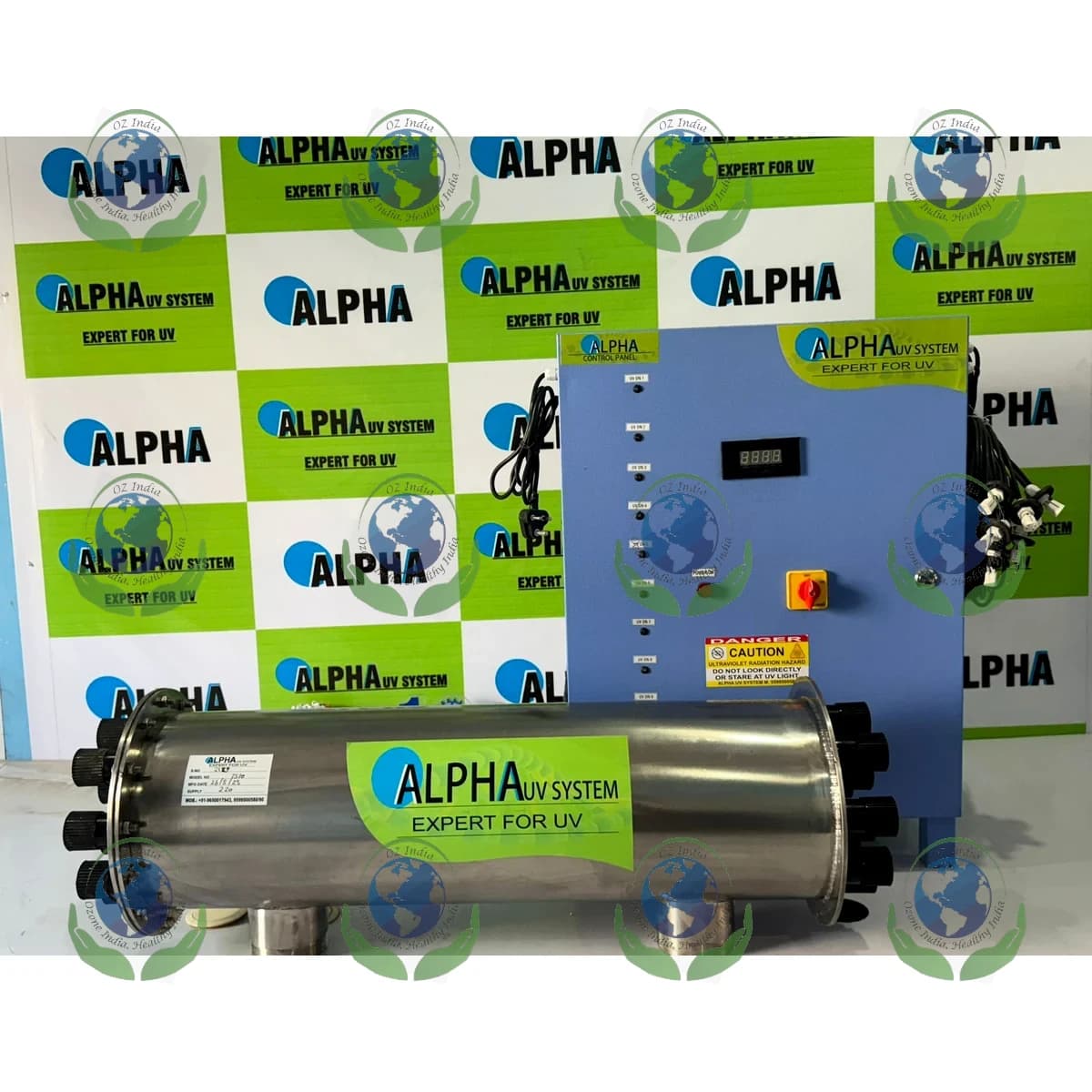
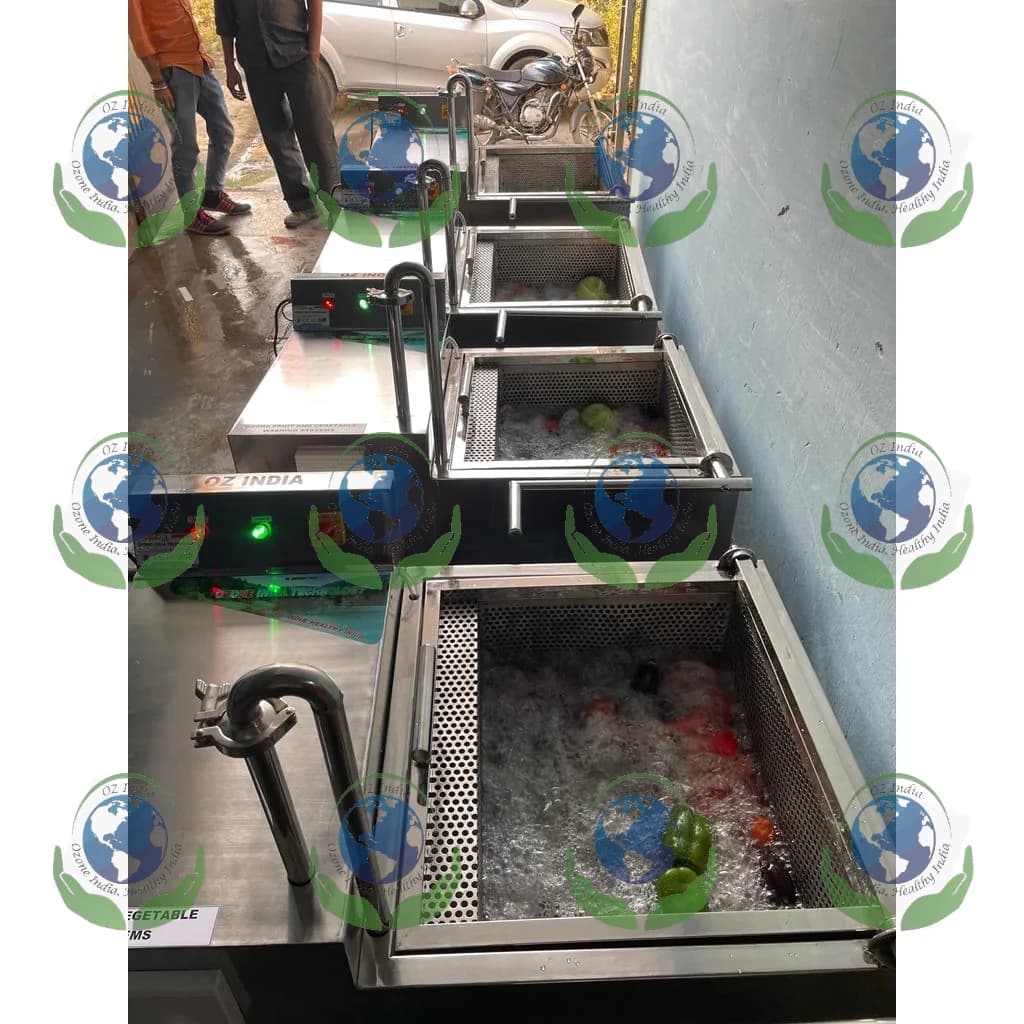
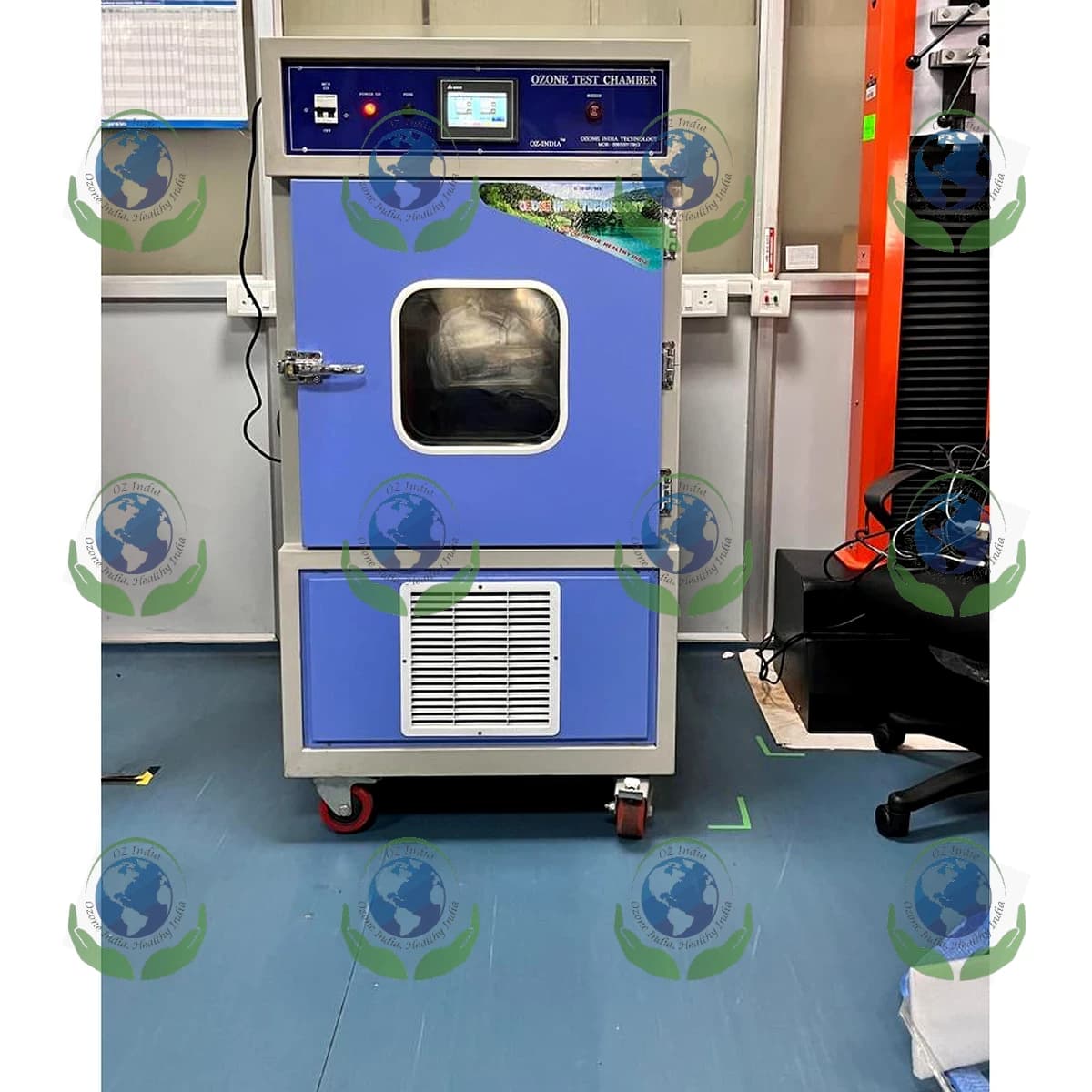
Regulatory Compliance & Why Us
FDA Thailand — Thai Food and Drug Administration
CE & ISO 9001:2015 certified — full documentation for:
- Thai FDA food safety
- TIS 257
- CODEX Alimentarius
CE Marking
CE-2621A
ISO 9001:2015
UQ-270426AD1
ISO 12100
UQ-27426AD89
RoHS
QA-2704A2
Why Ozone India Technology for Thailand?
CE + ISO 9001 recognised by Thai FDA and Japanese JAS authorities for facility documentation
India-Thailand ASEAN trade route — competitive sea freight to Laem Chabang and Bangkok ports
Significantly lower pricing than Japanese and European equipment suppliers
Full HACCP documentation package supplied for Thai export food facility certification
Systems from small-scale shrimp farm to large sugar mill and tuna processing plant
Industry Applications in Thailand
Industry
Overview
Thailand · Asia
Thailand is Southeast Asia's most mature food and seafood export economy, with seafood exports reaching $7.3 billion in 2022 according to the Thai Frozen Foods Association (TFFA). The country is the world's third-largest shrimp exporter, producing 300,000+ tonnes of shrimp annually — primarily Pacific white shrimp (Litopenaeus vannamei) from coastal provinces including Chachoengsao, Samut Sakhon, and Surat Thani. Beyond seafood, Thailand's agro-food sector encompasses sugar production of 13 million+ tonnes per year (OAE Thailand, 2022), making Thailand one of the world's top five sugar exporters. The Thai FDA (Food and Drug Administration) regulates over 16,000 registered food establishments operating under the Food Act B.E. 2522 (1979) and its amendments. Thailand's food manufacturing sector is export-oriented, with EU, Japan, and the United States absorbing the majority of high-value processed seafood, canned food, and agricultural products.
Thailand's export-facing food and aquaculture sector operates within one of Asia's most demanding regulatory and buyer-driven compliance environments. The EU is Thailand's largest single-country seafood market; EU import controls under Regulation (EC) 854/2004 require full traceability and zero-tolerance for chloramphenicol, nitrofurans, and malachite green residues in shrimp and fish. Japan — Thailand's second-largest seafood export destination — enforces residue limits under the Positive List System (PLS) introduced in 2006, setting MRLs of 0.01 ppm for substances not explicitly evaluated. Major US retail buyers and food service chains operating in Thailand require Global Food Safety Initiative (GFSI) recognised scheme certification (SQF, BRC, IFS), all of which mandate stringent environmental monitoring and sanitation validation. The global Early Mortality Syndrome (EMS) outbreak of 2012–2013, which devastated Thai shrimp production by 50%, underscored the sector's vulnerability to water-borne pathogen pressure and accelerated adoption of advanced water treatment technologies.
Thailand's regulatory architecture for water and food safety is among the most structured in ASEAN. The Thai FDA, operating under the Ministry of Public Health, issues notifications under the Food Act that directly govern food contact sanitisers. Thai FDA Notification No. 281 (1998) explicitly approves ozone as a food sanitiser for use in food production and processing, giving Thai food manufacturers a clear regulatory basis for ozone adoption without requiring novel food additive approval. Drinking water quality is governed by TIS 257:2549 (Thai Industrial Standard for Drinking Water, 2006 revision), which sets limits for 56 parameters including total coliforms (0/100 mL), turbidity (5 NTU), and residual disinfectant. Industrial wastewater discharge is regulated under the Factory Act B.E. 2535 (1992), with the Department of Industrial Works (DIW) enforcing effluent quality standards. Thailand's National Water Resources Act B.E. 2561 (2018) established the National Water Resources Office (ONWR) to coordinate river basin management across 22 river basins.
Ozone technology is directly applicable to Thailand's three most water-intensive and compliance-sensitive industries: shrimp aquaculture, seafood processing, and sugar processing. In shrimp aquaculture, ozone at 0.1–0.3 mg/L in pond inlet or recirculating water eliminates Vibrio parahaemolyticus — the causative agent of Acute Hepatopancreatic Necrosis Disease (AHPND/EMS) — without antibiotic use. Post-harvest in processing plants, ozone-treated chiller water at 0.5–2 ppm achieves the hygiene standards required for EU RASFF-free export while reducing processing water chlorine use, which generates trihalomethanes (THMs) — a food safety concern in Japanese and EU markets. In Thailand's sugar processing sector, ozone effectively sanitises crystallisation and evaporation equipment, controls biofilm in cooling water systems, and reduces BOD in sugar mill effluent, helping facilities comply with DIW effluent standards. Thai FDA Notification No. 281's explicit approval means ozone-based food processing systems can be implemented without lengthy regulatory review.
Indian-manufactured CE-certified ozone systems from Ozone India Technology represent a compelling alternative to both European premium brands and local Thai fabricators for Thailand's food export sector. European ozone systems carry 30–50% price premiums and 8–12 week lead times that are untenable for Thai processors navigating seasonal shrimp harvest cycles. Local Thai-fabricated ozone systems lack international certification credentials required by BRC, SQF, and IFS auditors who expect CE-marked equipment documentation in GFSI audits. Ozone India Technology delivers CE and ISO 9001:2015 certified systems at pricing competitive with locally assembled units, with Bangkok-accessible spare parts logistics via established Indian export routes through Laem Chabang port (7–10 days sea freight from JNPT Mumbai). Systems are designed for continuous operation at 30–38°C ambient with 70–90% relative humidity — conditions identical to Thai coastal and central plains industrial zones. Technical support is provided in English, and all systems are supplied with CE Declaration of Conformity documentation accepted by Thai FDA, BRC, and SQF auditors.
Sourced Data
Thailand — Market Statistics
All figures sourced from WHO, FAO, World Bank, and national agencies.
- Total Seafood Export Value (2022)
- $7.3 Billion
- Annual Shrimp Production
- 300,000+ Tonnes
- Sugar Production (2021–22 Crop Year)
- 13 Million+ Tonnes
- Thai FDA Registered Food Establishments
- 16,000+
- Ozone Approval Status for Food Processing
- Approved (Notification No. 281, 1998)
- Thailand Global Seafood Export Rank (Shrimp)
- 3rd Largest Globally
Thai Frozen Foods Association (TFFA) / Thai Customs Department · 2022
Department of Fisheries, Ministry of Agriculture and Cooperatives, Thailand · 2022
Office of Agricultural Economics (OAE), Ministry of Agriculture and Cooperatives · 2022
Thai Food and Drug Administration (FDA), Ministry of Public Health · 2022
Thai FDA Notification No. 281 under Food Act B.E. 2522 · 1998
FAO Fisheries and Aquaculture Department; TFFA 2022 · 2022
Peer-Reviewed Evidence
Research & Scientific Basis
Published studies supporting ozone treatment in Thailand's industrial context.
Microbiological Aspects of Ozone Applications in Food: A Review
Khadre MA, Yousef AE, Kim JG · Journal of Food Science · 2001
Confirmed ozone's efficacy against Vibrio parahaemolyticus and Vibrio harveyi — the primary bacterial pathogens in Thai shrimp aquaculture — at dissolved concentrations of 0.1–0.5 ppm, with >4-log reduction in controlled aquatic environments. This finding underpins ozone's role in Thai shrimp pond management as a tool to control AHPND (Early Mortality Syndrome) without antibiotics, directly addressing the EU and Japanese zero-tolerance residue requirements that govern Thailand's $7.3 billion seafood export industry.
Ozonation of Drinking Water: Part I. Oxidation Kinetics and Product Formation
Von Gunten U · Water Research · 2003
Established that ozone at practical water treatment concentrations (0.4–2.0 mg/L) achieves Cryptosporidium and Giardia inactivation with CT values of 0.4–10 mg/L·min while simultaneously oxidising organic micropollutants including pesticides and pharmaceutical residues without forming halogenated DBPs. For Thailand's drinking water utilities in Bangkok Metropolitan Region and provincial municipalities, this kinetics framework supports ozone as a primary disinfectant that meets TIS 257:2549 limits for total coliforms (0/100 mL) while controlling emerging contaminants from agricultural runoff in the Chao Phraya basin.
Ozone Disinfection of Wastewater: EPA Wastewater Technology Fact Sheet
United States Environmental Protection Agency (US EPA) · EPA 832-F-99-063, Office of Water, US EPA · 1999
Established ozone disinfection CT design parameters for municipal and industrial wastewater: 10 mg/L·min achieves 4-log fecal coliform reduction at pH 7 and 20°C, with ozone doses of 5–15 mg/L typical for secondary effluent. For Thailand's sugar mills and seafood processing plants — which must meet DIW effluent discharge limits under the Factory Act — this EPA framework provides internationally recognised engineering standards directly applicable to designing ozone tertiary treatment systems that achieve DIW effluent quality requirements and enable discharge to Class 3 water bodies per Thailand's Surface Water Quality Standards.
Parameter Compliance
FDA Thailand Regulatory Parameters
How our certified systems perform against Thailand's official limits.
| Parameter | FDA Thailand Limit | Our System Output | Standard |
|---|---|---|---|
| Total Coliforms (Drinking Water) | 0 CFU/100 mL | Non-detectable (ND) | TIS 257:2549 — Thai Industrial Standard for Drinking Water (2006) |
| Turbidity (Drinking Water) | 5 NTU | <1 NTU (ozone + multimedia filtration) | TIS 257:2549 — Thai Industrial Standard for Drinking Water (2006) |
| BOD (Industrial Wastewater — Seafood/Food Processing) | 20 mg/L (DIW Notification B.E. 2548) | <10 mg/L | Department of Industrial Works (DIW) Effluent Standard under Factory Act B.E. 2535 |
| COD (Industrial Wastewater — Seafood/Food Processing) | 120 mg/L (DIW Notification) | <60 mg/L | Department of Industrial Works (DIW) Effluent Standard under Factory Act B.E. 2535 |
| Total Suspended Solids (Industrial Wastewater) | 50 mg/L | <25 mg/L | Department of Industrial Works (DIW) Effluent Standard under Factory Act B.E. 2535 |
| Ozone as Food Contact Sanitiser | Approved — no statutory ppm cap at point of application (residue must be absent on product) | Residual ozone <0.01 ppm on product (decomposes before contact) | Thai FDA Notification No. 281 (1998) under Food Act B.E. 2522; Codex Alimentarius CAC/RCP 1-1969 Rev.4 |
Sector Breakdown
Industry Applications in Thailand
Key sectors, production scale, and how ozone technology addresses each challenge.
| Sector | Scale / Value | Challenge | Our Solution |
|---|---|---|---|
| Shrimp Aquaculture (Pacific White Shrimp) | $3+ Billion Farm-Gate (DOF Thailand 2022) | AHPND/EMS (Vibrio parahaemolyticus) causing 30–70% crop losses; antibiotic use triggering EU/Japan import alerts; intensive pond water quality management; zero-residue requirements | Dissolved ozone at 0.1–0.3 mg/L for Vibrio elimination; ozone micro-flocculation for TSS and organic load control; antibiotic-free water quality management; RAS-compatible ozone generator systems |
| Seafood Processing & Cold Storage | $7.3 Billion Exports (TFFA 2022) | EU RASFF microbiological alerts; chlorine disinfection generating THMs flagged by Japanese buyers; biofilm on stainless steel surfaces; GFSI (BRC/SQF) audit environmental monitoring requirements | Ozone chiller water treatment (0.5–2 ppm); surface sanitation CIP/COP replacing hypochlorite; CE-marked equipment accepted by BRC/SQF auditors; THM-free sanitisation for Japanese MHLW compliance |
| Sugar Processing & Refining | $3+ Billion Exports (TSMC / OAE 2022) | Microbial contamination in juice evaporators and crystallisation equipment; cooling water Legionella control; high-BOD press water effluent exceeding DIW limits; colour removal in refined sugar | Ozone cooling tower water treatment for Legionella control; sugar mill effluent tertiary treatment (BOD/COD reduction); ozone decolourisation of refined sugar process water; DIW-compliant effluent quality |
| Canned & Processed Food Manufacturing | $2.5 Billion Exports (TPFA 2022) | Thai FDA Notification No. 281 compliance; fruit/vegetable surface sanitation without chemical residues; mold and yeast control in high-humidity tropical processing environments; BRC/IFS audit hygiene requirements | Ozone fruit/vegetable washing systems (0.5–2 ppm, Thai FDA-approved); ozone air sanitation for processing rooms; biofilm control in CIP loops; HACCP-compatible ozone monitoring and logging |
| Municipal & Resort Drinking Water Treatment | PWA/MWA annual CAPEX ~$400 Million | TIS 257:2549 compliance for 56 parameters; Chao Phraya and Mekong tributary turbidity and cyanobacterial toxins; tourist resort island desalination post-treatment; residual disinfectant management | Ozone primary disinfection achieving 4-log CT targets; microcystin (algal toxin) oxidation; ozone + activated carbon for taste/odour control; island resort compact ozone water treatment systems |
| Pharmaceutical & Healthcare Facilities | $9 Billion Pharmaceutical Market (TPMA 2022) | GMP water system compliance (WHO/PIC-S); purified water and WFI biofilm control; hospital water Legionella risk in tropical climate; MOPH and FDA Thailand GMP inspection requirements | Ozone-sanitised purified water distribution loops at 0.05–0.1 ppm continuous; UV-ozone hybrid systems for WFI loop biofilm control; validated ozone CIP cycles for Thai FDA GMP compliance; 24/7 ozone monitoring with data logging |
Shrimp Aquaculture (Pacific White Shrimp)
$3+ Billion Farm-Gate (DOF Thailand 2022)
AHPND/EMS (Vibrio parahaemolyticus) causing 30–70% crop losses; antibiotic use triggering EU/Japan import alerts; intensive pond water quality management; zero-residue requirements
Dissolved ozone at 0.1–0.3 mg/L for Vibrio elimination; ozone micro-flocculation for TSS and organic load control; antibiotic-free water quality management; RAS-compatible ozone generator systems
Seafood Processing & Cold Storage
$7.3 Billion Exports (TFFA 2022)
EU RASFF microbiological alerts; chlorine disinfection generating THMs flagged by Japanese buyers; biofilm on stainless steel surfaces; GFSI (BRC/SQF) audit environmental monitoring requirements
Ozone chiller water treatment (0.5–2 ppm); surface sanitation CIP/COP replacing hypochlorite; CE-marked equipment accepted by BRC/SQF auditors; THM-free sanitisation for Japanese MHLW compliance
Sugar Processing & Refining
$3+ Billion Exports (TSMC / OAE 2022)
Microbial contamination in juice evaporators and crystallisation equipment; cooling water Legionella control; high-BOD press water effluent exceeding DIW limits; colour removal in refined sugar
Ozone cooling tower water treatment for Legionella control; sugar mill effluent tertiary treatment (BOD/COD reduction); ozone decolourisation of refined sugar process water; DIW-compliant effluent quality
Canned & Processed Food Manufacturing
$2.5 Billion Exports (TPFA 2022)
Thai FDA Notification No. 281 compliance; fruit/vegetable surface sanitation without chemical residues; mold and yeast control in high-humidity tropical processing environments; BRC/IFS audit hygiene requirements
Ozone fruit/vegetable washing systems (0.5–2 ppm, Thai FDA-approved); ozone air sanitation for processing rooms; biofilm control in CIP loops; HACCP-compatible ozone monitoring and logging
Municipal & Resort Drinking Water Treatment
PWA/MWA annual CAPEX ~$400 Million
TIS 257:2549 compliance for 56 parameters; Chao Phraya and Mekong tributary turbidity and cyanobacterial toxins; tourist resort island desalination post-treatment; residual disinfectant management
Ozone primary disinfection achieving 4-log CT targets; microcystin (algal toxin) oxidation; ozone + activated carbon for taste/odour control; island resort compact ozone water treatment systems
Pharmaceutical & Healthcare Facilities
$9 Billion Pharmaceutical Market (TPMA 2022)
GMP water system compliance (WHO/PIC-S); purified water and WFI biofilm control; hospital water Legionella risk in tropical climate; MOPH and FDA Thailand GMP inspection requirements
Ozone-sanitised purified water distribution loops at 0.05–0.1 ppm continuous; UV-ozone hybrid systems for WFI loop biofilm control; validated ozone CIP cycles for Thai FDA GMP compliance; 24/7 ozone monitoring with data logging
Ready to export to Thailand
Deploy Ozone Technology in Thailand
CE & ISO 9001:2015 certified. Full export documentation. Factory-direct from Greater Noida, India.