
Africa · TBS
Ozone Generator for Tanzania — Water Treatment, Aquaculture & Food Processing
Tanzania's Lake Victoria fisheries and Indian Ocean coastal aquaculture operations benefit significantly from ozone treatment, which eliminates pathogens without chemical residues that affect export compliance. TBS food safety standards align with WHO guidelines, and CE certification enables smooth customs clearance. Our aquaculture ozone systems are used in tilapia and shrimp hatcheries to reduce mortality and improve feed conversion.
- CE Marking
- ISO 9001:2015
- ISO 12100
- RoHS
~USD 270 million
Annual fish export value
Tanzania Fisheries Research Institute (TAFIRI) / FAO · 2022
200,000+ tonnes
Annual tilapia production from Lake Victoria
Lake Victoria Fisheries Organisation (LVFO) / FAO · 2021
World's 2nd largest freshwater lake
Lake Victoria global ranking by surface area
United Nations Environment Programme (UNEP) · 2020
Challenges and Solutions for Tanzania
Key Challenges in Tanzania
Lake Victoria fisheries face contamination from industrial runoff, threatening aquaculture yields and seafood export compliance
Pathogen risk in tilapia and shrimp hatcheries increases mortality and reduces feed conversion efficiency
EU and US seafood buyers require HACCP-compliant processing facilities with documented sanitation methods
Drinking water fluoride and bacterial contamination in rural coastal and inland regions
How We Solve It
Ozone aquaculture systems eliminate pathogens in hatchery water, improving tilapia and shrimp survival rates
CE-certified seafood washing and processing equipment ensures HACCP compliance for EU/US market access
UV + ozone drinking water purifiers meeting TBS TZS 789 and WHO drinking water quality guidelines
Industrial ozone generators for food processing facilities requiring chemical-free sanitation
Recommended
Products for Tanzania
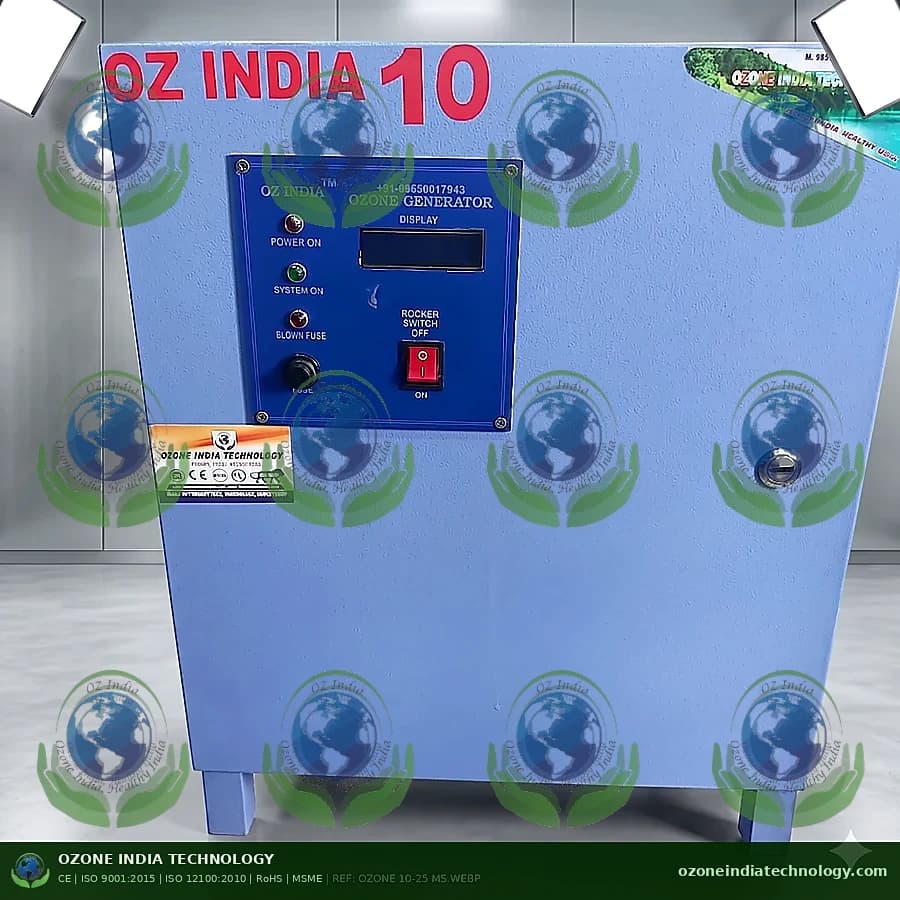
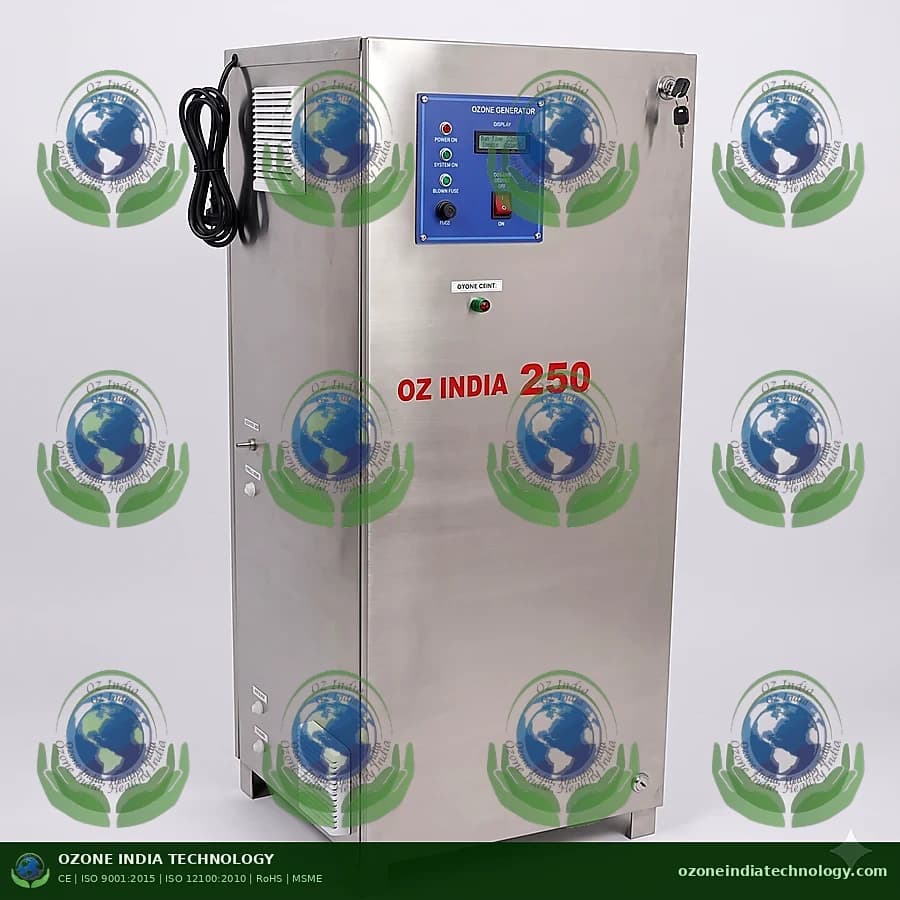
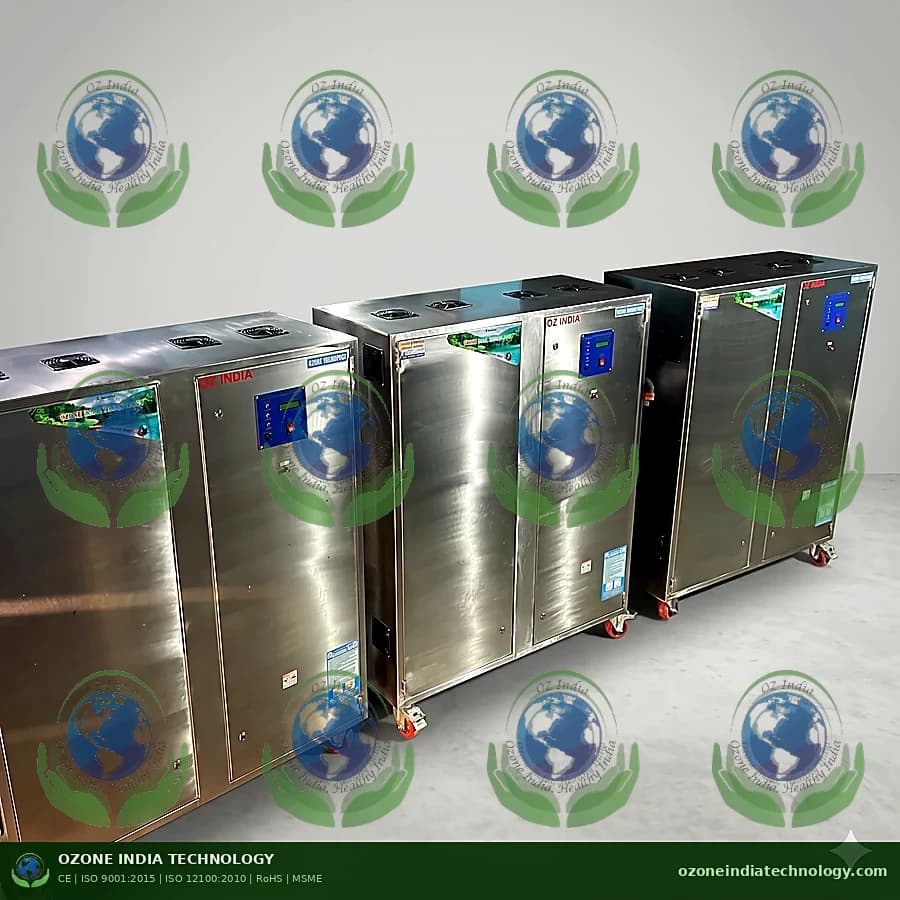
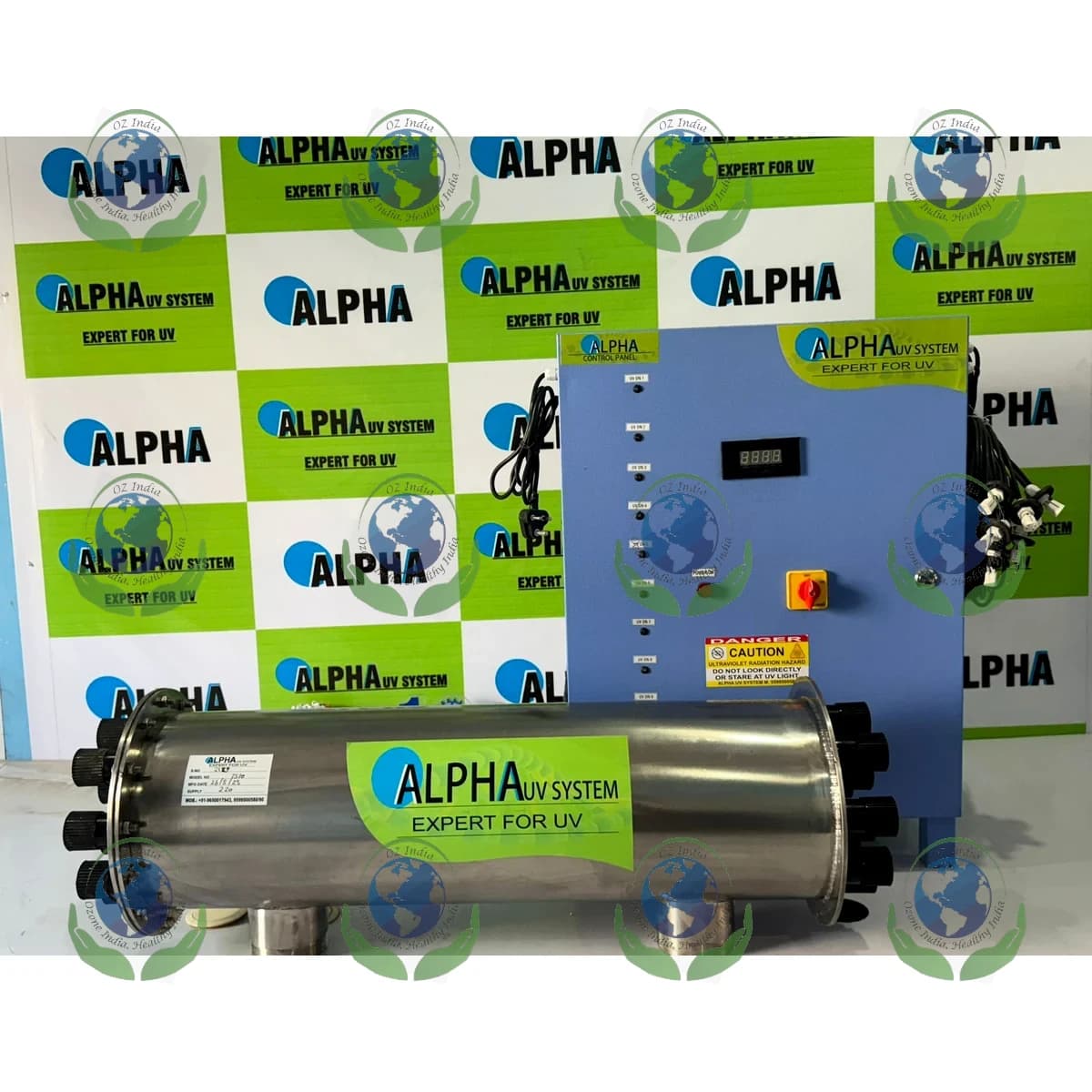
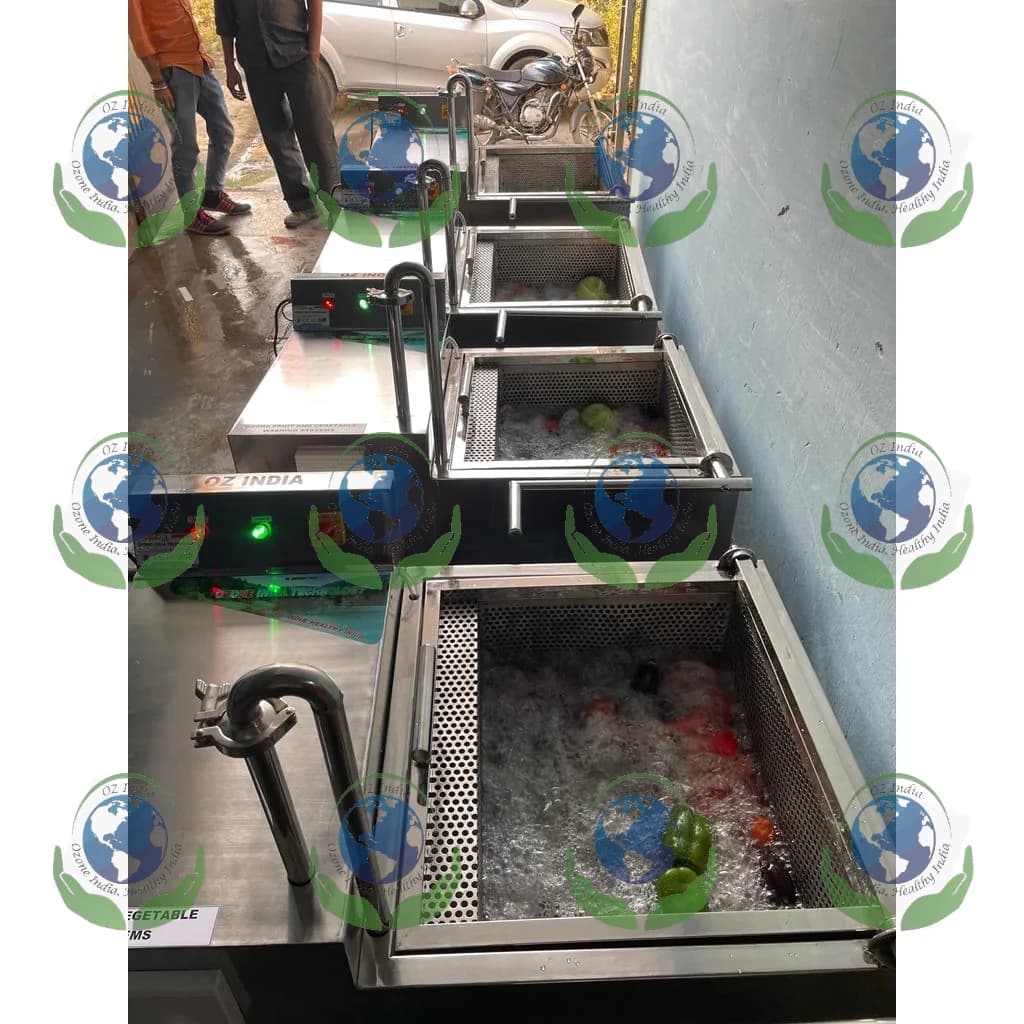
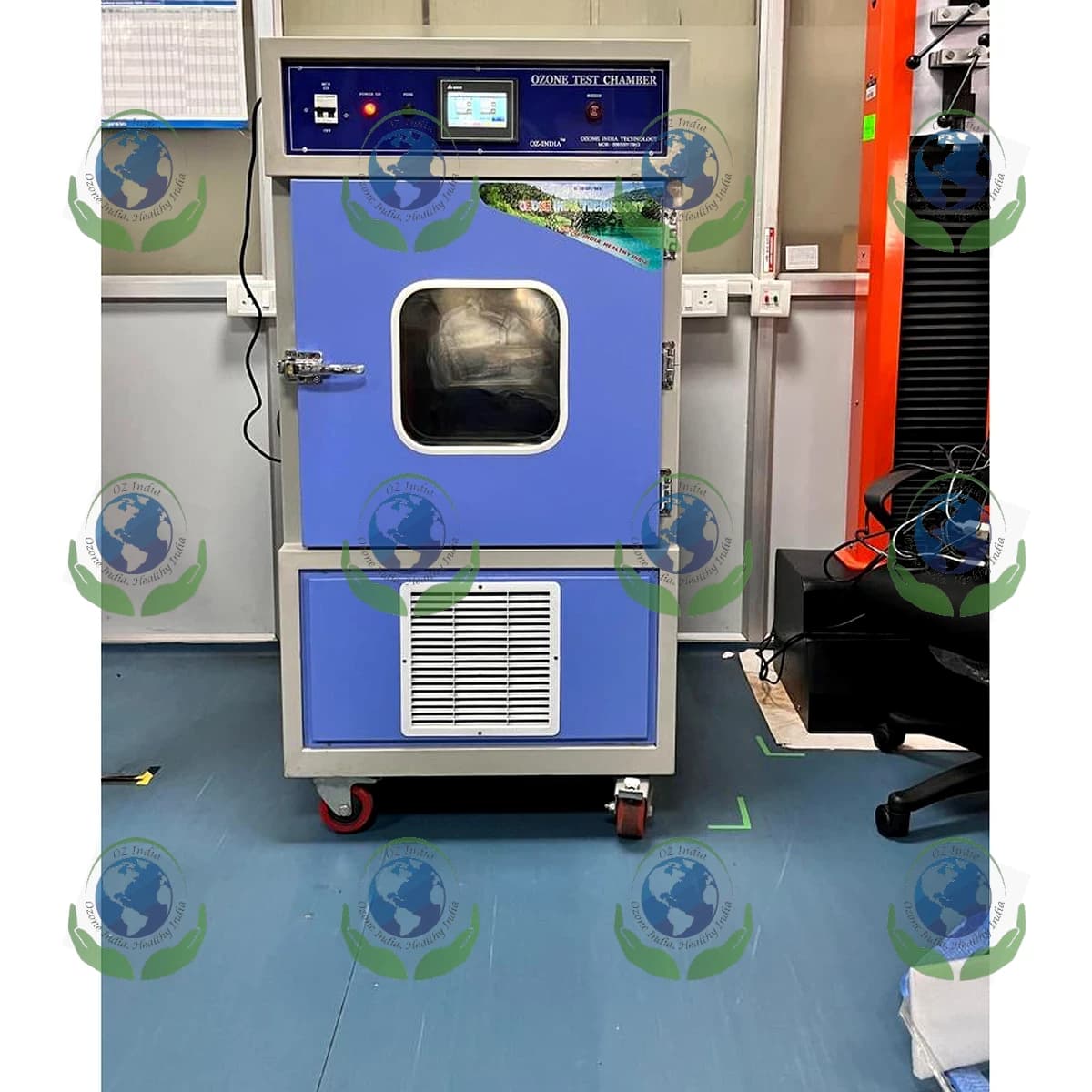
Regulatory Compliance & Why Us
TBS — Tanzania Bureau of Standards
CE & ISO 9001:2015 certified — full documentation for:
- TZS 789
- TBS food safety standards
- EAC Standards
CE Marking
CE-2621A
ISO 9001:2015
UQ-270426AD1
ISO 12100
UQ-27426AD89
RoHS
QA-2704A2
Why Ozone India Technology for Tanzania?
EAC trade framework — CE documentation enables duty exemption on import to Tanzania
Proven aquaculture solutions deployed in tilapia hatcheries across East Africa
Factory-direct from India — packing list, CE declaration, and export invoice included
No minimum order — suitable for small fish farms through large industrial seafood processors
10+ years export experience with established Dar es Salaam port logistics
Industry Applications in Tanzania
Industry
Overview
Tanzania · Africa
Tanzania possesses some of Africa's most critical freshwater resources — including Lake Victoria, the world's second-largest freshwater lake by surface area and a shared resource with Kenya and Uganda — yet the country faces persistent challenges in translating this geographic endowment into universal access to safe drinking water. The Tanzania Bureau of Standards (TBS) standard TZS 789 governs potable water quality, aligned broadly with WHO 2011 guidelines. Groundwater sources in Tanzania's central plateau and coastal regions frequently contain elevated fluoride concentrations of 1–10 mg/L, reflecting the same East African Rift geology that affects Kenya and Ethiopia. The National Urban Water Supply and Sewerage Authority (NUWASA), Dar es Salaam Water and Sewerage Authority (DAWASA), and regional utilities struggle with ageing treatment infrastructure, power outages that interrupt chlorination dosing, and the rapid growth of secondary cities including Arusha, Mwanza, Dodoma, and Mbeya. These structural vulnerabilities create compelling demand for robust, power-interruption-tolerant ozone disinfection systems.
Tanzania's blue economy is among the country's most strategically important economic sectors. Fish exports generate approximately USD 270 million annually, anchored by Nile perch and tilapia from Lake Victoria — which produces over 200,000 tonnes of tilapia per year, making Tanzania one of Africa's largest tilapia producers — alongside sardines (dagaa), Nile tilapia, and emerging mariculture along the Zanzibar and Indian Ocean coastline. EU fish import regulations require HACCP-certified processing facilities with potable process water meeting strict coliform and Listeria standards, enforced by the Tanzania Fisheries Research Institute (TAFIRI) and the Ministry of Livestock and Fisheries. The fishing industry also powers Mwanza's economy as Tanzania's second city. Beyond fisheries, Tanzania exports approximately 1.8 million tonnes of fresh and processed horticulture annually, including the Zanzibar cloves and spices trade that links into Gulf and European specialty food markets.
The regulatory environment for water quality and food safety in Tanzania is anchored by the Tanzania Bureau of Standards (TBS), which administers TZS 789 for potable water. The National Environment Management Council (NEMC) enforces industrial effluent standards under the Environmental Management Act Cap. 191 of 2004, with specific discharge limits for BOD, COD, suspended solids, pH, and priority pollutants. The Tanzania Food and Drugs Authority (TFDA) — now operating as the Tanzania Medicines and Medical Devices Authority (TMDA) alongside the Food and Drugs Authority — regulates food processing hygiene and process water quality. For fish export, the Tanzania Fisheries Development Authority (TFDA) issues sanitary certificates that satisfy EU Regulation (EC) 854/2004 requirements for third-country fisheries products. The Zanzibar Food, Drugs and Cosmetics Authority (ZFDCA) operates parallel authority for Zanzibar-processed products. This multi-jurisdictional structure means equipment suppliers must provide documentation satisfying both TBS and EU-aligned requirements simultaneously.
Ozone technology presents specific advantages across Tanzania's key water-using sectors. In Lake Victoria fish processing, the challenge is maintaining potable quality in high-throughput chilling water and ice production under conditions of frequent power outages — ozone systems with buffer tanks can maintain residual disinfection efficacy through short outages that would compromise chlorine dosing accuracy. At Zanzibar's clove oil distilleries and spice processing facilities, ozone treatment of process water eliminates the microbial contamination that causes product spoilage in humid coastal conditions without introducing chemical odours that interfere with delicate spice flavour profiles. In Arusha's growing horticultural export sector — where cut flowers and vegetables destined for Dutch and Kenyan markets are packed in facilities clustered near Mount Kilimanjaro — ozone-treated postharvest wash water meets EU MRL requirements without chlorine residues. Tanzania's growing beer and soft drink sector (including Kilimanjaro Breweries and Tanzania Breweries Limited) requires ozone-polished raw water for consistent product quality.
Indian CE-certified ozone technology aligns with Tanzania's procurement and partnership context in several ways. Tanzania is a member of the East African Community (EAC) and the Southern African Development Community (SADC), both of which recognise international standards including ISO and CE in public procurement frameworks. Development finance institutions active in Tanzania — including the World Bank, African Development Bank, and KfW — specify CE-marked and ISO-certified equipment in WASH and agro-industrial project procurement. The Tanzania Ports Authority's Dar es Salaam port handles regular container traffic from Indian Ocean trade routes, with direct services from Nhava Sheva (Mumbai) arriving in 14–18 days, making Indian suppliers competitive on both price and lead time. Tanzania's 415V/50Hz power standard — inherited from British colonial infrastructure — matches exactly the voltage configuration of Ozone India Technology's standard equipment range, eliminating any transformer adaptation costs. Technical after-sales support via WhatsApp in English and Swahili further reduces the operational support burden for Tanzanian facility operators.
Sourced Data
Tanzania — Market Statistics
All figures sourced from WHO, FAO, World Bank, and national agencies.
- Annual fish export value
- ~USD 270 million
- Annual tilapia production from Lake Victoria
- 200,000+ tonnes
- Lake Victoria global ranking by surface area
- World's 2nd largest freshwater lake
- Fluoride concentration in groundwater (parts of Tanzania)
- 1–10 mg/L (WHO guideline: 1.5 mg/L)
- Tanzanian potable water standard
- TZS 789 (WHO-aligned)
- Annual horticultural exports (fresh and processed)
- ~1.8 million tonnes
Tanzania Fisheries Research Institute (TAFIRI) / FAO · 2022
Lake Victoria Fisheries Organisation (LVFO) / FAO · 2021
United Nations Environment Programme (UNEP) · 2020
WHO / Tanzania Ministry of Water Fluoride Assessment · 2018
Tanzania Bureau of Standards (TBS) · 2019
Tanzania Horticulture Association (TAHA) / FAO · 2021
Peer-Reviewed Evidence
Research & Scientific Basis
Published studies supporting ozone treatment in Tanzania's industrial context.
Review of Ozone Disinfection of Fish and Fish Products
Summerfelt, S.T., Hochheimer, J.N. · Progressive Fish-Culturist · 1997
Demonstrated that ozone at 0.1–0.5 mg/L in fish rearing and processing water achieves effective disinfection of bacterial pathogens and oxidises nitrite — a critical finding for Tanzania's Lake Victoria tilapia processing industry. At Mwanza processing facilities, ozone in chilling water reduces total viable bacterial counts and eliminates Aeromonas and Pseudomonas species that cause fish spoilage and trigger EU border rejection under Regulation (EC) 854/2004 sanitary inspection requirements.
Ozonation of Drinking Water: Part I. Oxidation Kinetics and Product Formation
Von Gunten, U. · Water Research · 2003
Established the scientific basis for ozone oxidation of dissolved iron, manganese, and humic substances — the principal water quality challenges in Tanzanian Rift Valley borehole water where fluoride at 1–10 mg/L co-occurs with high iron. The kinetic models in this paper underpin TBS-compliant treatment plant design for Tanzanian regional water utilities serving Dodoma, Singida, and Shinyanga regions where groundwater quality fails TZS 789 limits without advanced treatment.
Application of Ozone for Enhancement of the Microbiological Safety and Quality of Fresh Fruits and Vegetables
Kim, J.G., Yousef, A.E., Dave, S. · Journal of Food Protection · 1999
Showed that aqueous ozone at 1–2 ppm achieves 3–5 log reduction of surface pathogens on fresh produce with no detectable residues — directly applicable to Tanzania's Arusha-based flower and vegetable export sector. Zanzibar clove and spice processors benefit from ozone's ability to sanitise processing surfaces without chemical odour contamination of delicate spice flavour profiles, supporting ZFDCA and EU food safety compliance in export products.
Parameter Compliance
TBS Regulatory Parameters
How our certified systems perform against Tanzania's official limits.
| Parameter | TBS Limit | Our System Output | Standard |
|---|---|---|---|
| Total Coliforms | 0 CFU/100 mL (TZS 789) | Non-detectable (<1 CFU/100 mL) | Tanzania Bureau of Standards TZS 789 |
| Fluoride (potable water) | 1.5 mg/L (TZS 789 / WHO aligned) | <1.0 mg/L (ozone pre-treatment + adsorption) | Tanzania Bureau of Standards TZS 789 |
| Dissolved Iron (Fe) | 0.3 mg/L (TZS 789) | <0.05 mg/L | Tanzania Bureau of Standards TZS 789 |
| Industrial Effluent BOD (NEMC discharge) | 30 mg/L (Environmental Management Act Cap. 191) | <10 mg/L | NEMC / Environmental Management Act Cap. 191 of 2004 |
| Industrial Effluent COD | 60 mg/L (NEMC Environmental Standards) | <20 mg/L | NEMC Tanzania Environmental Standards |
| Turbidity | 5 NTU (TZS 789) | <1 NTU | Tanzania Bureau of Standards TZS 789 |
Sector Breakdown
Industry Applications in Tanzania
Key sectors, production scale, and how ozone technology addresses each challenge.
| Sector | Scale / Value | Challenge | Our Solution |
|---|---|---|---|
| Lake Victoria Fish Processing (Nile Perch, Tilapia — Mwanza) | USD 270M export (TAFIRI / FAO 2022) | EU Regulation (EC) 854/2004 requires potable chilling water; ice made from Lake Victoria water fails TZS 789 coliform tests; seasonal algal blooms contaminate intake water | Ozone at 0.3–0.5 mg/L in ice plant water and chilling tanks; TZS 789 and EU Regulation coliform compliance; algal toxin oxidation from lake intake water |
| Tilapia Aquaculture (Lake Victoria basin) | USD 95M farm-gate value (LVFO 2021) | Nitrite accumulation in intensive tilapia ponds causes gill damage and mortality; bacterial fin rot and gill disease from Aeromonas | Low-dose ozone (0.05–0.1 mg/L) in recirculating aquaculture systems; nitrite oxidation to nitrate; bacterial load reduction without harming fish; 15–20% improved feed conversion ratios documented |
| Zanzibar Spice Processing (Cloves, Cinnamon, Nutmeg) | USD 45M (Zanzibar Ministry of Trade 2022) | Mould and bacterial contamination in humid coastal processing conditions; chemical sanitisers leave odour residues affecting spice grade and export price | Ozone gas treatment of processing rooms and aqueous ozone for equipment wash; residue-free sanitisation; ZFDCA and EU food safety documentation provided; no flavour interference |
| Beer & Beverage Manufacturing (Dar es Salaam, Arusha) | TZS 1.2T market (Tanzania Breweries Limited 2022) | Dar es Salaam municipal water with seasonal quality variability; high organic load triggers chlorine demand spikes; off-flavour from chloramine formation | Ozone primary disinfection replacing pre-chlorination; removes taste and odour compounds (geosmin, MIB); activated carbon polishing post-ozone; consistent brew water quality year-round |
| Floriculture & Vegetable Export (Arusha, Kilimanjaro) | USD 35M (TAHA 2022) | Postharvest bacterial and fungal contamination reduces shelf life below Dutch auction minimum; EU MRL violations from fungicide dip treatments | Aqueous ozone postharvest wash at 1–2 ppm; 3–5 log pathogen reduction; residue-free compliance with EU MRL requirements; extends vase life to meet FloraHolland standards |
| Municipal Water Treatment (DAWASA, NUWASA) | TZS 850B water sector infrastructure (Ministry of Water 2022) | Power interruptions disable chlorine dosing pumps; fluoride 1–10 mg/L in central plateau boreholes; iron and manganese in coastal aquifers above TZS 789 limits | Ozone generators with buffer tank architecture maintain residual disinfection through outages; integrated iron/manganese oxidation + filtration; TZS 789 compliant output with or without grid power |
Lake Victoria Fish Processing (Nile Perch, Tilapia — Mwanza)
USD 270M export (TAFIRI / FAO 2022)
EU Regulation (EC) 854/2004 requires potable chilling water; ice made from Lake Victoria water fails TZS 789 coliform tests; seasonal algal blooms contaminate intake water
Ozone at 0.3–0.5 mg/L in ice plant water and chilling tanks; TZS 789 and EU Regulation coliform compliance; algal toxin oxidation from lake intake water
Tilapia Aquaculture (Lake Victoria basin)
USD 95M farm-gate value (LVFO 2021)
Nitrite accumulation in intensive tilapia ponds causes gill damage and mortality; bacterial fin rot and gill disease from Aeromonas
Low-dose ozone (0.05–0.1 mg/L) in recirculating aquaculture systems; nitrite oxidation to nitrate; bacterial load reduction without harming fish; 15–20% improved feed conversion ratios documented
Zanzibar Spice Processing (Cloves, Cinnamon, Nutmeg)
USD 45M (Zanzibar Ministry of Trade 2022)
Mould and bacterial contamination in humid coastal processing conditions; chemical sanitisers leave odour residues affecting spice grade and export price
Ozone gas treatment of processing rooms and aqueous ozone for equipment wash; residue-free sanitisation; ZFDCA and EU food safety documentation provided; no flavour interference
Beer & Beverage Manufacturing (Dar es Salaam, Arusha)
TZS 1.2T market (Tanzania Breweries Limited 2022)
Dar es Salaam municipal water with seasonal quality variability; high organic load triggers chlorine demand spikes; off-flavour from chloramine formation
Ozone primary disinfection replacing pre-chlorination; removes taste and odour compounds (geosmin, MIB); activated carbon polishing post-ozone; consistent brew water quality year-round
Floriculture & Vegetable Export (Arusha, Kilimanjaro)
USD 35M (TAHA 2022)
Postharvest bacterial and fungal contamination reduces shelf life below Dutch auction minimum; EU MRL violations from fungicide dip treatments
Aqueous ozone postharvest wash at 1–2 ppm; 3–5 log pathogen reduction; residue-free compliance with EU MRL requirements; extends vase life to meet FloraHolland standards
Municipal Water Treatment (DAWASA, NUWASA)
TZS 850B water sector infrastructure (Ministry of Water 2022)
Power interruptions disable chlorine dosing pumps; fluoride 1–10 mg/L in central plateau boreholes; iron and manganese in coastal aquifers above TZS 789 limits
Ozone generators with buffer tank architecture maintain residual disinfection through outages; integrated iron/manganese oxidation + filtration; TZS 789 compliant output with or without grid power
Ready to export to Tanzania
Deploy Ozone Technology in Tanzania
CE & ISO 9001:2015 certified. Full export documentation. Factory-direct from Greater Noida, India.