Asia · SLSI
Ozone Generator for Sri Lanka — Water Purification, Tea Processing & Seafood Safety
Sri Lanka's tea, rubber, and seafood export industries require modern food safety infrastructure to maintain EU and Japanese market access. SLSI standard SLS 614 for drinking water and SLS 516 for food contact materials are aligned with WHO guidelines where ozone treatment is a validated disinfection method. Our CE-certified water purifiers and seafood processing systems are used by Sri Lankan exporters requiring EU compliance documentation for fish and crustacean exports under EC Regulation 853/2004.
- CE Marking
- ISO 9001:2015
- ISO 12100
- RoHS
USD 1.25 billion
Annual Tea Export Revenue
Sri Lanka Tea Board, Annual Performance Report — Tea Industry Statistics · 2022
USD 420 million
Annual Seafood Export Revenue
Ministry of Fisheries and Aquatic Resources Development (MFARD), Annual Fisheries Statistics · 2022
USD 700M+
Annual Rubber Export Revenue
Rubber Development Department, Ministry of Plantation Industries, Annual Statistics · 2022
Challenges and Solutions for Sri Lanka
Key Challenges in Sri Lanka
EU EC 853/2004 requires CE-certified processing equipment for Sri Lankan seafood and crustacean exporters to maintain market access
SLSI SLS 614 drinking water standards require advanced treatment beyond basic chlorination in urban supply systems
Tea and rubber factory effluent BOD and COD must meet Central Environment Authority limits for export certification
Remote tea estates and rural communities lack access to chemical-based water purification supply chains
How We Solve It
CE-certified ozone seafood processing systems enabling EU compliance under SLS 516 food contact standards
Ozone drinking water systems achieving SLSI SLS 614 quality without chlorination byproducts
Industrial ozone ETPs reducing tea factory and rubber processing effluent to CEA discharge standards
UV + ozone water purifiers for remote tea estate communities — chemical-free and low-maintenance operation
Recommended
Products for Sri Lanka
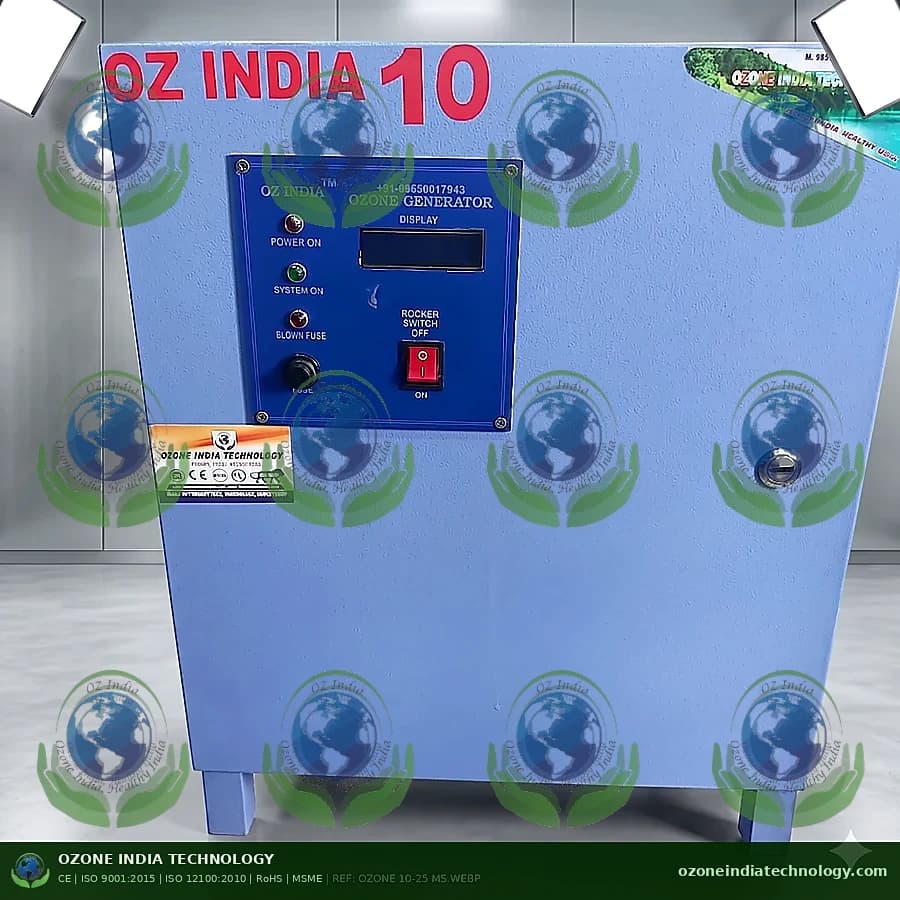
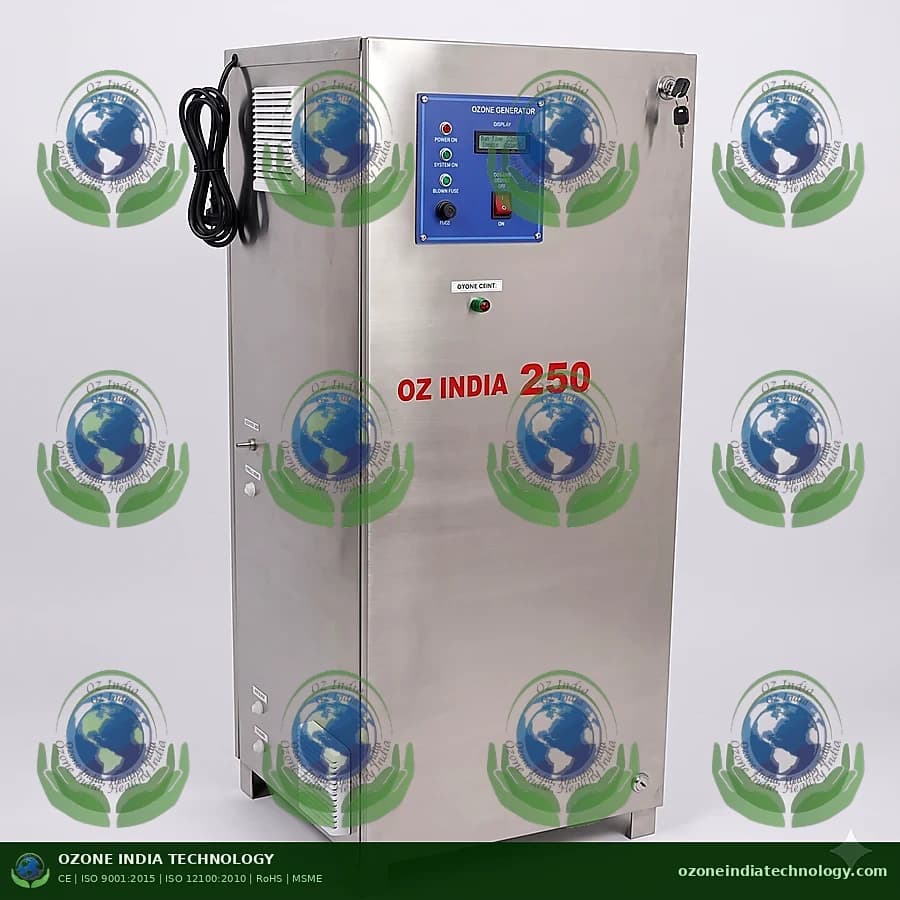
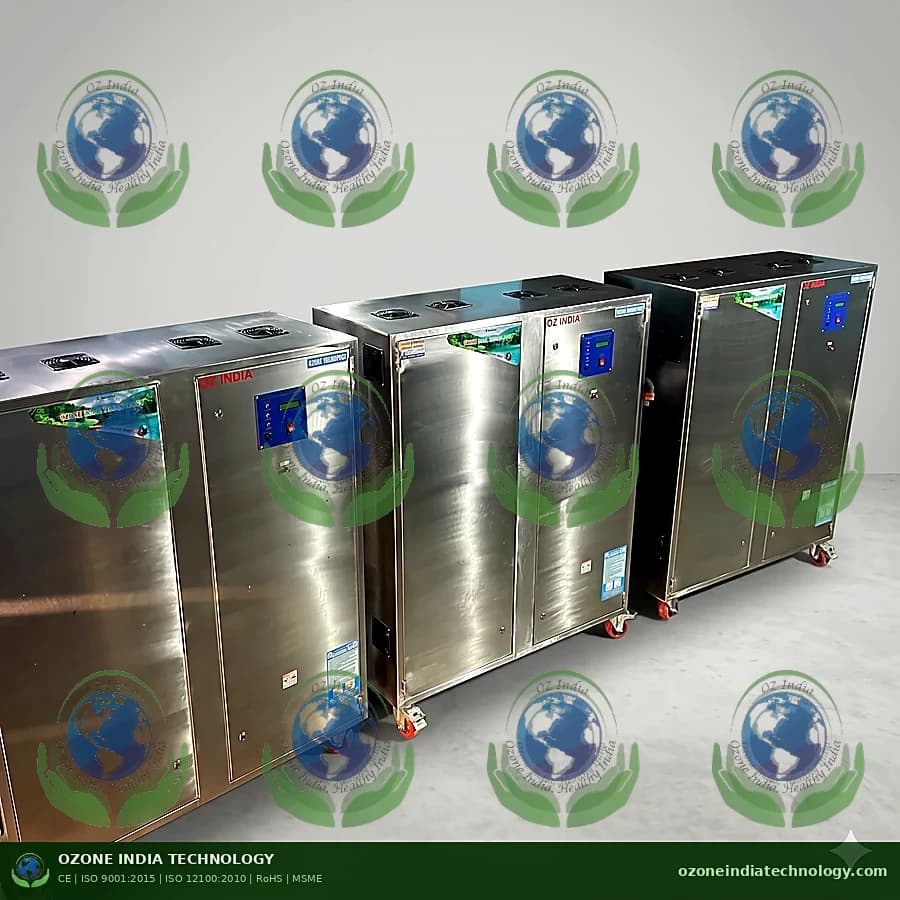
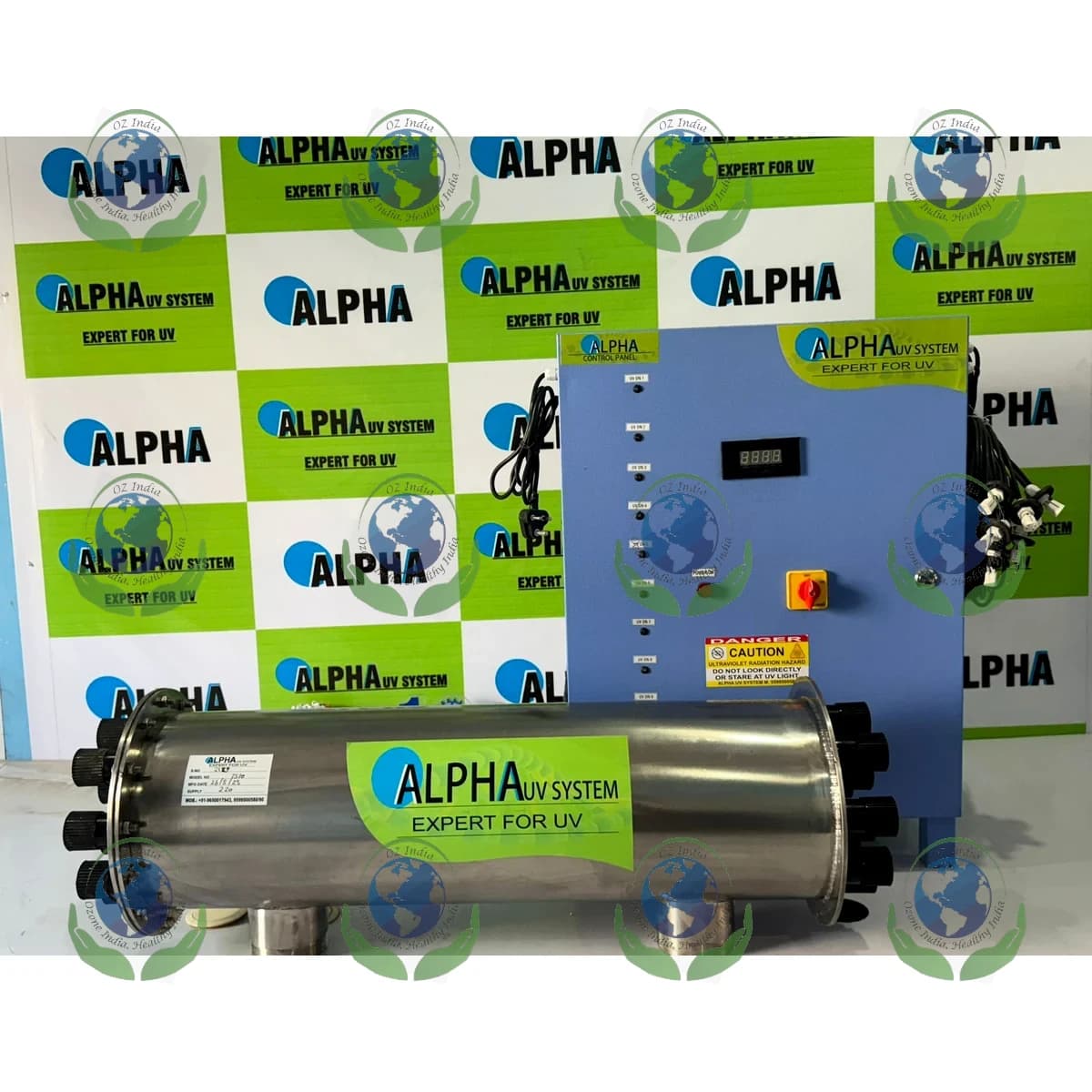
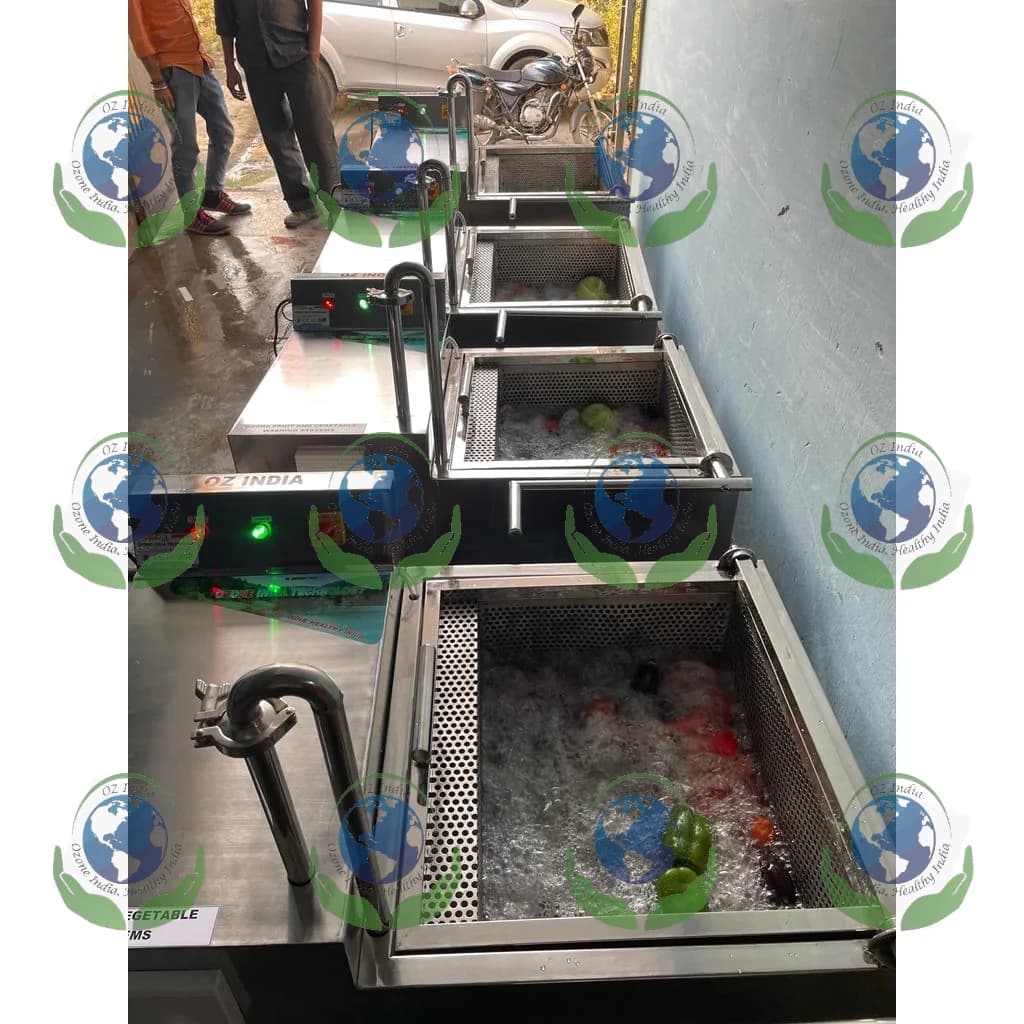
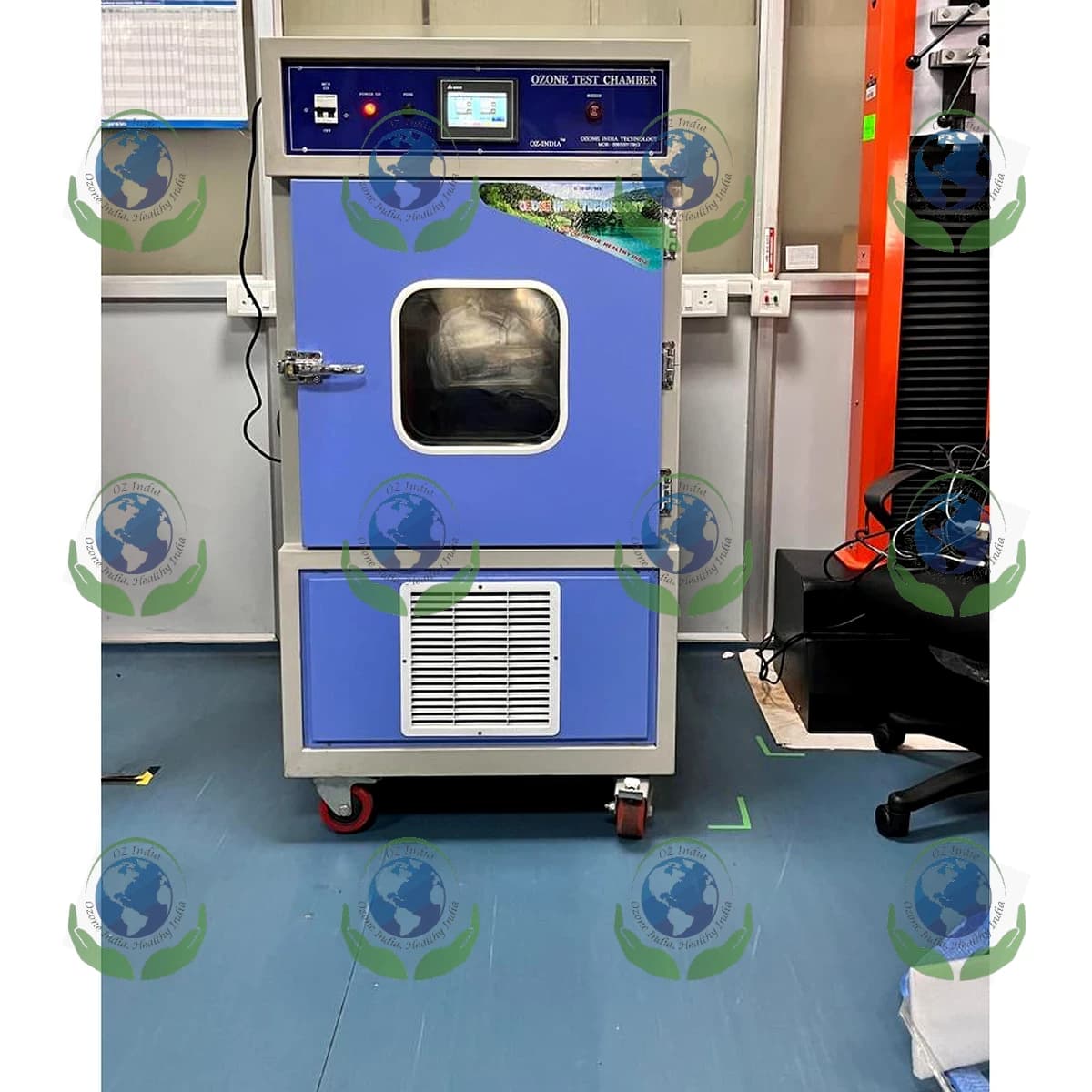
Regulatory Compliance & Why Us
SLSI — Sri Lanka Standards Institution
CE & ISO 9001:2015 certified — full documentation for:
- SLS 614
- SLSI drinking water standards
- SLS 516
CE Marking
CE-2621A
ISO 9001:2015
UQ-270426AD1
ISO 12100
UQ-27426AD89
RoHS
QA-2704A2
Why Ozone India Technology for Sri Lanka?
India-Sri Lanka proximity — shortest export route with Colombo port customs documentation provided
CE marking satisfies EU buyer requirements for all Sri Lankan seafood and food exporters
SLSI-compatible import documentation supplied for all water purification and food safety systems
Chemical-free systems ideal for remote tea estates with limited supply chain access
No minimum order — suitable for small exporters through large food processing manufacturers
Industry Applications in Sri Lanka
Industry
Overview
Sri Lanka · Asia
Sri Lanka occupies a singular position in global commodity trade for an island of its size: the nation is the world's 4th largest tea producer and exporter, with tea export revenues reaching USD 1.25 billion in 2022 according to the Sri Lanka Tea Board. Seafood exports contributed USD 420 million in the same year (Ministry of Fisheries and Aquatic Resources Development, MFARD), while rubber exports added USD 700 million+. Colombo Port, operated by the Sri Lanka Ports Authority (SLPA), processed over 7 million TEU in 2022, establishing the island as a critical transhipment hub for the Indian Ocean region. This export-intensive economy places acute pressure on food safety, water quality, and environmental compliance systems — particularly as the EU accounts for more than 30% of Sri Lanka's seafood export market and enforces its most stringent import verification regime on products from developing-country suppliers.
Sri Lanka's fisheries sector — spanning coastal artisanal fisheries, offshore tuna long-lining, shrimp aquaculture, and ornamental fish exports — faces persistent post-harvest loss challenges estimated at 20–30% of landed catch due to inadequate icemaking capacity, contaminated process water, and inconsistent cold-chain infrastructure in rural coastal zones. Tea processing factories confront a different but equally serious water challenge: the pekoe and orthodox tea manufacturing process uses significant volumes of process water for withering, rolling, and washing operations, and effluent from tea factories — high in tannins, biological oxygen demand, and colour — requires treatment before discharge into the ecologically sensitive streams of the central highlands. The Sri Lanka Standards Institution (SLSI) and the Central Environmental Authority (CEA) are the primary bodies setting and enforcing water quality and effluent standards, with the National Water Supply and Drainage Board (NWSDB) governing public drinking water supply.
Sri Lanka's regulatory framework for water and food safety is anchored by SLSI SLS 614, the Sri Lanka Standard for Potable Water, which specifies microbiological limits (total coliforms 0/100 mL, E. coli 0/100 mL), physical parameters (turbidity ≤5 NTU, colour ≤15 TCU), and chemical limits aligned with WHO 4th Edition guidelines. The Sri Lanka Food Act No. 26 of 1980 (and its subsequent amendments) governs food manufacturing GMP, with the Food Control Administration Unit (FCAU) under the Ministry of Health conducting facility inspections. For EU seafood export eligibility, Sri Lanka's National Aquatic Resources Research and Development Agency (NARA) and the MFARD conduct competent authority audits against EU Regulation (EC) No 854/2004, with the European Commission periodically reviewing Sri Lanka's equivalence status. The CEA sets industrial effluent limits under the National Environmental Act — tea factory effluent BOD limit is 30 mg/L, and colour discharge is restricted to maintain river aesthetic quality.
Ozone technology addresses Sri Lanka's converging water quality challenges across tea processing, seafood handling, and drinking water supply in a unified, chemical-free framework. For tea factories in Nuwara Eliya, Kandy, and Ratnapura districts, ozone treatment of factory effluent oxidises tannin-derived colour compounds and reduces BOD from typical raw effluent levels of 2,000–8,000 mg/L toward CEA discharge compliance at 30 mg/L — a reduction achievable through ozone-integrated fixed-film biological treatment. For coastal seafood processors in Negombo, Beruwala, and Mirissa, ozonated ice and ozonated wash water extend the shelf life of yellowfin tuna, reef fish, and shrimp by 3–6 days relative to conventional ice, reducing post-harvest losses and meeting the EU seafood import microbiological standards that represent Sri Lanka's most demanding export compliance requirement. For rural NWSDB distribution zones and peri-urban private water utilities, ozone final disinfection provides pathogen control compliant with SLS 614 without the taste and odour problems of chlorine — a critical quality differentiator for the growing premium bottled water market.
Sri Lanka's 100-kilometre sea proximity to India's southeastern coast represents the defining supply-chain advantage for procurement of Indian-manufactured ozone systems. No other equipment origin point in the world offers delivery windows of 3–5 business days by sea freight via Colombo Port, reducing working capital requirements for replacement parts, lowering freight insurance costs, and enabling just-in-time spares strategies that European equipment suppliers cannot match at any price point. CE-certified, ISO 9001:2015-qualified ozone systems from Ozone India Technology meet the conformity requirements of both SLSI procurement criteria and the EU competent authority documentation reviewed during Sri Lanka's fisheries equivalence assessments. At delivered cost, Indian-manufactured systems are 50–65% less expensive than German or Dutch alternatives — savings that allow Sri Lankan seafood exporters and tea processors to deploy ozone treatment across multiple production lines rather than restricting adoption to a single bottleneck application. Shared cultural and commercial familiarity across the Palk Strait further simplifies technical commissioning, training, and after-sales support — providing a partnership dynamic that European suppliers, operating across language, time zone, and regulatory-culture barriers, are structurally unable to replicate.
Sourced Data
Sri Lanka — Market Statistics
All figures sourced from WHO, FAO, World Bank, and national agencies.
- Annual Tea Export Revenue
- USD 1.25 billion
- Annual Seafood Export Revenue
- USD 420 million
- Annual Rubber Export Revenue
- USD 700M+
- Colombo Port Annual Throughput
- 7M+ TEU
- EU Share of Sri Lanka Seafood Exports
- 30%+ of total seafood exports
- Sea Distance from India (Nearest Port)
- ~100 km (Adam's Bridge / Palk Strait)
Sri Lanka Tea Board, Annual Performance Report — Tea Industry Statistics · 2022
Ministry of Fisheries and Aquatic Resources Development (MFARD), Annual Fisheries Statistics · 2022
Rubber Development Department, Ministry of Plantation Industries, Annual Statistics · 2022
Sri Lanka Ports Authority (SLPA), Port of Colombo Annual Report · 2022
Ministry of Fisheries and Aquatic Resources Development (MFARD), Export Market Analysis · 2022
National Geographic / Admiralty Charts — Indian Ocean, Bay of Bengal · 2022
Peer-Reviewed Evidence
Research & Scientific Basis
Published studies supporting ozone treatment in Sri Lanka's industrial context.
Guidelines for Drinking-water Quality, 4th Edition
World Health Organization · WHO Press, Geneva · 2011
Confirmed ozone as a primary disinfectant achieving 3-log Cryptosporidium and Giardia inactivation at CT values of 0.5–1.0 mg·min/L — performance levels directly applicable to Sri Lanka's NWSDB surface water treatment facilities drawing from highland reservoirs where protozoan contamination is a seasonal concern, enabling compliance with SLS 614 microbiological limits without chlorine taste/odour in treated water.
Ozonation in Drinking Water Treatment: An Ozone-Hybrid Process
Von Gunten U · Water Research · 2003
Demonstrated that ozone applied at 1–3 mg/L in water treatment effectively oxidises natural organic matter, tannin-derived colour compounds, and micropollutants — findings with direct application to Sri Lanka's tea factory effluent treatment challenge where tannin BOD (2,000–8,000 mg/L) and characteristic reddish-brown colour must be reduced to meet Central Environmental Authority discharge limits of BOD ≤30 mg/L and colour ≤150 Pt-Co before discharge into highland river systems.
Inactivation of Foodborne Pathogens in Seafood by Ozone Treatment: A Review
Kim JG, Yousef AE, Dave S · Journal of Food Protection · 1999
Established that aqueous ozone at 1–2 mg/L applied as a wash treatment achieves 3–5 log reduction of Salmonella, Listeria, and Vibrio on seafood surfaces, extending shelf life by 3–6 days — performance data directly applicable to Sri Lanka's coastal fish processing facilities at Negombo and Beruwala where post-harvest losses of 20–30% and EU microbiological import standards for yellowfin tuna and shrimp represent the primary operational challenges.
Parameter Compliance
SLSI Regulatory Parameters
How our certified systems perform against Sri Lanka's official limits.
| Parameter | SLSI Limit | Our System Output | Standard |
|---|---|---|---|
| Total Coliforms (Potable Water) | 0 per 100 mL | Non-detectable (ND) | SLSI SLS 614 — Sri Lanka Standard for Potable Water |
| E. coli (Potable Water) | 0 per 100 mL | Non-detectable (ND) | SLSI SLS 614 / WHO 4th Edition Guidelines |
| Turbidity (Potable Water) | ≤5 NTU (≤1 NTU preferred) | ≤0.5 NTU post-ozonation + filtration | SLSI SLS 614 |
| Tea Factory Effluent BOD | ≤30 mg/L | Ozone pre-treatment reduces BOD 60–70% for downstream biotreatment compliance | Central Environmental Authority (CEA) — National Environmental Act |
| Salmonella in Seafood (Export) | Absent in 25 g | 3–5 log reduction via ozone surface wash | EU Regulation (EC) No 2073/2005 / MFARD Export Competent Authority |
| Colour (Potable Water) | ≤15 TCU | Colour oxidised to ≤5 TCU post-ozonation | SLSI SLS 614 |
Sector Breakdown
Industry Applications in Sri Lanka
Key sectors, production scale, and how ozone technology addresses each challenge.
| Sector | Scale / Value | Challenge | Our Solution |
|---|---|---|---|
| Tea Processing & Factory Effluent | USD 1.25B (export) | High-tannin effluent BOD 2,000–8,000 mg/L; CEA discharge limits; highland river ecosystem protection | Ozone pretreatment oxidises tannins and colour; reduces BOD 60–70% for biotreatment compliance with CEA BOD ≤30 mg/L limit |
| Marine & Coastal Fisheries Processing | USD 420M (export) | Post-harvest losses 20–30%; EU microbiological import standards; contaminated ice and process water | Ozonated ice and ozonated wash water extend shelf life 3–6 days; achieve EU-compliant ND pathogen results for tuna and reef fish |
| Shrimp Aquaculture (North-West Coast) | USD 80M+ (export + domestic) | Vibrio and white spot disease in hatcheries; antibiotic residue bans in EU buyers | Ozone-dosed RAS water at 0.05–0.1 mg/L; eliminates Vibrio without antibiotics; supports EU antibiotic-free certification |
| Bottled Water & Premium Beverages | USD 200M+ (domestic market) | Chlorine taste/odour in treated water; THM formation; SLS 614 compliance for premium brands | Ozone final disinfection achieves SLS 614 microbiological compliance without THMs; superior taste profile for premium brand positioning |
| Rubber Processing Effluent | USD 700M+ (rubber export) | High-ammonia, high-BOD effluent from latex processing; CEA compliance; odour from H₂S | Ozone oxidises H₂S and ammonia compounds; reduces BOD of rubber factory effluent for CEA-compliant discharge |
| Municipal Water Supply (NWSDB) | Public utility infrastructure | Seasonal turbidity spikes from highland runoff; protozoan contamination risk; rural distribution zones | Ozone primary disinfection achieves 3-log Giardia inactivation per WHO guidelines; deployable to both centralised plants and decentralised rural stations |
Tea Processing & Factory Effluent
USD 1.25B (export)
High-tannin effluent BOD 2,000–8,000 mg/L; CEA discharge limits; highland river ecosystem protection
Ozone pretreatment oxidises tannins and colour; reduces BOD 60–70% for biotreatment compliance with CEA BOD ≤30 mg/L limit
Marine & Coastal Fisheries Processing
USD 420M (export)
Post-harvest losses 20–30%; EU microbiological import standards; contaminated ice and process water
Ozonated ice and ozonated wash water extend shelf life 3–6 days; achieve EU-compliant ND pathogen results for tuna and reef fish
Shrimp Aquaculture (North-West Coast)
USD 80M+ (export + domestic)
Vibrio and white spot disease in hatcheries; antibiotic residue bans in EU buyers
Ozone-dosed RAS water at 0.05–0.1 mg/L; eliminates Vibrio without antibiotics; supports EU antibiotic-free certification
Bottled Water & Premium Beverages
USD 200M+ (domestic market)
Chlorine taste/odour in treated water; THM formation; SLS 614 compliance for premium brands
Ozone final disinfection achieves SLS 614 microbiological compliance without THMs; superior taste profile for premium brand positioning
Rubber Processing Effluent
USD 700M+ (rubber export)
High-ammonia, high-BOD effluent from latex processing; CEA compliance; odour from H₂S
Ozone oxidises H₂S and ammonia compounds; reduces BOD of rubber factory effluent for CEA-compliant discharge
Municipal Water Supply (NWSDB)
Public utility infrastructure
Seasonal turbidity spikes from highland runoff; protozoan contamination risk; rural distribution zones
Ozone primary disinfection achieves 3-log Giardia inactivation per WHO guidelines; deployable to both centralised plants and decentralised rural stations
Ready to export to Sri Lanka
Deploy Ozone Technology in Sri Lanka
CE & ISO 9001:2015 certified. Full export documentation. Factory-direct from Greater Noida, India.