Africa · SABS
Ozone Generator for South Africa — Industrial Water Treatment & Municipal Applications
South Africa's water scarcity and strict NEMA environmental regulations make ozone treatment an ideal solution for both potable water (SANS 241) and industrial effluent. Wine, fruit, and meat processing exporters to EU markets require CE-certified sanitation equipment. Our systems are compatible with SABS mark requirements and come with full CE Declaration of Conformity for import clearance.
- CE Marking
- ISO 9001:2015
- ISO 12100
- RoHS
USD 2.4 billion
Annual fruit export value
Perishable Products Export Control Board (PPECB) · 2022
6,000+ mines
Abandoned mines contributing to acid mine drainage
Department of Mineral Resources and Energy (DMRE) South Africa · 2020
4.6 million residents
Cape Town municipal population at Day Zero risk
City of Cape Town / DWS · 2018
Challenges and Solutions for South Africa
Key Challenges in South Africa
SANS 241 drinking water standards require advanced treatment beyond basic chlorination for municipal and industrial supply
NEMA environmental regulations impose strict limits on acid mine drainage and industrial effluent discharge
Wine, fruit, and meat exporters to EU require CE-certified sanitation equipment under EC Regulation 852/2004
Recurring droughts demand water reuse and recycling systems across municipalities and industry
How We Solve It
Ozone generators achieve SANS 241 potable water quality without chlorination byproducts
Industrial ozone ETPs treat mining and manufacturing effluent to NEMA-compliant discharge levels
CE-certified ozone fruit washers, vegetable sterilisers, and food processing systems for EU export compliance
Ozone-enabled water reuse systems reduce freshwater consumption in drought-prone regions
Recommended
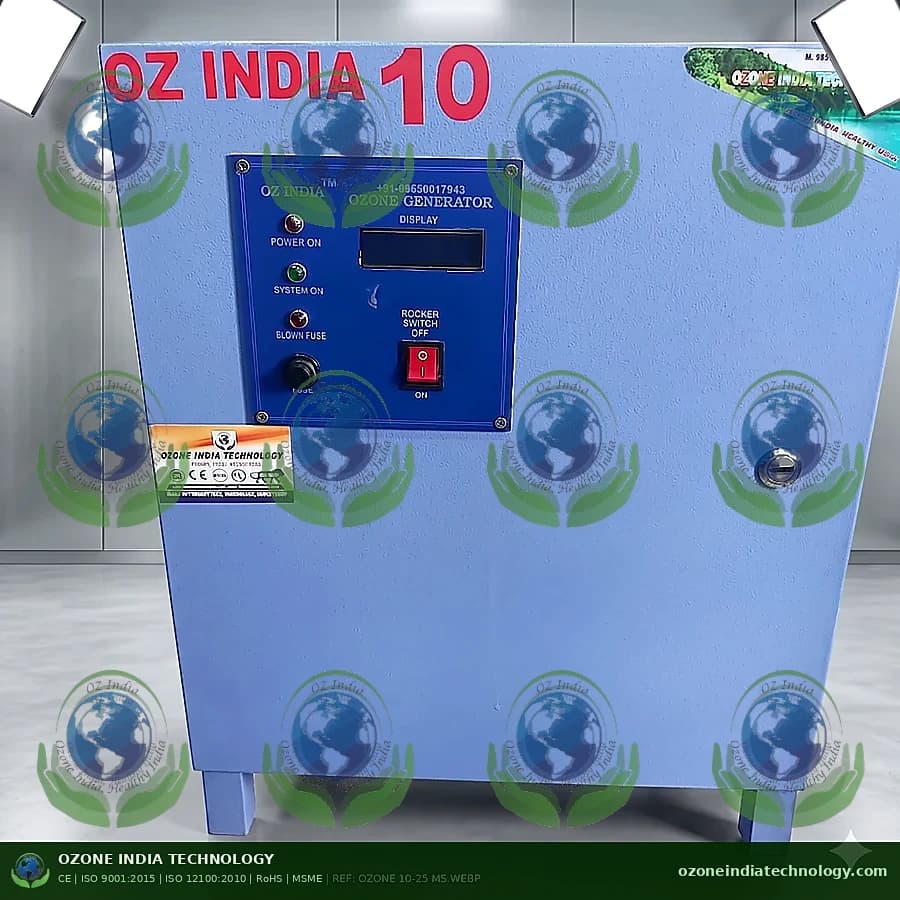
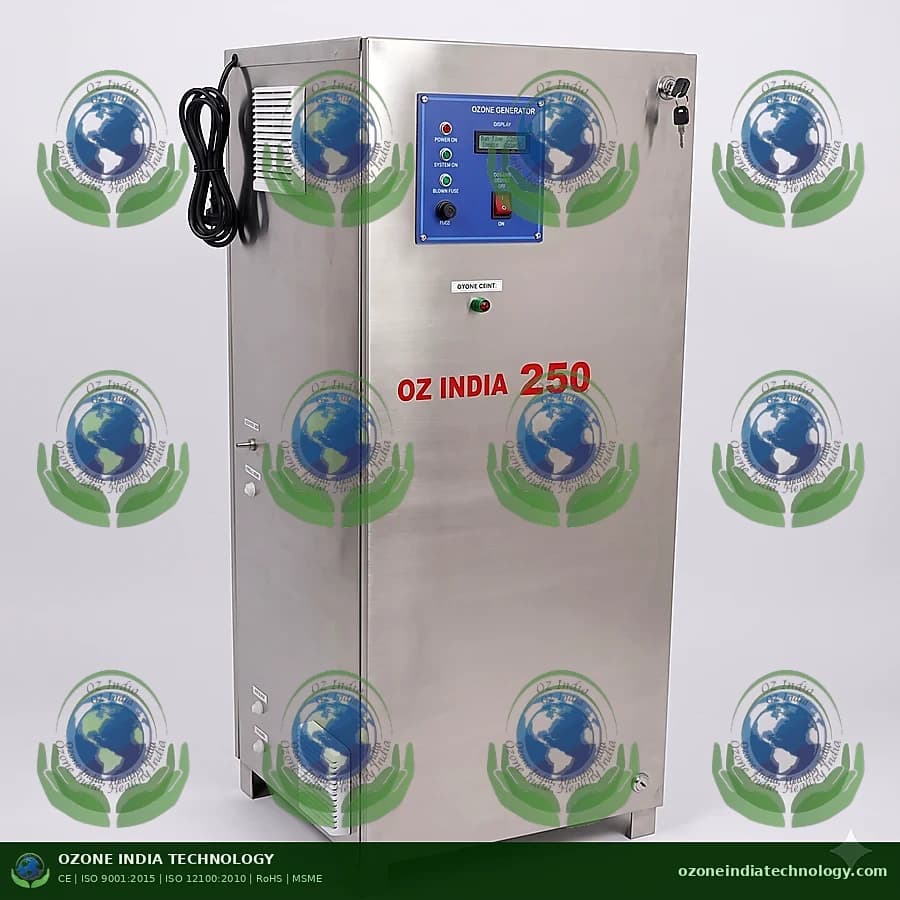
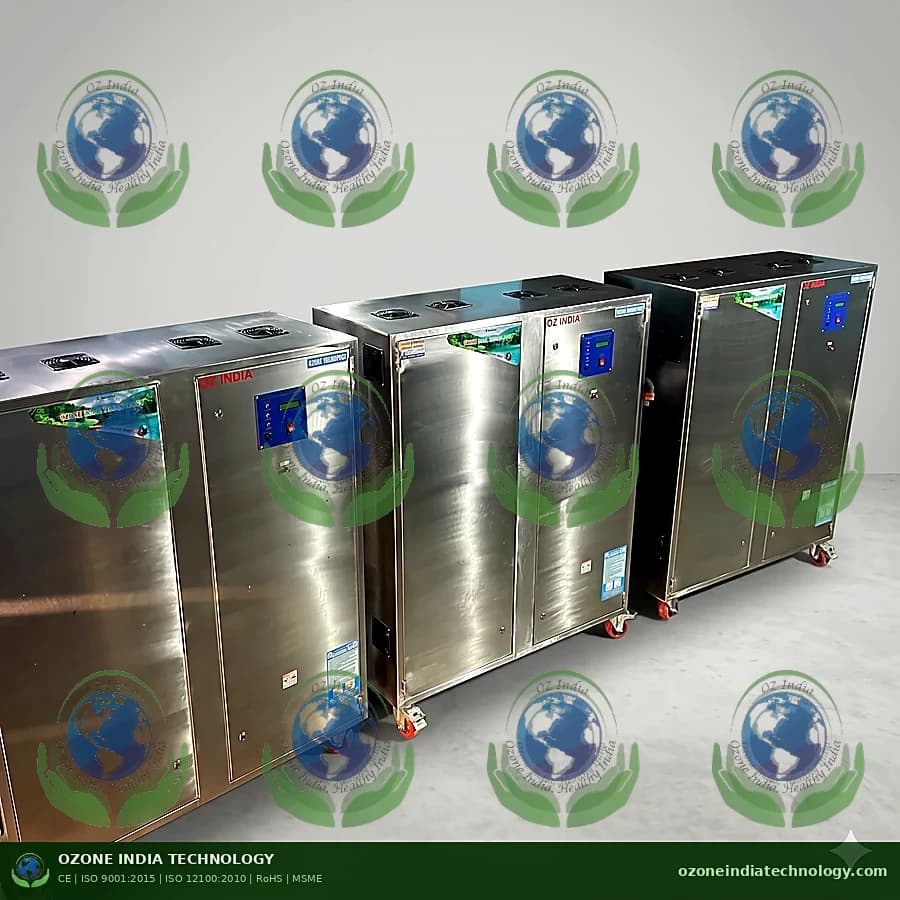
Products for South Africa
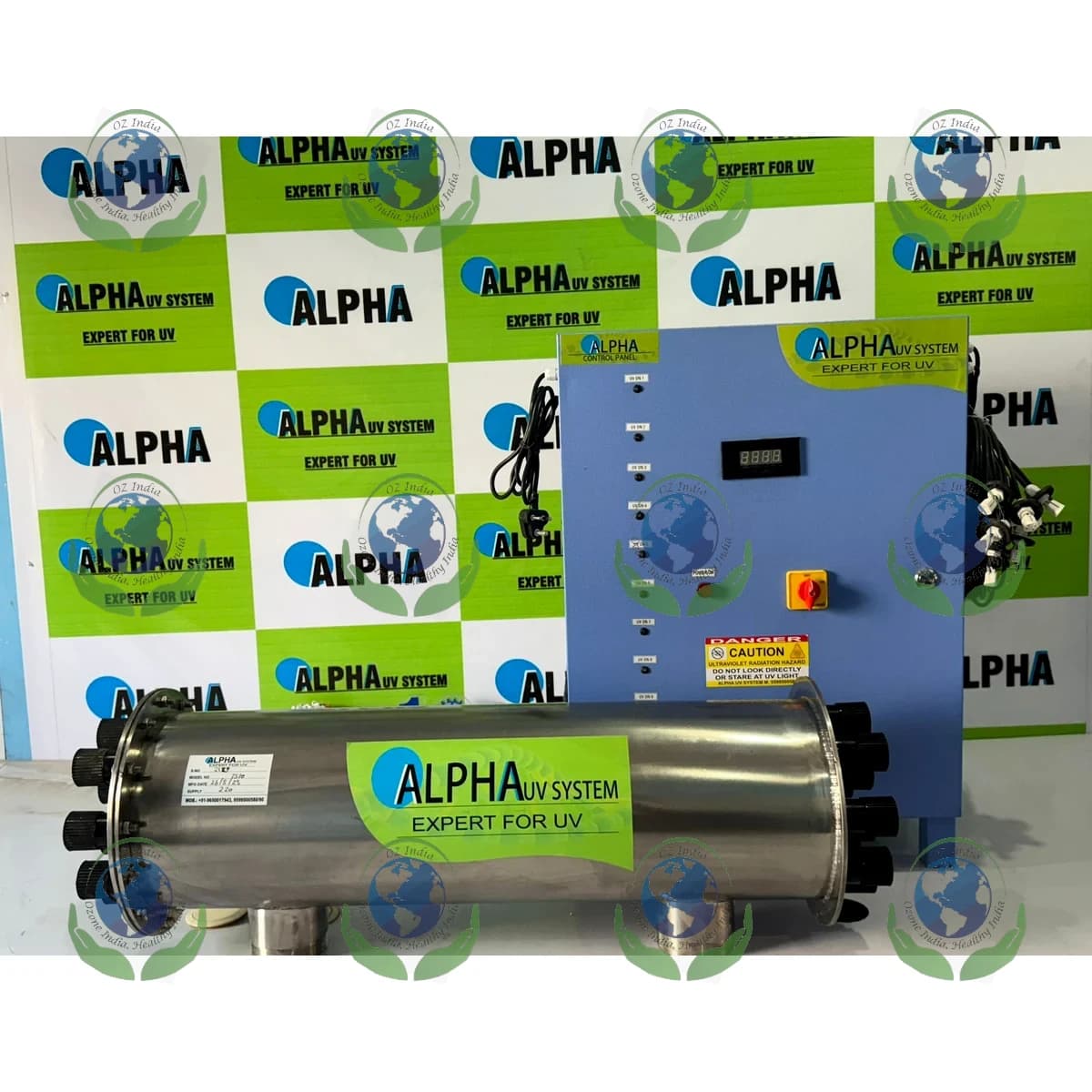
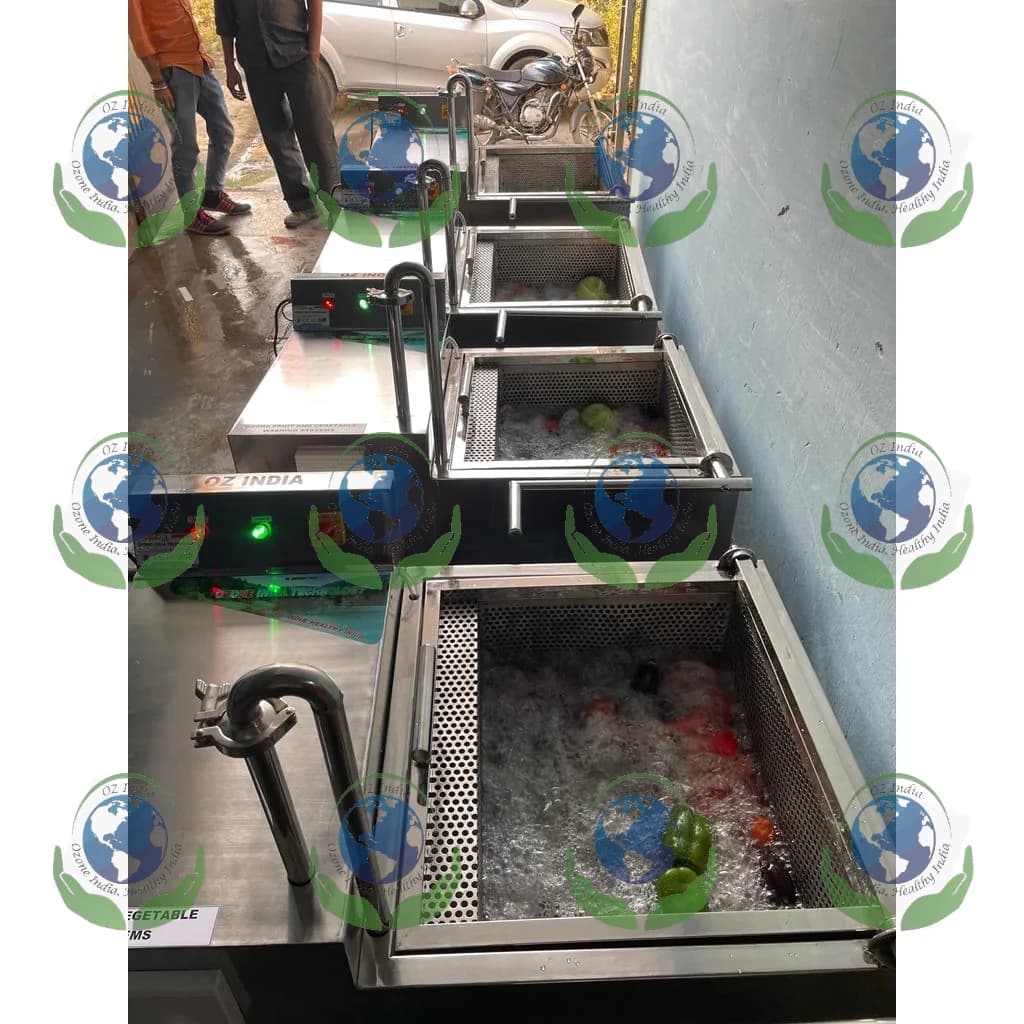
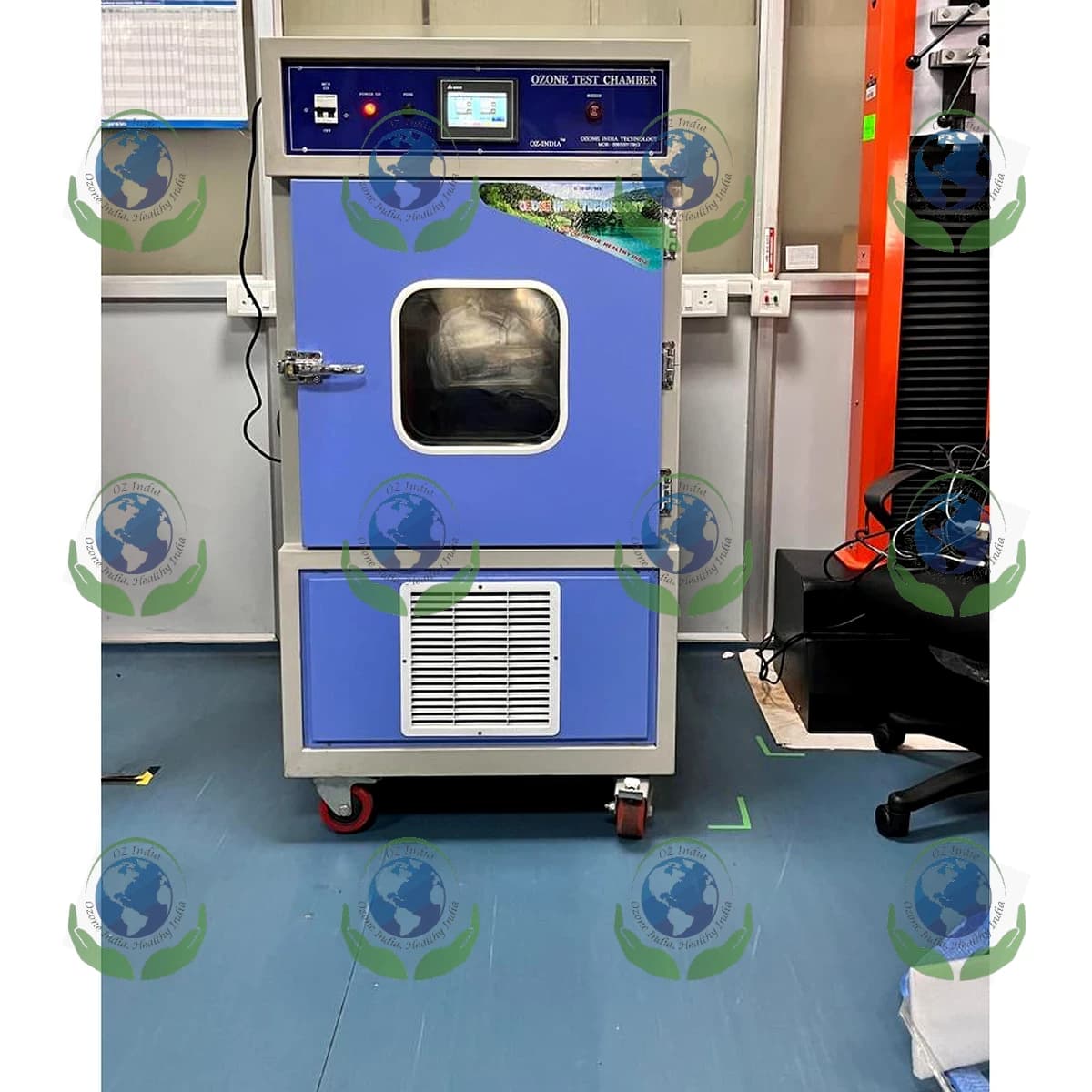
Regulatory Compliance & Why Us
SABS — South African Bureau of Standards
CE & ISO 9001:2015 certified — full documentation for:
- SANS 241
- SABS ISO 9001
- NEMA regulations
CE Marking
CE-2621A
ISO 9001:2015
UQ-270426AD1
ISO 12100
UQ-27426AD89
RoHS
QA-2704A2
Why Ozone India Technology for South Africa?
CE Declaration of Conformity accepted for SABS import clearance — full documentation provided
ISO 9001:2015 quality system matching South African industrial and government procurement requirements
India-South Africa established trade corridor with reliable Durban and Cape Town port shipping timelines
Systems sized from small farm applications (2g/hr) to large municipal installations (10 kg/hr+)
No minimum order — single-unit CE exports with full documentation
Industry Applications in South Africa
Industry
Overview
South Africa · Africa
South Africa operates one of the most technically sophisticated water sectors on the African continent, governed by the National Water Act (Act 36 of 1998) and the Water Services Act (Act 108 of 1997), with the Department of Water and Sanitation (DWS) as the national regulator. Drinking water quality is governed by SANS 241:2015, the South African National Standard for drinking water, which is closely aligned with WHO 2011 guidelines and includes operational and analytical compliance tiers that demand consistent monitoring. Despite this regulatory maturity, the country faces acute water stress: the 2018 Cape Town 'Day Zero' crisis — when the city came within weeks of shutting off municipal taps to its 4.6 million residents — exposed the existential fragility of surface water-dependent municipal systems. The Vaal Dam system serving Gauteng, home to the country's industrial heartland and approximately 16 million people, regularly operates below 50% capacity during drought cycles. Acid mine drainage from over 6,000 abandoned mines in the Witwatersrand goldfields continues to contaminate groundwater and streams with elevated sulphate, iron, and heavy metals.
South Africa's agricultural export sector is a cornerstone of foreign exchange earnings, anchored by fruit exports worth approximately USD 2.4 billion annually — making South Africa one of the world's top five fruit exporters — alongside wine exports (South Africa is the world's 4th or 5th largest wine producer by volume), and a substantial meat and dairy processing industry. The Perishable Products Export Control Board (PPECB) enforces strict phytosanitary and cold-chain standards for produce destined for EU, UK, and Middle Eastern markets. In the wine sector, harvest water, barrel washdown, and bottling line sanitation all require reliable, consistent microbial control without chemical residues that interfere with wine chemistry. Citrus exports from the Western Cape and Eastern Cape face strict EU Citrus Black Spot (CBS) phytosanitary protocols, where ozone washing of fruit surfaces has proven effective in reducing fungal spore loads without the post-harvest chemical residues that trigger EU border rejections.
The regulatory framework governing industrial water and food safety in South Africa is among the most rigorous in Africa. SANS 241:2015 sets drinking water operational and analytical compliance requirements with specific limits for coliforms, turbidity, pH, nitrate, fluoride, and residual disinfectant. The National Environmental Management Act (NEMA, Act 107 of 1998) and the National Water Act govern industrial effluent; General Authorisation (GA) under the National Water Act sets effluent quality criteria before discharge to water resources. The Department of Agriculture, Land Reform and Rural Development (DALRRD) and the PPECB enforce export produce standards. The South African Bureau of Standards (SABS) administers SANS standards and equipment type approval processes. CE-marked equipment enjoys recognition in SABS technical submissions and in DALRRD GLOBALGAP facility assessments, simplifying procurement compliance for South African agri-processors with established export supply chains.
Ozone technology offers specific technical solutions to South Africa's two most distinctive water challenges: acid mine drainage treatment and agricultural postharvest disinfection. Acid mine drainage (AMD) — characterised by pH as low as 2, iron concentrations exceeding 300 mg/L, and sulphate at 2,000–5,000 mg/L — can be pre-treated with ozone to oxidise ferrous to ferric iron (enabling precipitation) and to break down sulphide compounds, reducing the load on subsequent neutralisation and reverse osmosis steps. In the fruit export sector, aqueous ozone at 0.5–2 ppm in postharvest wash and dip tanks eliminates fungal pathogens including Botrytis cinerea on grapes and Penicillium digitatum on citrus without leaving any detectable residue that triggers EU MRL violations. For the wine industry, ozone-based Clean-In-Place (CIP) systems for barrels and stainless steel tanks replace hot water and sulphite rinses, reducing water consumption by 30–40% — critical in the drought-constrained Western Cape.
Indian CE-certified ozone equipment connects to South Africa's procurement landscape through multiple channels. South Africa's National Treasury's Preferential Procurement Policy Framework does not restrict foreign capital equipment in categories where domestic manufacturing capacity is absent — and no South African manufacturer produces industrial ozone generators, creating an open import market. The India-Southern African Customs Union (SACU) Preferential Trade Agreement has progressively reduced tariff friction on industrial machinery. South African buyers are experienced importers, familiar with DDP (Delivered Duty Paid) or CIF (Cost Insurance Freight) terms from Asian suppliers, and the Durban–Nhava Sheva container shipping route is one of the highest-frequency Indian Ocean trade lanes. Ozone India Technology's CE marking and ISO 9001:2015 certification satisfy the SABS audit requirements that South African food manufacturers face during FSSC 22000 and BRCGS Global Standard certification inspections, where water treatment equipment documentation forms part of the evidence pack.
Sourced Data
South Africa — Market Statistics
All figures sourced from WHO, FAO, World Bank, and national agencies.
- Annual fruit export value
- USD 2.4 billion
- Abandoned mines contributing to acid mine drainage
- 6,000+ mines
- Cape Town municipal population at Day Zero risk
- 4.6 million residents
- South Africa global wine production ranking
- 4th–5th largest globally
- Drinking water standard in force
- SANS 241:2015 (WHO-aligned)
- Acid mine drainage iron concentration (Witwatersrand)
- Up to 300+ mg/L Fe (vs. SANS limit 0.3 mg/L)
Perishable Products Export Control Board (PPECB) · 2022
Department of Mineral Resources and Energy (DMRE) South Africa · 2020
City of Cape Town / DWS · 2018
International Organisation of Vine and Wine (OIV) · 2022
South African Bureau of Standards (SABS) · 2015
CSIR South Africa / DWS · 2019
Peer-Reviewed Evidence
Research & Scientific Basis
Published studies supporting ozone treatment in South Africa's industrial context.
Ozonation of Drinking Water: Part I. Oxidation Kinetics and Product Formation
Von Gunten, U. · Water Research · 2003
Established ozone's superior kinetics for oxidising ferrous iron and mineralising natural organic matter — findings directly applicable to South Africa's acid mine drainage challenge where dissolved iron from abandoned Witwatersrand gold mines exceeds SANS 241:2015 limits by orders of magnitude. The paper's CT (concentration × time) models are used in South African DWS-approved AMD pre-treatment plant designs.
Application of Ozone for Enhancement of the Microbiological Safety and Quality of Fresh Fruits and Vegetables
Kim, J.G., Yousef, A.E., Dave, S. · Journal of Food Protection · 1999
Demonstrated that aqueous ozone at 1–2 ppm achieves 3–5 log reduction of surface moulds and bacteria on fresh produce without detectable chemical residues. Directly applicable to South Africa's PPECB-regulated citrus and table grape export sector, where Botrytis, Penicillium, and Colletotrichum surface contamination causes consignment rejections at EU ports, and where ozone offers a residue-free alternative to fungicide dip treatments.
Guidelines for Drinking-water Quality, 4th Edition
World Health Organization · WHO Press, Geneva · 2011
Establishes the toxicological basis and disinfection efficacy data underlying SANS 241:2015, South Africa's national drinking water standard. The 4th edition's CT values for ozone disinfection of Cryptosporidium (the organism most relevant to South Africa's surface water systems affected by agricultural runoff) validate ozone as the preferred primary disinfectant for systems unable to achieve 2-log Cryptosporidium removal through filtration alone.
Parameter Compliance
SABS Regulatory Parameters
How our certified systems perform against South Africa's official limits.
| Parameter | SABS Limit | Our System Output | Standard |
|---|---|---|---|
| E. coli / Thermotolerant Coliforms | 0 CFU/100 mL (SANS 241:2015 Operational) | Non-detectable | SANS 241:2015 South African National Standard |
| Dissolved Iron (Fe) | 0.3 mg/L (SANS 241:2015 Aesthetic) | <0.05 mg/L | SANS 241:2015 |
| Turbidity | 4 NTU (SANS 241:2015 Operational) | <1 NTU | SANS 241:2015 |
| Effluent COD (General Authorisation, water resource discharge) | 75 mg/L (National Water Act General Authorisation) | <20 mg/L | National Water Act Act 36 of 1998 / GN 509 of 1999 |
| Effluent pH | 5.5–9.5 (General Authorisation) | 6.5–8.5 | National Water Act General Authorisation |
| Residual disinfectant (chlorine or ozone equivalent) | ≤5 mg/L Cl₂ equivalent (SANS 241:2015) | ≤0.02 mg/L residual ozone (with destruct unit) | SANS 241:2015 |
Sector Breakdown
Industry Applications in South Africa
Key sectors, production scale, and how ozone technology addresses each challenge.
| Sector | Scale / Value | Challenge | Our Solution |
|---|---|---|---|
| Citrus & Deciduous Fruit Export | USD 1.4B citrus export (PPECB / Citrus Growers' Association 2022) | Botrytis and Penicillium surface contamination causes EU border rejections; fungicide MRL violations under EU Plant Protection Regulation | Aqueous ozone postharvest dip and wash at 0.5–2 ppm; residue-free fungal spore reduction; PPECB and GlobalG.A.P. documentation compatible |
| Wine Production & Bottling (Western Cape) | ZAR 55B industry revenue (SAWIS 2022) | Drought-year water rationing restricts CIP wash cycles; chemical residues from sulphite and caustic CIP affect wine chemistry | Ozone CIP systems for barrels and stainless tanks; 30–40% less water vs. hot water CIP; zero sulphite residue; compliant with WIETA ethical standards |
| Acid Mine Drainage Treatment | Cost burden USD 3.5B+ remediation liability (DMRE 2020) | pH 2–3, Fe 100–300 mg/L, sulphate 2,000–5,000 mg/L in Witwatersrand AMD streams; exceeds SANS 241 and National Water Act limits | Ozone oxidation of Fe²⁺ to Fe³⁺ enables precipitation; oxidises sulphide to sulphate for downstream neutralisation; reduces RO membrane fouling load in primary AMD treatment |
| Brewery & Beverage (SAB, Distell, Tiger Brands) | USD 4.2B (Statistics South Africa 2022) | Johannesburg's Vaal system water high in organics and algal metabolites; ozonation required to remove taste/odour compounds | Ozone primary disinfection + activated carbon polishing for brew-water; removes geosmin and MIB algal taste compounds; eliminates chlorine demand ahead of RO systems |
| Meat Processing & Cold Chain | USD 1.8B (RMAA / DALRRD 2022) | Listeria monocytogenes contamination events (2018 outbreak linked 1,065 deaths); DALRRD mandates enhanced environmental monitoring in abattoirs | Ozone gas and aqueous systems for carcass wash, conveyor sanitation, and cold room air treatment; validated Listeria reduction on stainless contact surfaces |
| Municipal Water Treatment (Metros) | ZAR 32B DWS infrastructure budget (National Treasury 2023) | Vaal and Theewaterskloof surface water with seasonal algal blooms producing cyanotoxins; conventional chlorination forms carcinogenic THMs | Ozone as pre-chlorination replacement for algae and cyanotoxin oxidation; reduces THM formation potential by 60–80%; SANS 241 compliant output |
Citrus & Deciduous Fruit Export
USD 1.4B citrus export (PPECB / Citrus Growers' Association 2022)
Botrytis and Penicillium surface contamination causes EU border rejections; fungicide MRL violations under EU Plant Protection Regulation
Aqueous ozone postharvest dip and wash at 0.5–2 ppm; residue-free fungal spore reduction; PPECB and GlobalG.A.P. documentation compatible
Wine Production & Bottling (Western Cape)
ZAR 55B industry revenue (SAWIS 2022)
Drought-year water rationing restricts CIP wash cycles; chemical residues from sulphite and caustic CIP affect wine chemistry
Ozone CIP systems for barrels and stainless tanks; 30–40% less water vs. hot water CIP; zero sulphite residue; compliant with WIETA ethical standards
Acid Mine Drainage Treatment
Cost burden USD 3.5B+ remediation liability (DMRE 2020)
pH 2–3, Fe 100–300 mg/L, sulphate 2,000–5,000 mg/L in Witwatersrand AMD streams; exceeds SANS 241 and National Water Act limits
Ozone oxidation of Fe²⁺ to Fe³⁺ enables precipitation; oxidises sulphide to sulphate for downstream neutralisation; reduces RO membrane fouling load in primary AMD treatment
Brewery & Beverage (SAB, Distell, Tiger Brands)
USD 4.2B (Statistics South Africa 2022)
Johannesburg's Vaal system water high in organics and algal metabolites; ozonation required to remove taste/odour compounds
Ozone primary disinfection + activated carbon polishing for brew-water; removes geosmin and MIB algal taste compounds; eliminates chlorine demand ahead of RO systems
Meat Processing & Cold Chain
USD 1.8B (RMAA / DALRRD 2022)
Listeria monocytogenes contamination events (2018 outbreak linked 1,065 deaths); DALRRD mandates enhanced environmental monitoring in abattoirs
Ozone gas and aqueous systems for carcass wash, conveyor sanitation, and cold room air treatment; validated Listeria reduction on stainless contact surfaces
Municipal Water Treatment (Metros)
ZAR 32B DWS infrastructure budget (National Treasury 2023)
Vaal and Theewaterskloof surface water with seasonal algal blooms producing cyanotoxins; conventional chlorination forms carcinogenic THMs
Ozone as pre-chlorination replacement for algae and cyanotoxin oxidation; reduces THM formation potential by 60–80%; SANS 241 compliant output
Ready to export to South Africa
Deploy Ozone Technology in South Africa
CE & ISO 9001:2015 certified. Full export documentation. Factory-direct from Greater Noida, India.