
Asia · FDA Philippines
Ozone Generator for the Philippines — Aquaculture, Seafood Processing & Food Safety
The Philippines is a major tuna, milkfish, and shrimp exporter. FDA Philippines under RA 9711 requires GMP and HACCP compliance for all export food establishments. Ozone treatment meets Codex Alimentarius CAC/RCP 52-2003 (Code of Practice for Fish and Fishery Products). Our CE-certified aquaculture ozone systems reduce antibiotic dependence in milkfish and tilapia farms, supporting organic and antibiotic-free certifications increasingly demanded by US and EU buyers.
- CE Marking
- ISO 9001:2015
- ISO 12100
- RoHS
USD 1.2 billion+
Annual Seafood Export Value
Bureau of Fisheries and Aquatic Resources (BFAR), Philippine Fisheries Profile · 2022
400,000+ tonnes
Annual Milkfish (Bangus) Production
Bureau of Fisheries and Aquatic Resources (BFAR), Fisheries Statistics of the Philippines · 2022
270,000+ tonnes
Annual Tilapia Production
Bureau of Fisheries and Aquatic Resources (BFAR), Fisheries Statistics of the Philippines · 2022
Challenges and Solutions for Philippines
Key Challenges in Philippines
FDA Philippines RA 9711 requires GMP/HACCP-compliant processing for all tuna, milkfish, and shrimp export facilities
EU buyer demands for antibiotic-free seafood threaten market access for BFAR-registered aquaculture farms
Typhoon-disrupted water supplies create contamination risks for communities and food processing plants
DA-BFAR regulations require validated pathogen reduction in fish hatchery water to reduce stock mortality
How We Solve It
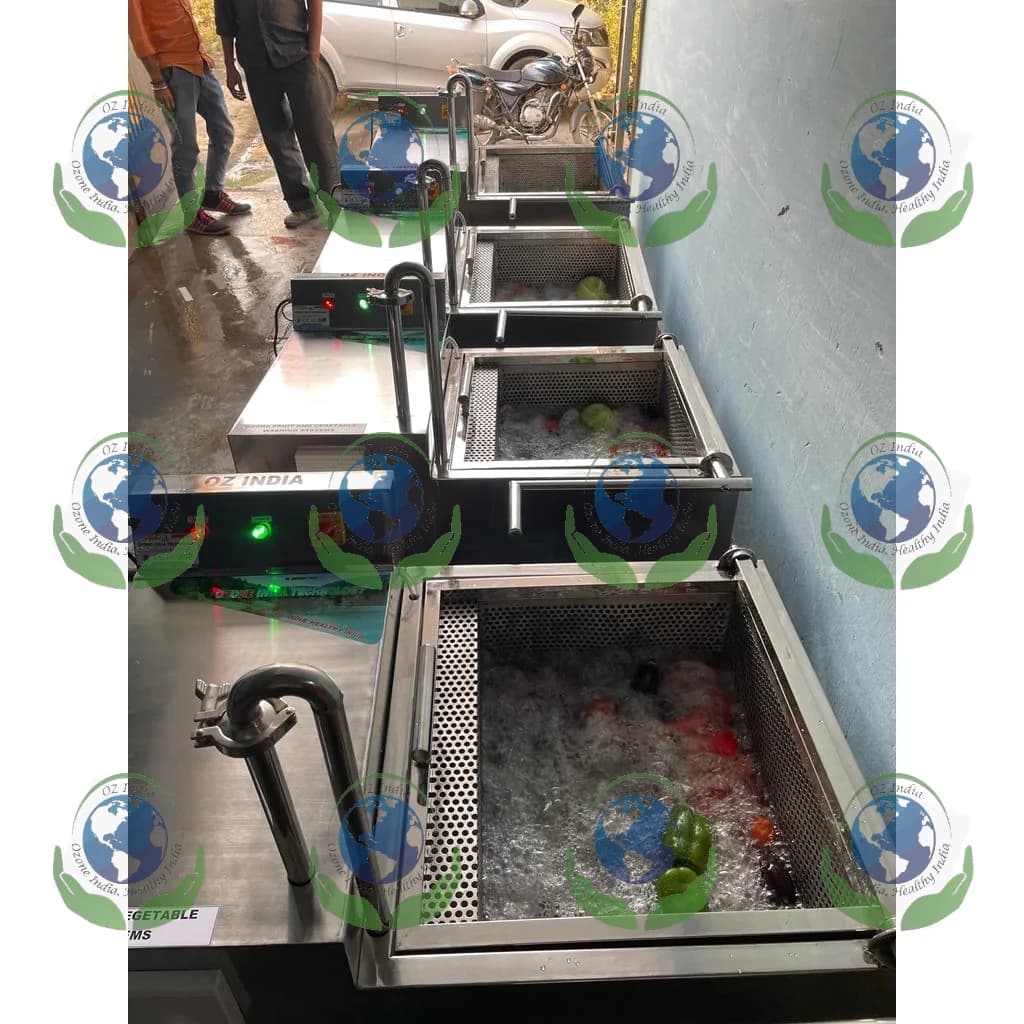
CE-certified ozone seafood washing machines for GMP/HACCP compliance in FDA Philippines-registered facilities
Ozone aquaculture systems enabling antibiotic-free milkfish and tilapia certification for EU and US buyers
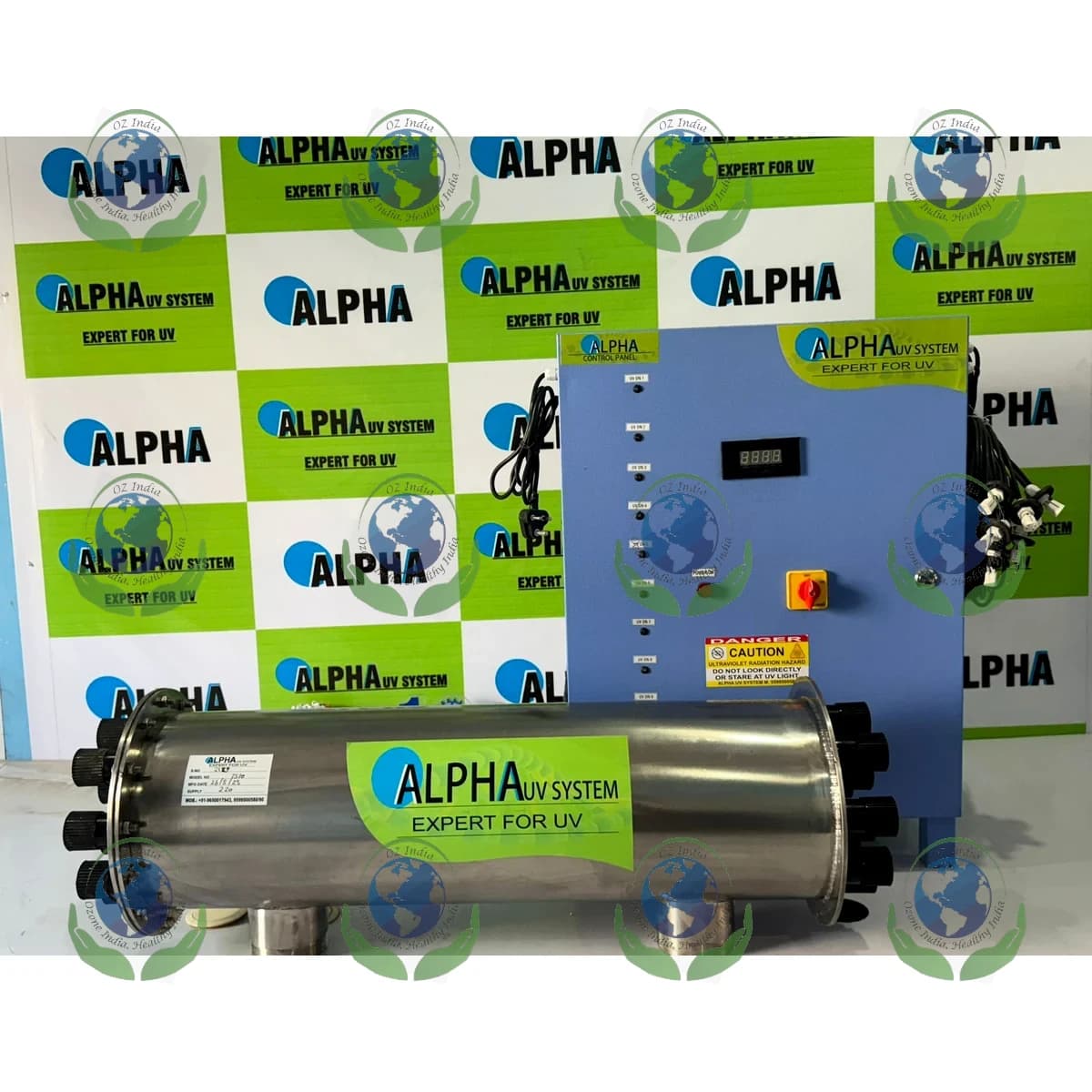
UV water purification systems providing typhoon-resilient drinking water at 100–200,000 LPH capacity
Ozone hatchery treatment systems reducing pathogen mortality and improving fish survival rates significantly
Recommended
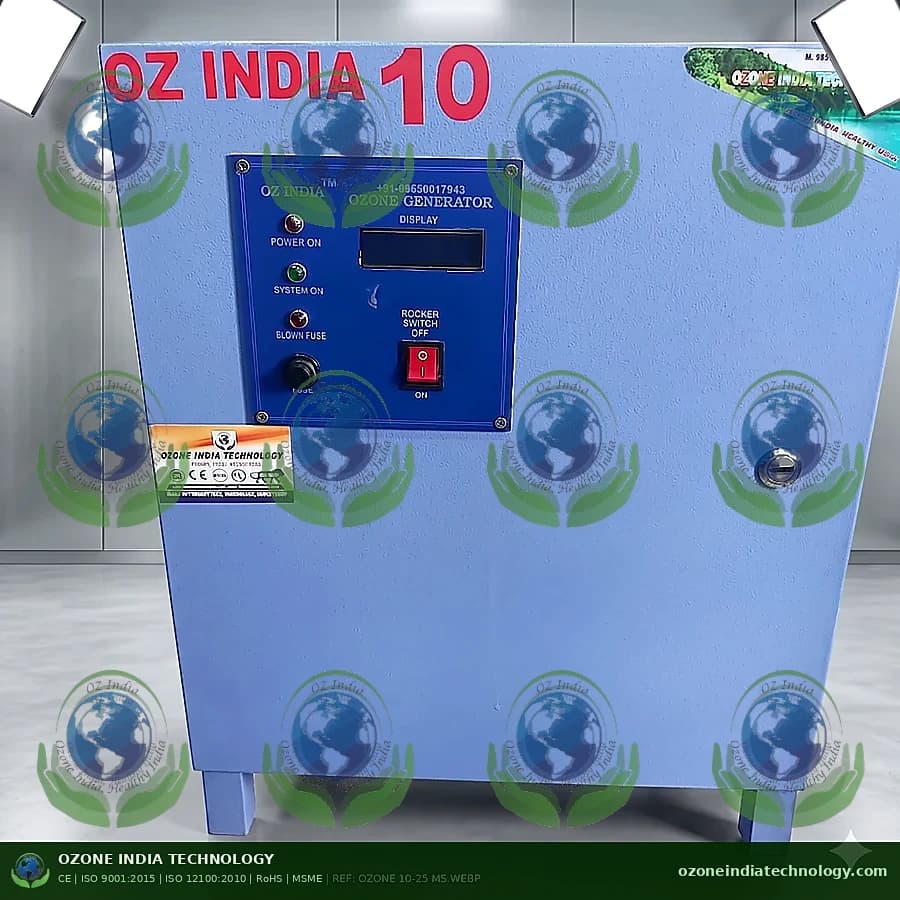
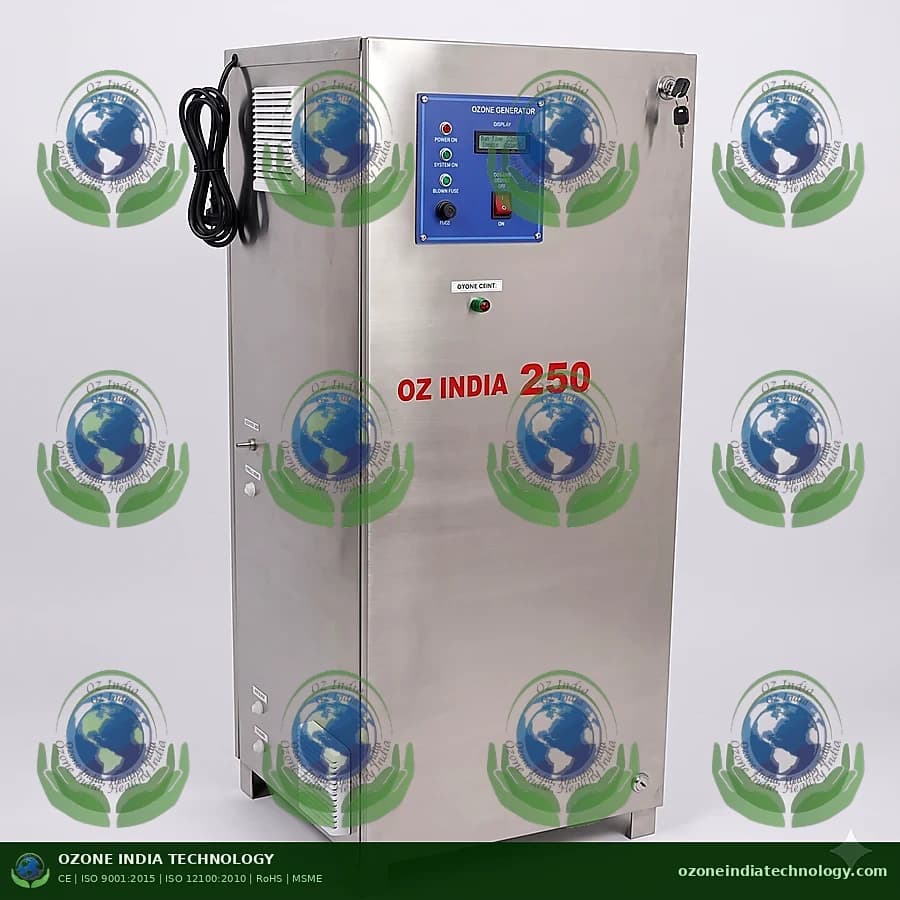
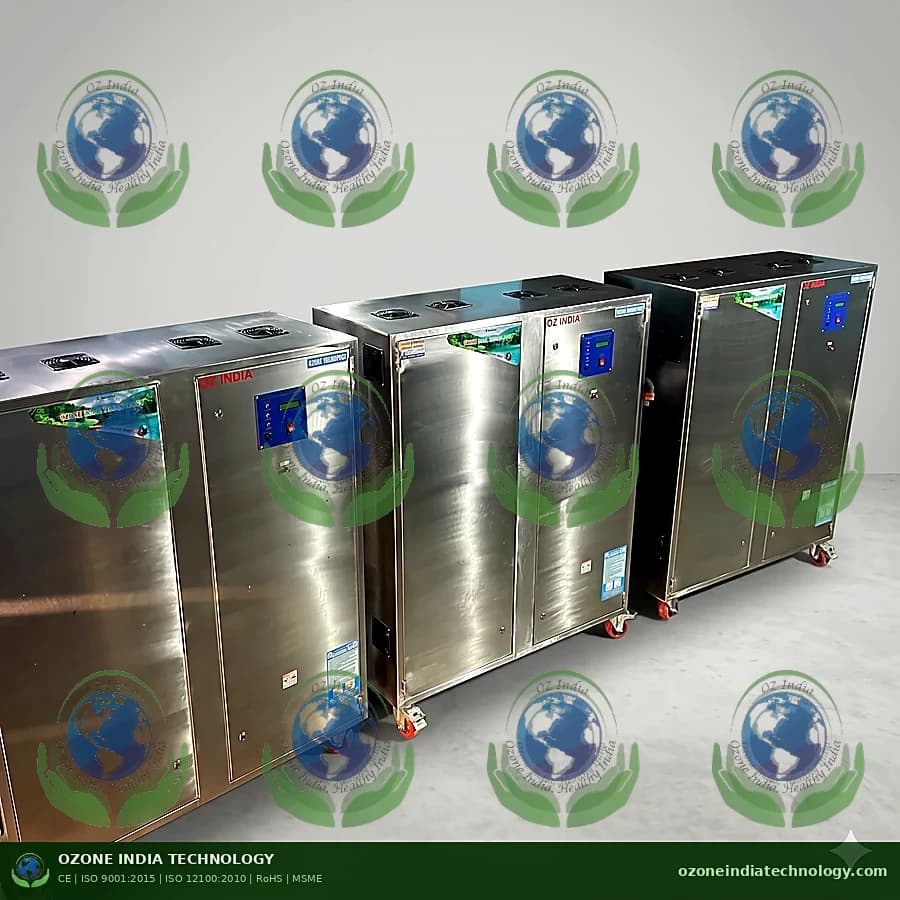
Products for Philippines
Regulatory Compliance & Why Us
FDA Philippines — Food and Drug Administration Philippines
CE & ISO 9001:2015 certified — full documentation for:
- Philippine National Standards
- FDA RA 9711
- BFAD regulations
CE Marking
CE-2621A
ISO 9001:2015
UQ-270426AD1
ISO 12100
UQ-27426AD89
RoHS
QA-2704A2
Why Ozone India Technology for Philippines?
CE marking mandatory for EU seafood buyers — our documentation satisfies FDA Philippines requirements
India-Philippines sea route — competitive freight to Manila, Cebu, and General Santos City ports
ASEAN trade framework duty benefits for CE-certified equipment imports
Proven in milkfish, tuna, and shrimp processing facilities across the Philippines
No minimum order commitment — single-unit exports with full CE and ISO documentation
Industry Applications in Philippines
Industry
Overview
Philippines · Asia
The Philippines stands as one of Southeast Asia's most significant aquatic economies, ranking as the world's 3rd largest tuna exporter according to FAO 2022 data. The country's Bureau of Fisheries and Aquatic Resources (BFAR) oversees annual milkfish (bangus) production exceeding 400,000 tonnes and tilapia output surpassing 270,000 tonnes — two commodities deeply woven into both domestic food security and export commerce. Shrimp production contributes an additional 60,000+ tonnes per year, while total seafood exports exceeded USD 1.2 billion in 2022. The nation's 7,641 islands create enormous logistical complexity for processors, who must maintain cold-chain integrity and microbial control across geographically dispersed production sites before product reaches Manila, Cebu, or Davao for consolidated export.
Philippine seafood processors face intensifying buyer scrutiny from the European Union, United States, and Japan — markets that collectively absorb the majority of high-value exports. HACCP compliance, zero-tolerance pathogen standards, and chemical residue limits impose significant operational demands on tuna canneries, milkfish processing plants, and shrimp hatcheries alike. Compounding routine food-safety pressures, the Philippines experiences more than 20 tropical cyclones per year (PAGASA), each capable of contaminating municipal water supplies, flooding processing facilities, and forcing temporary shutdown of operations. Post-typhoon bacterial load surges in groundwater and surface sources are well-documented, creating recurring crises for facilities that depend on clean process water. Processors seeking EU market access must additionally satisfy European Food Safety Authority (EFSA) standards and bear the cost of third-party audits — expenses that favor high-throughput, chemical-free disinfection technology.
The primary regulatory authority governing food processing in the Philippines is the Food and Drug Administration (FDA Philippines), established under Republic Act 9711 enacted in 2009. RA 9711 mandates Good Manufacturing Practice (GMP) and HACCP implementation as prerequisites for export certification. The Philippine National Standard (PNS) for drinking water, PNS/BAFS 178, aligns broadly with WHO 4th Edition guidelines and specifies limits for total coliforms, E. coli, turbidity, and residual disinfectants. Seafood facilities must additionally comply with the BFAR Fish Inspection and Quarantine Division requirements and the National Fisheries Research and Development Institute (NFRDI) quality protocols. For aquaculture hatcheries, water quality parameters — dissolved oxygen, ammonia, nitrite — are regulated through BFAR Administrative Orders that set enforceable thresholds to prevent disease outbreaks in high-density fish culture.
Ozone treatment addresses the Philippine seafood industry's most persistent operational vulnerabilities. As a broad-spectrum oxidant, ozone inactivates Vibrio parahaemolyticus — the bacterium most commonly implicated in Philippine shrimp processing recalls — at dissolved ozone concentrations of 0.1–0.5 mg/L within contact times of less than 5 minutes. For tuna processing, ozone wash water extends shelf life by suppressing histamine-forming bacteria such as Morganella morganii and Hafnia alvei, helping processors achieve the ≤200 ppm histamine limit required by EU Regulation (EC) No 2073/2005. In milkfish and tilapia hatcheries, ozone-supplemented recirculating aquaculture systems (RAS) reduce dissolved organic carbon, control bacterial gill disease, and eliminate the need for antibiotic prophylaxis — directly supporting antibiotic-free certification sought by premium export buyers. Post-typhoon, mobile ozone generator units can rapidly restore process-water quality within hours of event recovery, a logistical advantage that conventional chlorination cannot match due to chemical supply disruptions.
Indian-manufactured, CE-certified ozone generators from Ozone India Technology offer Philippine processors a compelling economic and operational alternative to European-sourced equipment. At landed cost, Indian systems are typically 40–60% less expensive than equivalent German or Italian units, with no import duty disadvantage since both India and EU goods attract the same Philippine tariff schedule. CE certification provides the same regulatory proof of conformity required by export market auditors, while ISO 9001:2015 manufacturing quality assurance satisfies BFAR and FDA Philippines procurement criteria. Critically, geographical proximity — approximately 2,500 km sea distance versus 10,000+ km from European manufacturers — translates into 2–4 week delivery windows compared to 8–14 weeks for European alternatives, spare parts logistics that match operational urgency, and after-sales technical support in compatible time zones. For an archipelagic nation where typhoon-forced replacements demand rapid turnaround, proximity of the supply chain is a decisive advantage that European competitors structurally cannot overcome.
Sourced Data
Philippines — Market Statistics
All figures sourced from WHO, FAO, World Bank, and national agencies.
- Annual Seafood Export Value
- USD 1.2 billion+
- Annual Milkfish (Bangus) Production
- 400,000+ tonnes
- Annual Tilapia Production
- 270,000+ tonnes
- Annual Tropical Cyclones Affecting Operations
- 20+ cyclones/year
- Global Tuna Export Ranking
- 3rd largest globally
- Annual Shrimp Production
- 60,000+ tonnes
Bureau of Fisheries and Aquatic Resources (BFAR), Philippine Fisheries Profile · 2022
Bureau of Fisheries and Aquatic Resources (BFAR), Fisheries Statistics of the Philippines · 2022
Bureau of Fisheries and Aquatic Resources (BFAR), Fisheries Statistics of the Philippines · 2022
Philippine Atmospheric, Geophysical and Astronomical Services Administration (PAGASA) · 2022
FAO, The State of World Fisheries and Aquaculture · 2022
Bureau of Fisheries and Aquatic Resources (BFAR), Philippine Fisheries Profile · 2022
Peer-Reviewed Evidence
Research & Scientific Basis
Published studies supporting ozone treatment in Philippines's industrial context.
Review of Ozone for Water Reuse Applications in Recirculating Aquaculture Systems
Summerfelt ST, Hochheimer JN · Progressive Fish-Culturist · 1997
Demonstrated that ozone applied at 0.1–0.4 mg/L in recirculating aquaculture systems effectively reduces total suspended solids, dissolved organic carbon, and bacterial counts by more than 90%, enabling fish hatcheries to achieve water quality parameters required for high-density bangus and tilapia culture without chemical antibiotic use — directly applicable to Philippine aquaculture operations seeking antibiotic-free export certification.
Inactivation of Foodborne Pathogens in Seafood by Ozone Treatment: A Review
Kim JG, Yousef AE, Dave S · Journal of Food Protection · 1999
Found that gaseous ozone at 1–5 ppm and aqueous ozone at 0.5–2 mg/L achieved 3–5 log reductions of Listeria monocytogenes, Salmonella, and Vibrio species on seafood surfaces within 3–10 minutes of contact time, establishing the efficacy basis for ozone wash systems in Philippine tuna and shrimp processing facilities targeting zero-tolerance pathogen standards required by EU and US import regulations.
Microbiological Applications of Ozone: An Overview
Khadre MA, Yousef AE, Kim JG · Journal of Food Science · 2001
Documented that ozone is 1.5 times more germicidal than chlorine against a broad spectrum of bacteria, viruses, and fungi, leaves no toxic disinfection by-products in treated food or water, and auto-decomposes to oxygen — making it the preferred disinfectant for Philippine seafood processors required by FDA Philippines GMP regulations to avoid chemical residues on export-grade fish products.
Parameter Compliance
FDA Philippines Regulatory Parameters
How our certified systems perform against Philippines's official limits.
| Parameter | FDA Philippines Limit | Our System Output | Standard |
|---|---|---|---|
| Total Coliforms | 0 CFU/100 mL | Non-detectable (ND) | PNS/BAFS 178 / WHO 4th Edition |
| E. coli | 0 CFU/100 mL | Non-detectable (ND) | PNS/BAFS 178 / FDA Philippines RA 9711 |
| Histamine in Tuna | ≤200 ppm | Suppressed to <50 ppm (process water) | EU Regulation (EC) No 2073/2005 / BFAR Export Standards |
| Turbidity | ≤5 NTU | ≤1 NTU post-ozonation | PNS/BAFS 178 |
| Residual Ozone in Process Water | ≤0.01 mg/L at point of use | Auto-decomposes to 0 within 20–30 min | FDA Philippines GMP / BFAR Quality Protocols |
| Vibrio parahaemolyticus (Shrimp) | Absent in 25 g sample | 3–5 log reduction in wash water | BFAR Fish Inspection and Quarantine Division |
Sector Breakdown
Industry Applications in Philippines
Key sectors, production scale, and how ozone technology addresses each challenge.
| Sector | Scale / Value | Challenge | Our Solution |
|---|---|---|---|
| Tuna Canning & Processing | USD 600M+ (export) | Histamine formation by spoilage bacteria; EU import rejections | Ozone wash water at 0.5–1 mg/L suppresses histamine-forming bacteria, extending shelf life and reducing EU rejection risk |
| Milkfish (Bangus) Aquaculture | USD 280M+ (domestic + export) | Bacterial gill disease, high organic load in pond water | Ozone-enhanced recirculating systems reduce organic carbon and bacteria, enabling antibiotic-free production for premium markets |
| Shrimp Hatcheries & Processing | USD 180M+ (export) | Vibrio outbreaks in hatcheries; zero-tolerance pathogen limits | Dissolved ozone at 0.1–0.4 mg/L in hatchery water; ozone surface wash on export shrimp achieving ND pathogen results |
| Tilapia Processing | USD 150M+ | Post-harvest microbial proliferation; limited cold-chain reliability | Ozone ice slurry and ozonated wash water extend shelf life by 3–5 days, compensating for intermittent cold-chain gaps |
| Municipal Water Treatment (Post-Typhoon) | Public infrastructure | Bacterial contamination surges after typhoon flooding | Mobile ozone generator units deployable within hours; restore potable water quality without dependence on chemical supply chains |
| Bottled Water & Beverage | USD 500M+ (domestic market) | Chemical disinfection by-products; taste/odour complaints | Ozone final disinfection eliminates THMs and chlorophenols, producing clean-tasting, WHO-compliant bottled water |
Tuna Canning & Processing
USD 600M+ (export)
Histamine formation by spoilage bacteria; EU import rejections
Ozone wash water at 0.5–1 mg/L suppresses histamine-forming bacteria, extending shelf life and reducing EU rejection risk
Milkfish (Bangus) Aquaculture
USD 280M+ (domestic + export)
Bacterial gill disease, high organic load in pond water
Ozone-enhanced recirculating systems reduce organic carbon and bacteria, enabling antibiotic-free production for premium markets
Shrimp Hatcheries & Processing
USD 180M+ (export)
Vibrio outbreaks in hatcheries; zero-tolerance pathogen limits
Dissolved ozone at 0.1–0.4 mg/L in hatchery water; ozone surface wash on export shrimp achieving ND pathogen results
Tilapia Processing
USD 150M+
Post-harvest microbial proliferation; limited cold-chain reliability
Ozone ice slurry and ozonated wash water extend shelf life by 3–5 days, compensating for intermittent cold-chain gaps
Municipal Water Treatment (Post-Typhoon)
Public infrastructure
Bacterial contamination surges after typhoon flooding
Mobile ozone generator units deployable within hours; restore potable water quality without dependence on chemical supply chains
Bottled Water & Beverage
USD 500M+ (domestic market)
Chemical disinfection by-products; taste/odour complaints
Ozone final disinfection eliminates THMs and chlorophenols, producing clean-tasting, WHO-compliant bottled water
Ready to export to Philippines
Deploy Ozone Technology in Philippines
CE & ISO 9001:2015 certified. Full export documentation. Factory-direct from Greater Noida, India.