Africa · KEBS
Ozone Generator for Kenya — Water Treatment, Iron Removal & Food Safety
Kenya faces persistent challenges with groundwater iron and manganese contamination, particularly in rift valley regions. Ozone treatment provides chemical-free disinfection meeting KEBS standards for drinking water (KS EAS 12). Our systems are deployed by municipal water providers, horticultural exporters, and food processing units supplying UK and EU markets where CE certification is a procurement requirement.
- CE Marking
- ISO 9001:2015
- ISO 12100
- RoHS
41%
Population with safely managed drinking water
WHO/UNICEF Joint Monitoring Programme (JMP) · 2021
USD 690 million
Annual horticultural export value
Kenya Plant Health Inspectorate Service (KEPHIS) · 2022
1.5–8 mg/L (WHO limit: 1.5 mg/L)
Fluoride concentration in Rift Valley boreholes
WHO/Ministry of Health Kenya Fluoride Mapping · 2019
Challenges and Solutions for Kenya
Key Challenges in Kenya
High iron and manganese in Rift Valley groundwater causes health risks and equipment corrosion in municipal and industrial supply
Recurring cholera and typhoid outbreaks from surface water contamination in urban and peri-urban areas
Chemical chlorination creates harmful trihalomethane (THM) byproducts that exceed KEBS safe limits
Horticultural and floriculture exporters require CE-certified sanitation equipment for UK and EU market access
How We Solve It
Ozone iron removal systems neutralise Fe/Mn without chemicals, meeting KEBS KS EAS 12 drinking water standards
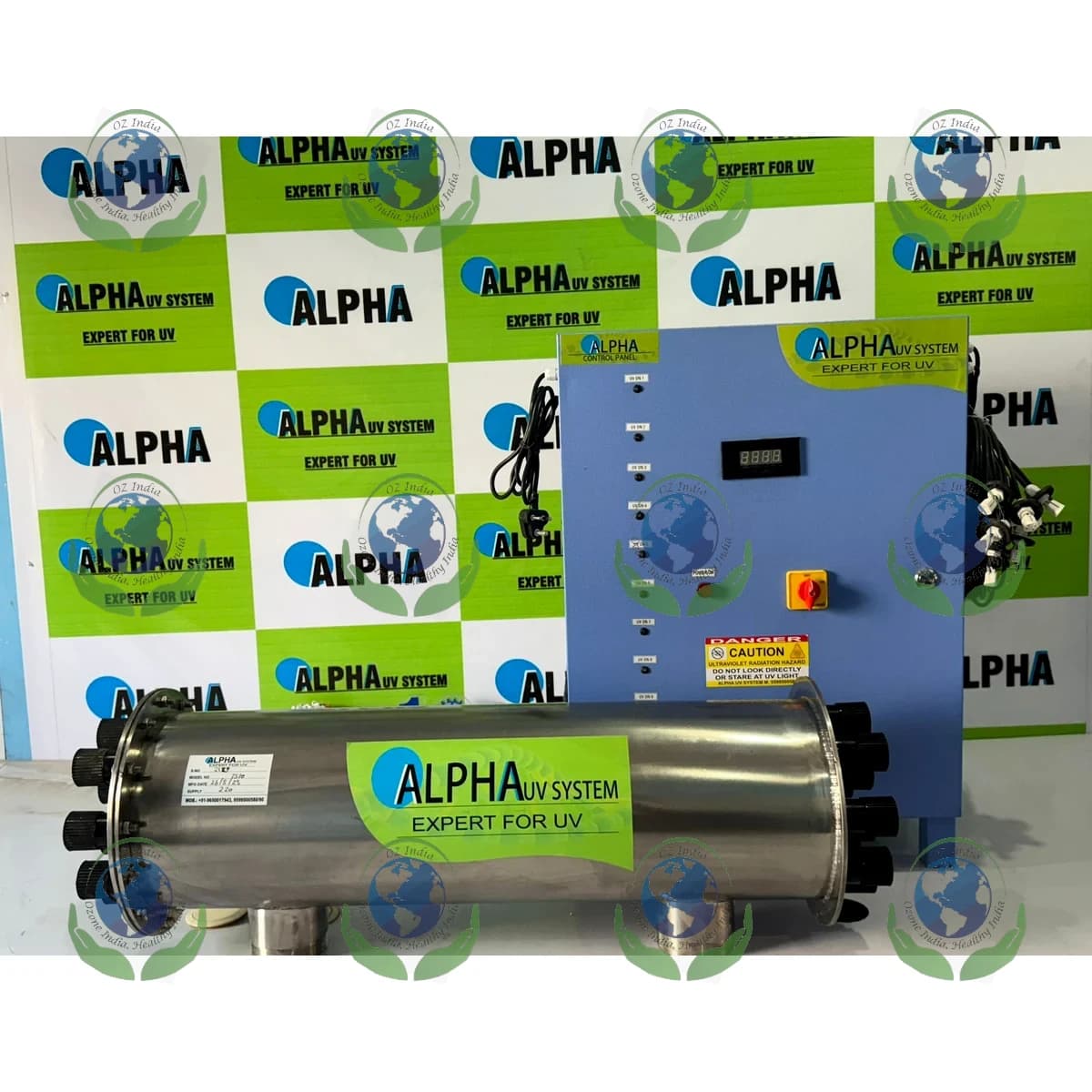
UV disinfection systems provide pathogen-free water at 100–200,000 LPH without chemical residues
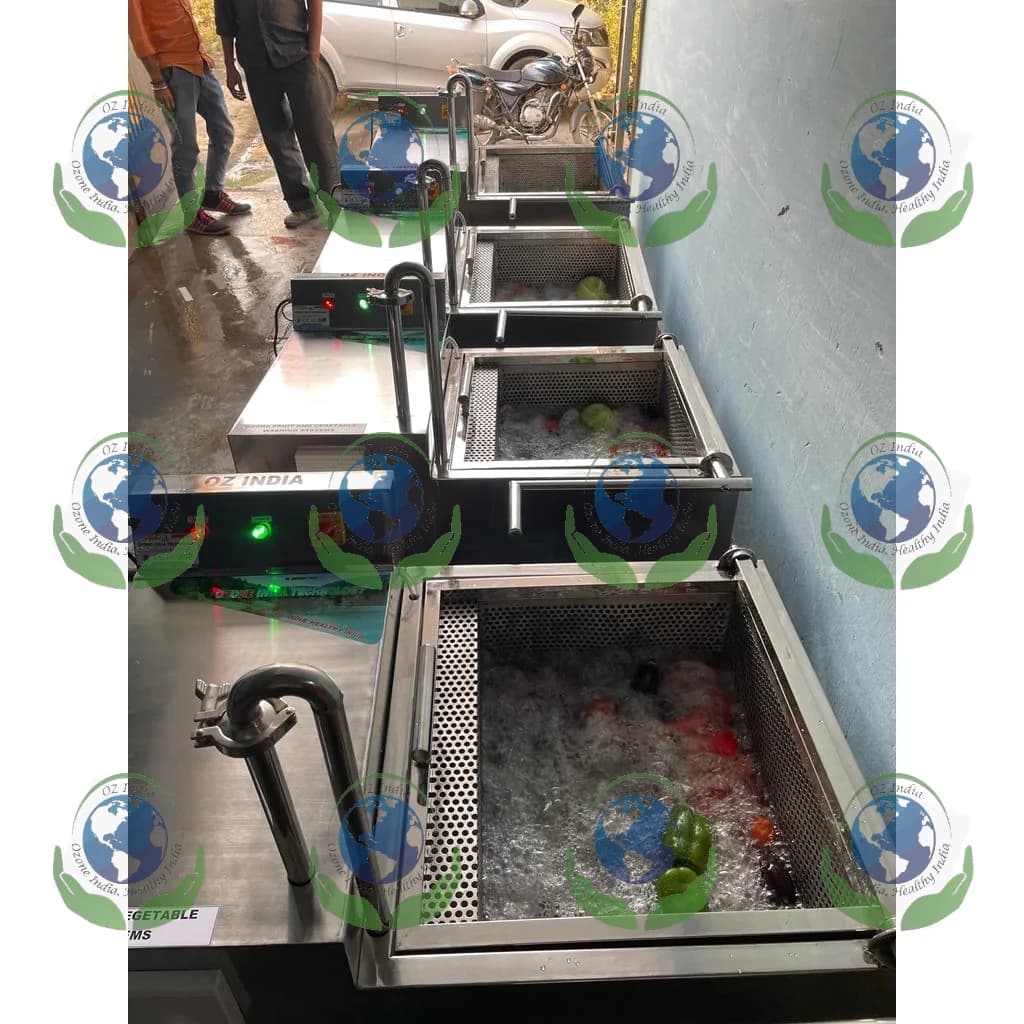
CE-certified ozone fruit and vegetable washers extend shelf life and ensure export-quality produce
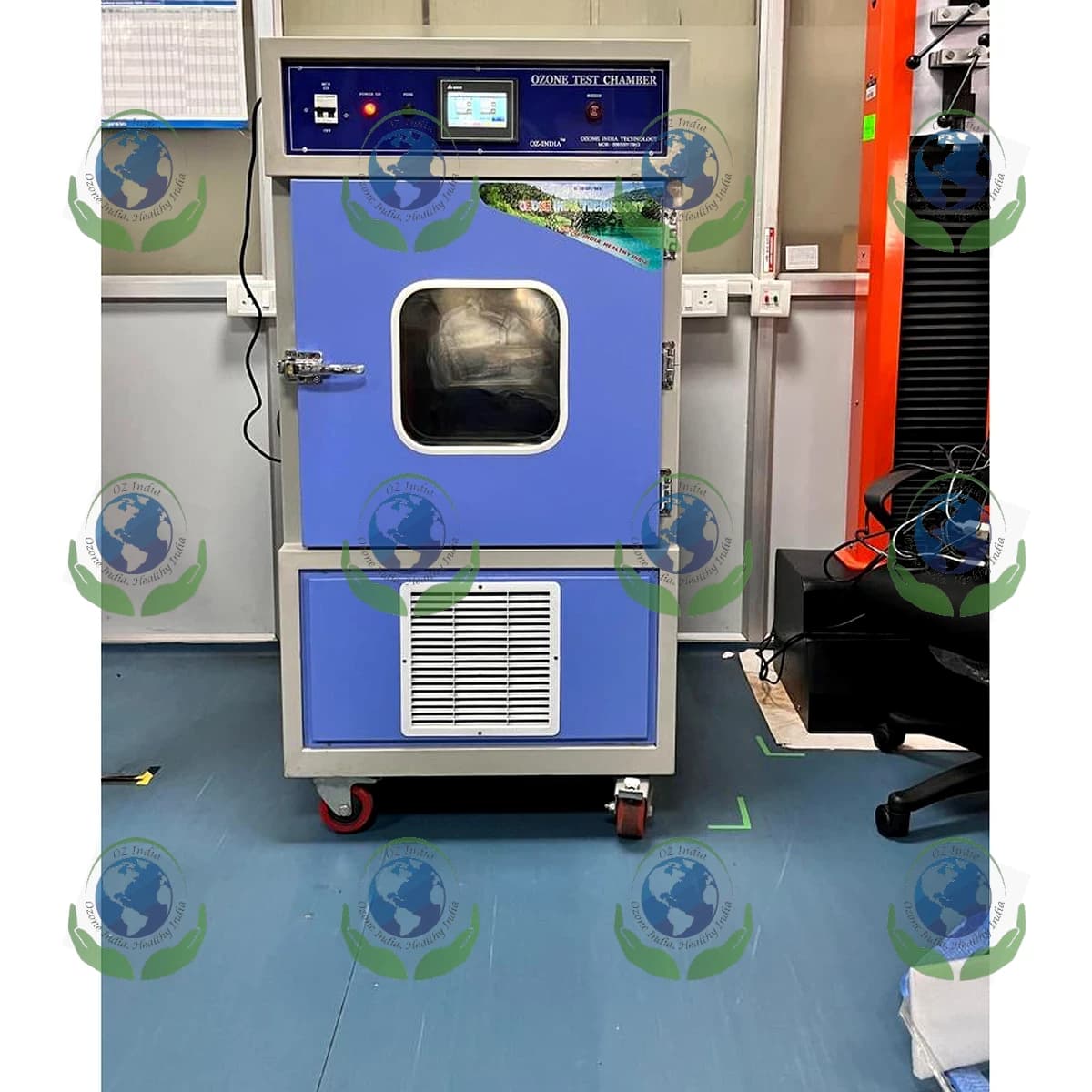
Ozone test chambers validate packaging performance under Kenyan temperature and humidity conditions
Recommended
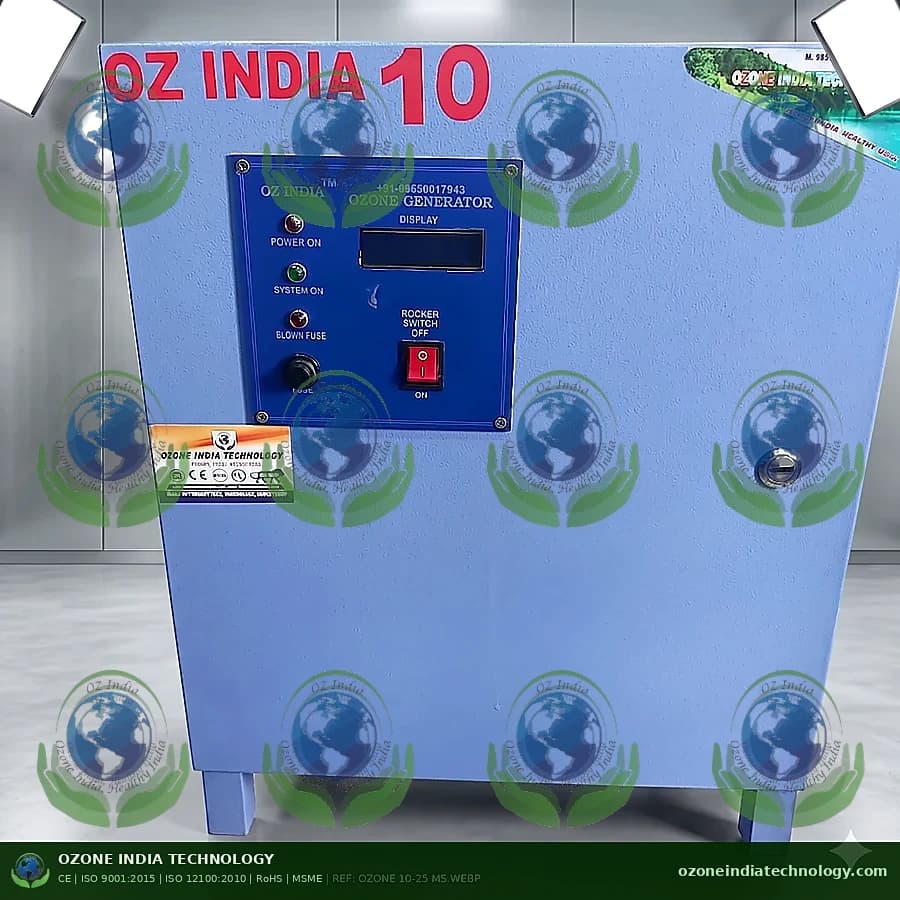
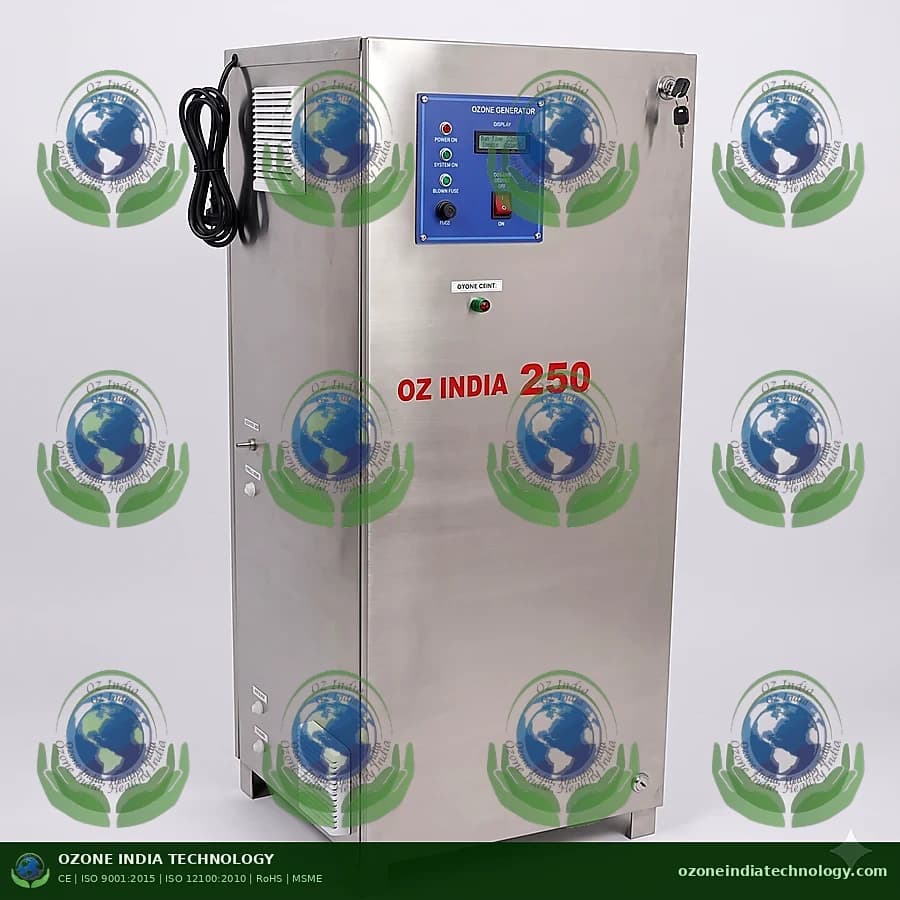
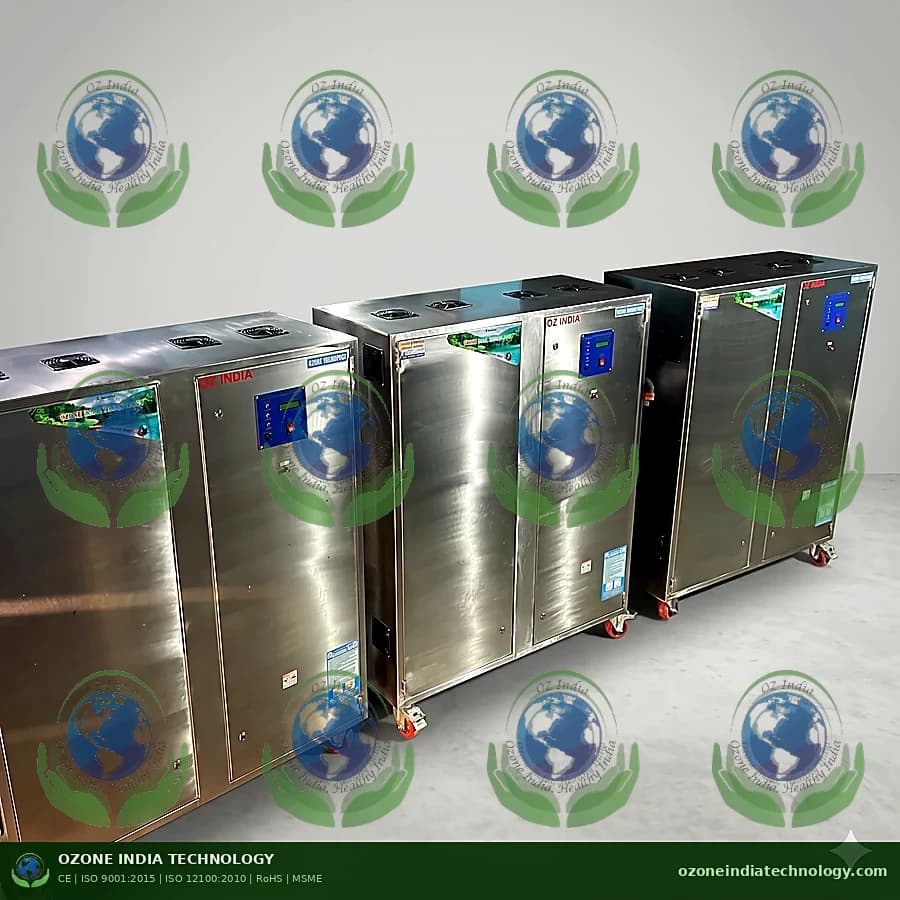
Products for Kenya
Regulatory Compliance & Why Us
KEBS — Kenya Bureau of Standards
CE & ISO 9001:2015 certified — full documentation for:
- KS EAS 12
- KS ISO 9001
- EAC Standards
CE Marking
CE-2621A
ISO 9001:2015
UQ-270426AD1
ISO 12100
UQ-27426AD89
RoHS
QA-2704A2
Why Ozone India Technology for Kenya?
CE & ISO 9001:2015 certified — mandatory documentation for EU and UK-destined horticultural produce
KEBS-compatible import documentation and CE Declaration of Conformity supplied with every shipment
Factory-direct from Greater Noida, India — competitive pricing with no middlemen
10+ years of export experience to East Africa with established Mombasa port shipping routes
No minimum order commitment — single units exported with full documentation
Industry Applications in Kenya
Industry
Overview
Kenya · Africa
Kenya's water sector faces profound structural challenges despite the country's relative economic strength in East Africa. Approximately 41% of Kenyans have access to safely managed drinking water, a figure that masks severe regional disparities: urban centres like Nairobi and Mombasa report higher coverage while arid and semi-arid counties in the Rift Valley and Northern Kenya contend with fluoride levels of 1.5–8 mg/L — well above the WHO guideline of 1.5 mg/L — and iron concentrations of 2–15 mg/L in borehole water, compared to the WHO limit of 0.3 mg/L. The Water Act 2016 empowers the Water Services Regulatory Board (WASREB) to enforce drinking-water quality, but enforcement capacity at county level remains uneven. Ozone-based treatment offers a dual-action solution: it oxidises dissolved iron and manganese to filterable precipitates and degrades fluoride-bearing organic complexes, making it especially valuable for community water schemes across the Great Rift Valley corridor.
Kenya is Sub-Saharan Africa's premier horticultural export economy, shipping approximately USD 690 million in fresh produce — cut flowers, French beans, avocados, and mangoes — to European and Middle Eastern markets annually. The sector employs over 500,000 workers on farms around Lake Naivasha, Thika, and Mount Kenya. Export standards set by the EU's Plant Health Regulation and GLOBALGAP certification require microbial-free irrigation water and postharvest wash water, creating direct demand for validated disinfection technology. Ozone dissolved in irrigation and postharvest flume water eliminates E. coli, Salmonella, and residual pesticide compounds without leaving chlorine by-products that trigger EU maximum residue level (MRL) violations. Fish processing at Kisumu and Mombasa ports similarly requires pathogen-free process water to satisfy EU and US import inspections, further widening the addressable market for advanced oxidation systems.
The regulatory environment governing water treatment and food safety in Kenya is anchored by the Kenya Bureau of Standards (KEBS), the Water Services Regulatory Board (WASREB), and the Kenya Plant Health Inspectorate Service (KEPHIS). KEBS has adopted standards broadly harmonised with ISO and WHO guidelines; the Kenya Standard KS 459:2021 sets drinking-water limits for turbidity, coliforms, nitrates, and heavy metals. For effluent discharge, the National Environment Management Authority (NEMA) enforces the Water Quality Regulations of 2006, which prescribe BOD limits of 30 mg/L and COD limits of 50 mg/L for trade effluent. KEPHIS enforces phytosanitary and pesticide-residue standards for horticultural exports, with zero-tolerance for certain pathogens. This multi-regulator landscape means that Kenyan buyers require equipment suppliers to demonstrate both performance documentation and internationally recognised certifications such as CE marking.
Ozone technology is particularly well-matched to Kenya's industrial and agricultural context for several converging reasons. The availability of ambient air as the ozone feed gas — a practical advantage in a country where reliable liquid oxygen supply chains are limited outside Nairobi — means that corona discharge ozone generators can be deployed with minimal ancillary infrastructure. Kenya's high solar irradiance enables hybrid solar-powered installations for off-grid community boreholes, addressing the iron and fluoride problem at source. In floriculture, ozone concentrations of 1–2 ppm in postharvest cooling water have been demonstrated to extend vase life of roses by 20–30%, a commercially significant finding for exporters competing on shelf life in European supermarkets. In fish processing at Kisumu, ozone at 0.5–1 ppm in chilling water reduces total viable counts to below EU limit values, avoiding costly consignment rejections at Rotterdam or Frankfurt.
Indian-manufactured ozone equipment holds a specific structural advantage in the Kenyan market beyond competitive pricing. India and Kenya share the British Commonwealth technical standards heritage, meaning that CE-marked Indian equipment maps cleanly onto KEBS and NEMA technical requirements without the extensive re-certification burden that locally sourced or Chinese equipment sometimes faces. Ozone India Technology's ISO 9001:2015 and CE certifications satisfy the documentation requirements demanded by KEPHIS for export-facing agri-processing facilities and by WASREB for municipal water scheme procurement. Lead times from Nhava Sheva (Mumbai) port to Mombasa are typically 18–22 days on direct service, significantly shorter than European suppliers and with lower freight costs. Spare parts availability, Hindi-Swahili-English trilingual technical support, and familiarity with 415V/50Hz three-phase power common across Kenya further reduce total cost of ownership for Kenyan operators.
Sourced Data
Kenya — Market Statistics
All figures sourced from WHO, FAO, World Bank, and national agencies.
- Population with safely managed drinking water
- 41%
- Annual horticultural export value
- USD 690 million
- Fluoride concentration in Rift Valley boreholes
- 1.5–8 mg/L (WHO limit: 1.5 mg/L)
- Iron concentration in Rift Valley borehole water
- 2–15 mg/L (WHO limit: 0.3 mg/L)
- Kenya global ranking as cut flower exporter
- 3rd largest globally
- Horticultural sector employment
- 500,000+ workers
WHO/UNICEF Joint Monitoring Programme (JMP) · 2021
Kenya Plant Health Inspectorate Service (KEPHIS) · 2022
WHO/Ministry of Health Kenya Fluoride Mapping · 2019
Water Resources Authority Kenya / WHO · 2020
International Trade Centre (ITC) / KEPHIS · 2022
Horticultural Crops Directorate (HCD) Kenya · 2021
Peer-Reviewed Evidence
Research & Scientific Basis
Published studies supporting ozone treatment in Kenya's industrial context.
Ozonation of Drinking Water: Part I. Oxidation Kinetics and Product Formation
Von Gunten, U. · Water Research · 2003
Demonstrated that ozone at doses of 0.5–2 mg/L achieves greater than 4-log inactivation of Giardia and Cryptosporidium and effectively oxidises dissolved iron and manganese to insoluble forms removable by filtration. Directly applicable to Kenya's Rift Valley borehole water where iron at 2–15 mg/L and fluoride-associated compounds render conventional chlorination insufficient for regulatory compliance.
Application of Ozone for Enhancement of the Microbiological Safety and Quality of Fresh Fruits and Vegetables
Kim, J.G., Yousef, A.E., Dave, S. · Journal of Food Protection · 1999
Found that aqueous ozone at 1–2 ppm reduced E. coli O157:H7 and Salmonella on fresh produce surfaces by 3–5 log CFU/g without affecting product texture or colour. Directly relevant to Kenya's floriculture and fresh vegetable export sector, where GLOBALGAP and EU phytosanitary requirements mandate validated pathogen-reduction steps in postharvest wash water.
Microbiological, Chemical, Sensory, and Shelf Life Evaluation of Fresh and Aqueous Ozone-Treated Chicken
Khadre, M.A., Yousef, A.E., Kim, J.G. · Journal of Food Science · 2001
Established that ozone treatment of process water and product surfaces achieves significant microbial load reduction in poultry and fish processing without harmful chemical residues. Relevant to Kenya's growing fish processing sector at Kisumu and Mombasa, where EU import standards require zero Listeria and stringent total viable count limits in chilled tilapia and Nile perch.
Parameter Compliance
KEBS Regulatory Parameters
How our certified systems perform against Kenya's official limits.
| Parameter | KEBS Limit | Our System Output | Standard |
|---|---|---|---|
| Total Coliforms | 0 CFU/100 mL (KS 459:2021) | Non-detectable (<1 CFU/100 mL) | Kenya Bureau of Standards KS 459:2021 / WHO Guidelines |
| Dissolved Iron (Fe) | 0.3 mg/L (KS 459:2021) | <0.05 mg/L (post oxidation + filtration) | Kenya Bureau of Standards KS 459:2021 |
| Turbidity | 5 NTU (KS 459:2021) | <1 NTU | Kenya Bureau of Standards KS 459:2021 |
| Effluent BOD (trade effluent to sewer) | 30 mg/L (NEMA Water Quality Regulations 2006) | <10 mg/L | NEMA Kenya Water Quality Regulations 2006 |
| Effluent COD (trade effluent) | 50 mg/L (NEMA 2006) | <20 mg/L | NEMA Kenya Water Quality Regulations 2006 |
| Residual Ozone in treated water | 0.05 mg/L max (WHO Guideline) | ≤0.02 mg/L (with ozone destruct unit) | WHO Guidelines for Drinking-water Quality 4th Ed. |
Sector Breakdown
Industry Applications in Kenya
Key sectors, production scale, and how ozone technology addresses each challenge.
| Sector | Scale / Value | Challenge | Our Solution |
|---|---|---|---|
| Floriculture (cut flowers) | USD 400M+ (KEPHIS 2022) | EU MRL violations, E. coli in irrigation water, postharvest decay reducing vase life | Dissolved ozone at 1–2 ppm in postharvest cooling and storage water; oxidises pesticide residues, eliminates coliforms, extends vase life 20–30% |
| Fresh Vegetable & Avocado Export | USD 290M (HCD Kenya 2022) | Salmonella and E. coli in wash water; chlorine residues trigger MRL alerts at EU borders | Ozone-based postharvest wash systems replace chlorine; residue-free disinfection with 3–5 log pathogen reduction meeting GLOBALGAP standards |
| Freshwater Fish Processing (Nile Perch / Tilapia) | USD 120M (LVFO/FAO 2021) | EU Hazard Analysis at Mombasa port; high total viable counts in chilling water | Ozone in chilled process water at 0.5–1 ppm; reduces TVC below EU limit <100,000 CFU/g; eliminates Listeria from processing surfaces |
| Bottled Water Production | USD 85M (Kenya National Bureau of Statistics 2021) | Chlorine taste/odour; difficulty meeting KEBS KS 459 coliform zero-tolerance at scale | Ozone as primary disinfectant in PET bottling lines; replaces chlorine entirely; no DBP formation; KEBS-compliant output with residue-free water |
| Municipal Water Works (county utilities) | KES 28B sector budget (WASREB 2022) | High iron/fluoride in Rift Valley boreholes; aging chlorination infrastructure; treatment failures during peak demand | Ozone oxidation of iron/manganese followed by sand filtration; 10–25 g/hr units scalable to county demand; CE-certified for WASREB procurement compliance |
| Tea Processing (Wet factories) | USD 1.3B export value (Tea Board of Kenya 2022) | Effluent from withering, fermenting, and drying processes; high BOD in factory discharge streams | Ozone-assisted effluent treatment reduces BOD from 300–500 mg/L to <30 mg/L NEMA limit; eliminates odour from tea waste lagoons around Kericho and Limuru |
Floriculture (cut flowers)
USD 400M+ (KEPHIS 2022)
EU MRL violations, E. coli in irrigation water, postharvest decay reducing vase life
Dissolved ozone at 1–2 ppm in postharvest cooling and storage water; oxidises pesticide residues, eliminates coliforms, extends vase life 20–30%
Fresh Vegetable & Avocado Export
USD 290M (HCD Kenya 2022)
Salmonella and E. coli in wash water; chlorine residues trigger MRL alerts at EU borders
Ozone-based postharvest wash systems replace chlorine; residue-free disinfection with 3–5 log pathogen reduction meeting GLOBALGAP standards
Freshwater Fish Processing (Nile Perch / Tilapia)
USD 120M (LVFO/FAO 2021)
EU Hazard Analysis at Mombasa port; high total viable counts in chilling water
Ozone in chilled process water at 0.5–1 ppm; reduces TVC below EU limit <100,000 CFU/g; eliminates Listeria from processing surfaces
Bottled Water Production
USD 85M (Kenya National Bureau of Statistics 2021)
Chlorine taste/odour; difficulty meeting KEBS KS 459 coliform zero-tolerance at scale
Ozone as primary disinfectant in PET bottling lines; replaces chlorine entirely; no DBP formation; KEBS-compliant output with residue-free water
Municipal Water Works (county utilities)
KES 28B sector budget (WASREB 2022)
High iron/fluoride in Rift Valley boreholes; aging chlorination infrastructure; treatment failures during peak demand
Ozone oxidation of iron/manganese followed by sand filtration; 10–25 g/hr units scalable to county demand; CE-certified for WASREB procurement compliance
Tea Processing (Wet factories)
USD 1.3B export value (Tea Board of Kenya 2022)
Effluent from withering, fermenting, and drying processes; high BOD in factory discharge streams
Ozone-assisted effluent treatment reduces BOD from 300–500 mg/L to <30 mg/L NEMA limit; eliminates odour from tea waste lagoons around Kericho and Limuru
Ready to export to Kenya
Deploy Ozone Technology in Kenya
CE & ISO 9001:2015 certified. Full export documentation. Factory-direct from Greater Noida, India.