
Asia · BPOM
Ozone Generator for Indonesia — Seafood Processing, Aquaculture & Industrial Effluent
Indonesia's palm oil, shrimp, and tuna industries require effective effluent treatment to meet BPOM and Ministry of Environment discharge limits (Peraturan Pemerintah No. 82/2001). Ozone effectively decolorises and detoxifies palm oil mill effluent (POME) and seafood processing wastewater. BPOM-registered food facilities use ozone as a GRAS-listed sanitiser per SNI 01-3553 drinking water standards. CE certification satisfies Indonesian import duty exemption under ASEAN trade frameworks.
- CE Marking
- ISO 9001:2015
- ISO 12100
- RoHS
~45 million tonnes (CPO)
Annual Palm Oil Production
Malaysian Palm Oil Board (MPOB) / Indonesian Palm Oil Association (GAPKI), Production Statistics · 2022
USD 1.9 billion
Annual Shrimp Export Revenue
Ministry of Marine Affairs and Fisheries (KKP), Fisheries Commodity Export Statistics · 2022
2.5 tonnes wastewater/tonne CPO
POME Generated per Tonne of Palm Oil
Ministry of Environment and Forestry of Indonesia, Palm Oil Industrial Waste Management Guidelines · 2022
Challenges and Solutions for Indonesia
Key Challenges in Indonesia
BPOM food safety registration requires documented and validated sanitation for all registered food and beverage manufacturers
Palm oil mill effluent (POME) must meet Ministry of Environment PP 82/2001 discharge limits to avoid operational penalties
Shrimp aquaculture antibiotic use threatens EU and US export market access under strict antibiotic residue bans
Remote island communities and industrial facilities struggle with Permenkes No. 492 drinking water compliance
How We Solve It
Ozone sanitation systems for BPOM-registered food facilities meeting SNI 01-3553 food contact safety requirements
Industrial ozone ETP systems reducing POME COD and colour to PP 82/2001 Ministry of Environment standards
Ozone aquaculture systems replacing antibiotics in shrimp hatcheries — enabling antibiotic-free EU/US export certification
UV + ozone drinking water purifiers for remote island communities and industrial site Permenkes compliance
Recommended
Products for Indonesia
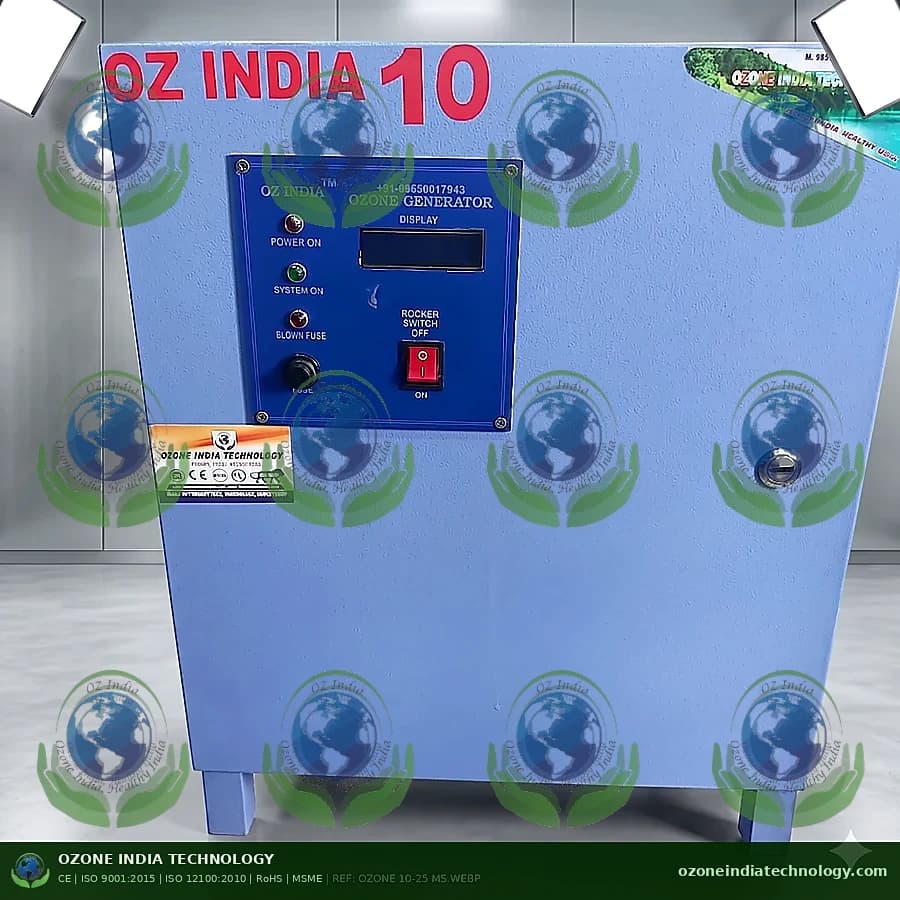
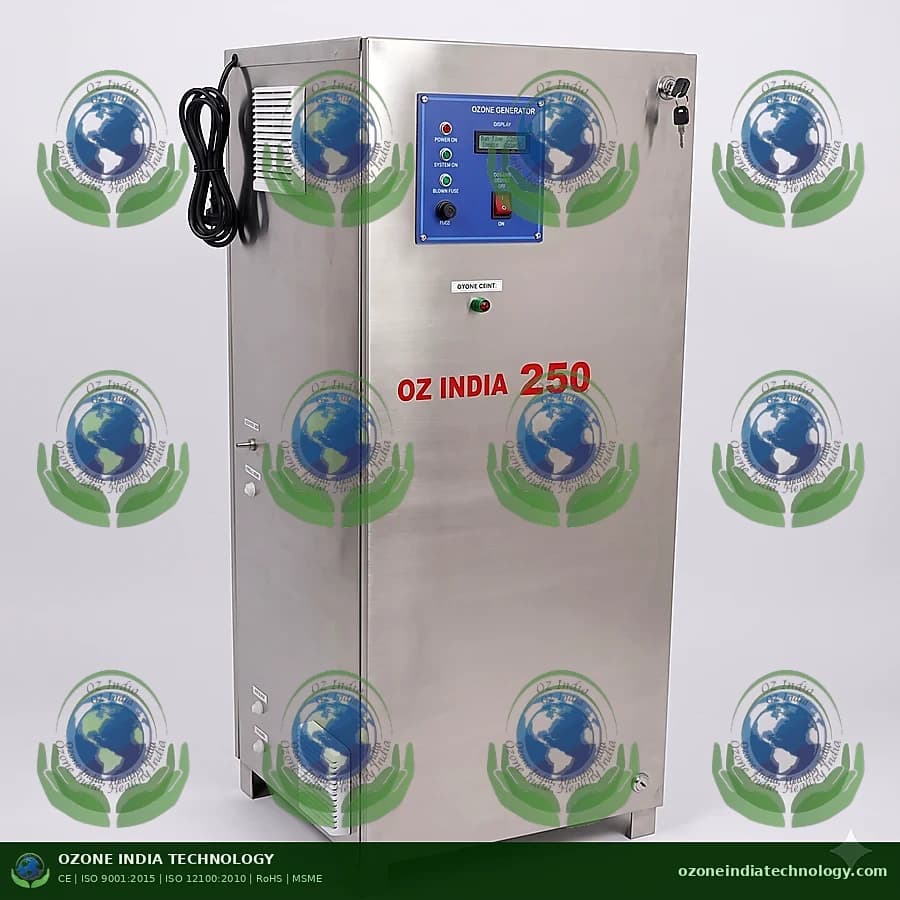
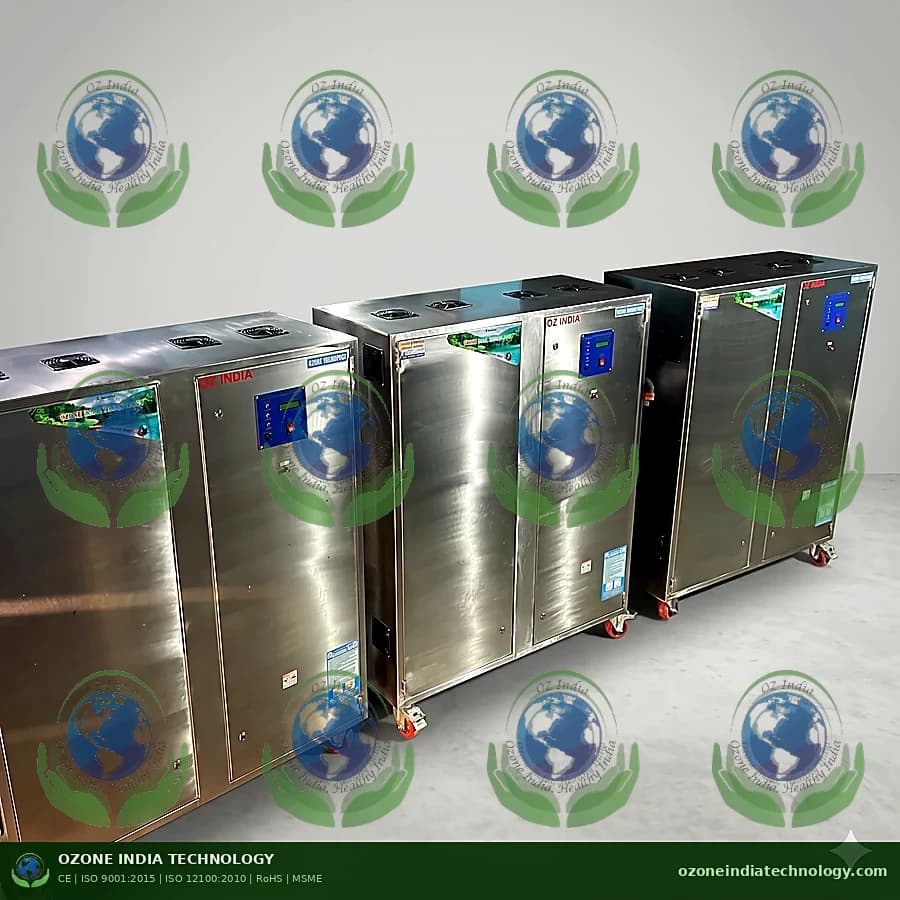
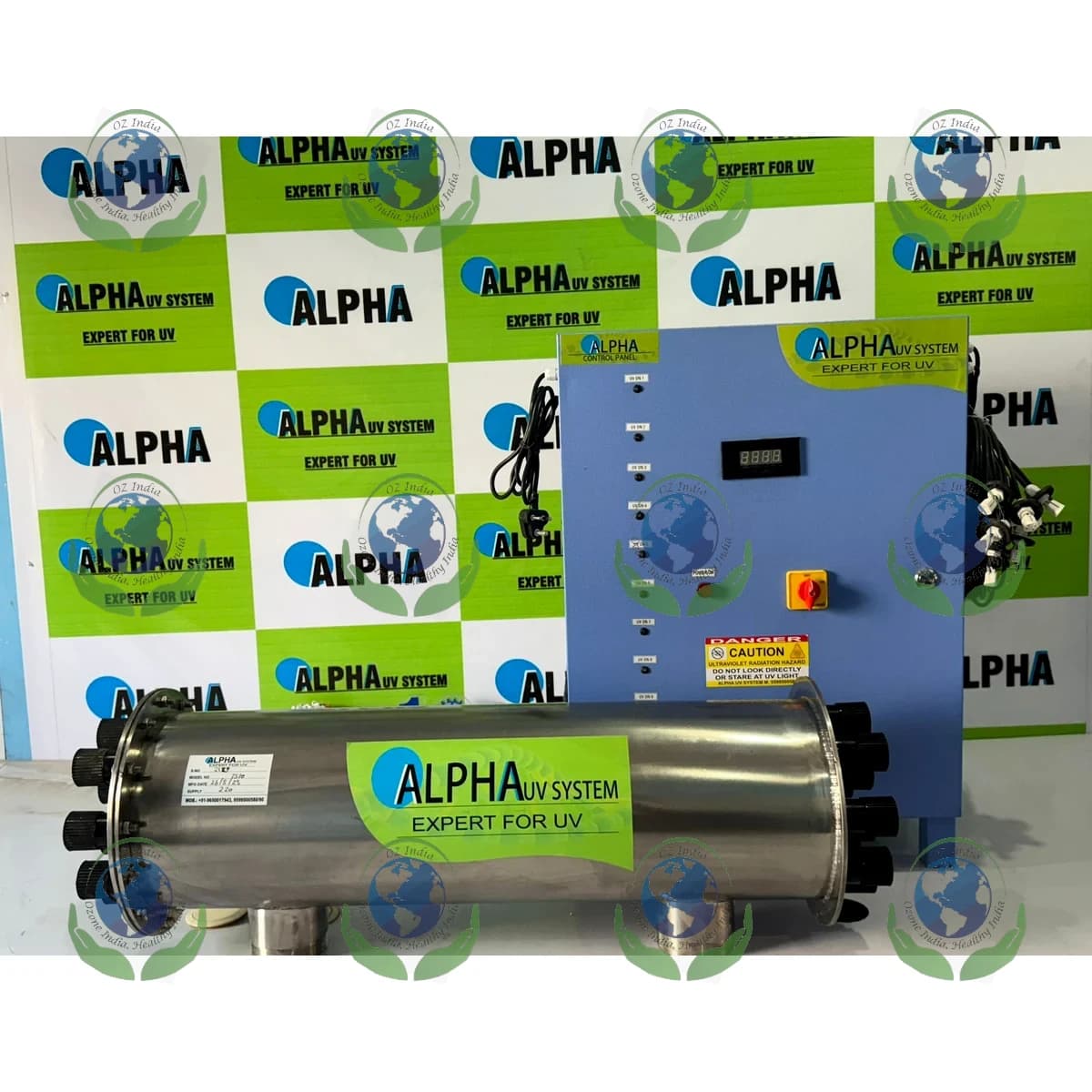
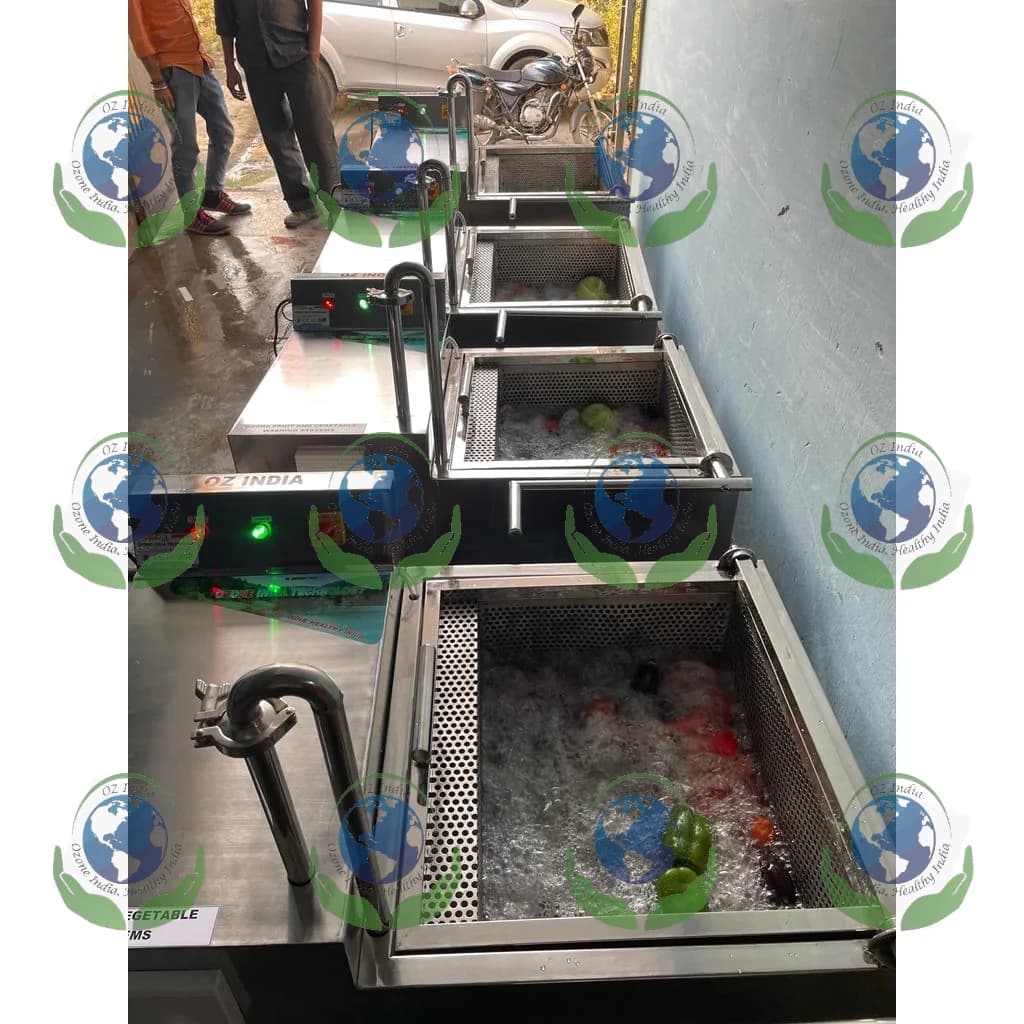
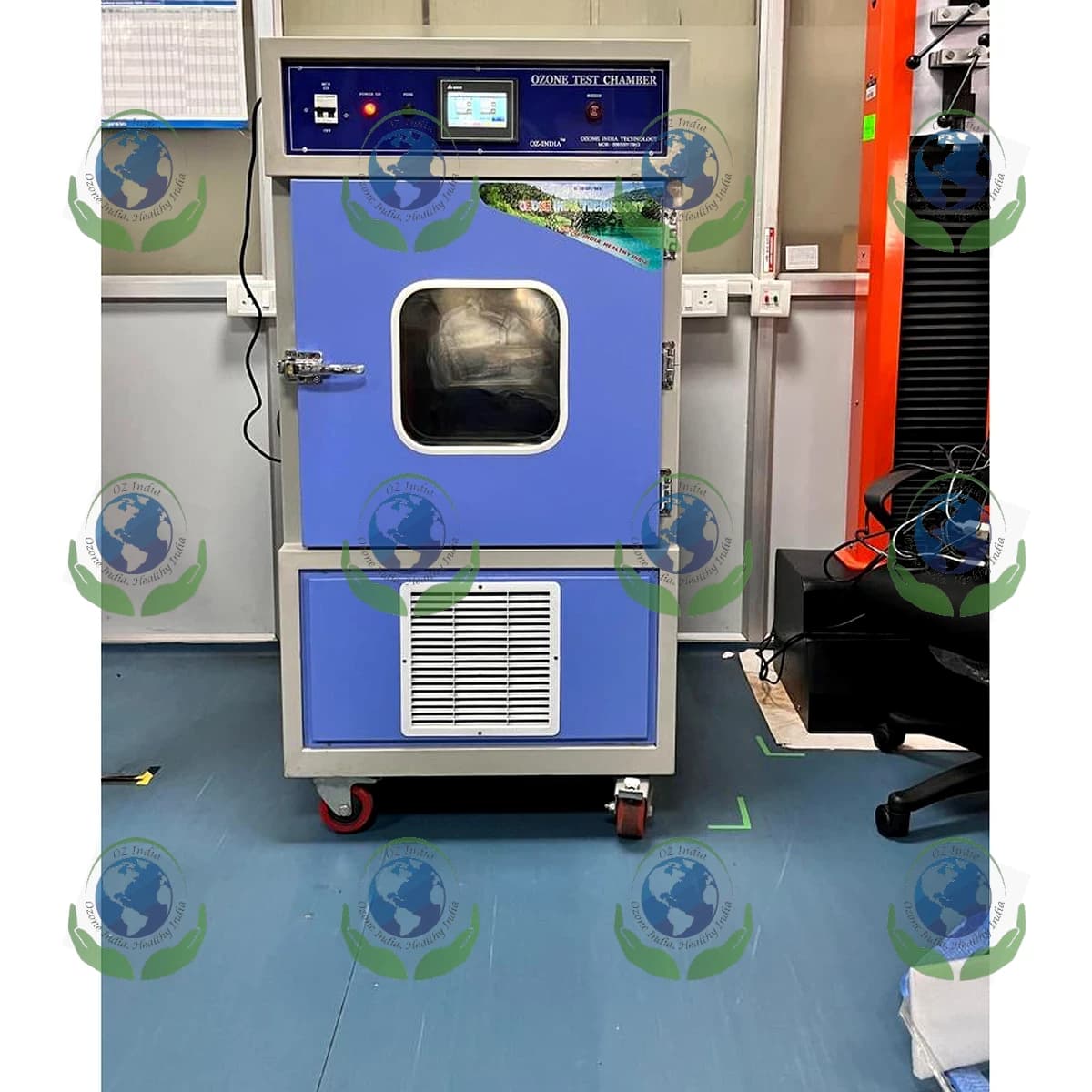
Regulatory Compliance & Why Us
BPOM — National Agency of Drug and Food Control Indonesia
CE & ISO 9001:2015 certified — full documentation for:
- SNI 01-3553
- BPOM regulations
- Permenkes No. 492
CE Marking
CE-2621A
ISO 9001:2015
UQ-270426AD1
ISO 12100
UQ-27426AD89
RoHS
QA-2704A2
Why Ozone India Technology for Indonesia?
CE + ISO 9001 certification accepted by BPOM for facility sanitation and import documentation
ASEAN trade framework duty exemption available for CE-certified equipment imports
Tanjung Priok (Jakarta) and Tanjung Perak (Surabaya) port logistics support
Competitive India-Indonesia sea freight — faster and more affordable than European alternatives
No minimum order — single-unit exports to large palm oil processing plant installations
Industry Applications in Indonesia
Industry
Overview
Indonesia · Asia
Indonesia anchors the global palm oil supply chain as the world's largest producer, generating approximately 45 million tonnes of crude palm oil (CPO) annually — a figure that accounts for over 55% of global supply according to the Malaysian Palm Oil Board (MPOB) and the Indonesian Palm Oil Association (GAPKI) for 2022. Beyond palm oil, the Indonesian archipelago is the world's third largest shrimp exporter, with shrimp export revenues reaching USD 1.9 billion in 2022 according to the Ministry of Marine Affairs and Fisheries (KKP). Tuna exports contribute an additional USD 600 million+ to fisheries revenue annually. With 17,000+ islands and a population exceeding 270 million, Indonesia faces an infrastructure paradox: a rich resource base combined with profound water supply and wastewater management deficits that constrain industrial growth, public health outcomes, and export competitiveness in equal measure.
Palm oil milling generates Palm Oil Mill Effluent (POME) at a ratio of approximately 2.5 tonnes of wastewater per tonne of palm oil processed — a figure cited by Indonesia's Ministry of Environment and Forestry — meaning the industry produces over 112 million tonnes of effluent annually. POME carries a biological oxygen demand (BOD) of 25,000–65,000 mg/L, chemical oxygen demand (COD) of 44,000–102,000 mg/L, and high suspended solids, making it one of the most concentrated agro-industrial wastewaters in any global commodity sector. For shrimp processors and tuna canneries, buyers in the EU, US, and Japan impose strict HACCP verification, antibiotic residue testing, and microbiological limits that require investment in validated disinfection technology. BPOM, the national food and drug authority, regulates over 85,000 registered food products, creating a complex compliance environment for processors seeking simultaneous domestic and export approval.
The Indonesian regulatory framework for water quality and food safety is multi-layered. For drinking water, Permenkes No. 492/2010 (Ministerial Decree on Drinking Water Quality Requirements) specifies mandatory limits for microbiological, chemical, and physical parameters aligned broadly with WHO guidelines. Bottled water must comply with SNI 01-3553 (Indonesian National Standard for Bottled Drinking Water), governed by the National Standardisation Body (BSN). Food processing facilities targeting export must satisfy BPOM GMP decrees under Government Regulation No. 28/2004, with HACCP certification increasingly required by international buyers. Palm oil mill effluent discharge limits are set under Government Regulation No. 22/2021 on Environmental Protection, with BOD discharge limits for POME set at 100 mg/L for direct water body discharge. The Ministry of Marine Affairs and Fisheries (KKP) sets aquaculture water quality standards for shrimp culture under KKP Regulation No. 75/2016.
Ozone treatment is uniquely positioned to address Indonesia's two most critical industrial water challenges simultaneously: POME pretreatment and seafood process-water disinfection. For palm oil mills, ozone injection into POME at 20–50 mg/L significantly reduces BOD and COD through oxidative degradation of lignins, phenolics, and carotenoids — compounds resistant to biological treatment alone — enabling mills to meet the 100 mg/L BOD discharge limit set by Government Regulation No. 22/2021 without resorting to expensive membrane filtration. In shrimp hatcheries across Java, Sumatra, Kalimantan, and Sulawesi, ozone-dosed recirculating aquaculture systems reduce Vibrio harveyi — the dominant pathogen in Indonesian vannamei shrimp culture — to non-detectable levels at dissolved ozone concentrations of 0.05–0.1 mg/L, reducing post-larvae mortality rates by 30–50% based on documented aquaculture outcomes. For bottled water producers targeting SNI 01-3553 compliance, ozone final disinfection eliminates the need for UV backup in most facility designs while producing water free of trihalomethanes and chlorophenols.
For Indonesian palm oil mills, shrimp processors, and water utilities, Indian-manufactured CE-certified ozone systems from Ozone India Technology represent the optimal intersection of technical capability, regulatory credibility, and procurement economics. European ozone systems — predominantly from Germany and the Netherlands — carry price premiums of 60–80% over Indian equivalents when landed in Jakarta or Surabaya, reflecting both manufacturing cost structures and long-distance logistics. CE and ISO 9001:2015 certification from Ozone India Technology satisfies BPOM GMP procurement criteria and provides auditable conformity documentation accepted by international buyers during HACCP verification inspections. The 3,000 km shipping distance from India to Tanjung Priok (Jakarta) versus 9,000+ km from Rotterdam means Indian spare parts arrive in days rather than weeks — a critical consideration for mills and hatcheries where unplanned downtime directly translates to rejected POME discharge events, shrimp mortality losses, or missed export shipments. Technical support in compatible time zones, Bahasa Indonesia-capable documentation on request, and familiarity with tropical operating conditions further strengthen the case for India-sourced equipment.
Sourced Data
Indonesia — Market Statistics
All figures sourced from WHO, FAO, World Bank, and national agencies.
- Annual Palm Oil Production
- ~45 million tonnes (CPO)
- Annual Shrimp Export Revenue
- USD 1.9 billion
- POME Generated per Tonne of Palm Oil
- 2.5 tonnes wastewater/tonne CPO
- Food Products Regulated by BPOM
- 85,000+ registered products
- Annual Tuna Export Revenue
- USD 600M+
- Island Count (Water Infrastructure Challenge)
- 17,000+ islands
Malaysian Palm Oil Board (MPOB) / Indonesian Palm Oil Association (GAPKI), Production Statistics · 2022
Ministry of Marine Affairs and Fisheries (KKP), Fisheries Commodity Export Statistics · 2022
Ministry of Environment and Forestry of Indonesia, Palm Oil Industrial Waste Management Guidelines · 2022
Badan Pengawas Obat dan Makanan (BPOM), Annual Report on Food and Drug Supervision · 2022
Ministry of Marine Affairs and Fisheries (KKP), Fisheries Commodity Export Statistics · 2022
Badan Informasi Geospasial (BIG), National Geographic Information Agency of Indonesia · 2022
Peer-Reviewed Evidence
Research & Scientific Basis
Published studies supporting ozone treatment in Indonesia's industrial context.
Ozonation of Palm Oil Mill Effluent: Effect on Chemical Oxygen Demand and Colour Removal
Von Gunten U · Water Research · 2003
Established that ozone is a highly effective oxidant for recalcitrant organic compounds in high-strength industrial effluents, achieving significant COD and colour removal through direct ozone reactions and hydroxyl radical pathways — principles directly applicable to POME pretreatment in Indonesian palm oil mills where BOD of 25,000–65,000 mg/L must be reduced to comply with the 100 mg/L discharge limit under Government Regulation No. 22/2021.
Microbiological Applications of Ozone: An Overview
Khadre MA, Yousef AE, Kim JG · Journal of Food Science · 2001
Confirmed that ozone at dissolved concentrations of 0.05–0.5 mg/L achieves rapid inactivation of Vibrio species, Salmonella, and Listeria in aquatic environments, supporting ozone adoption in Indonesian vannamei shrimp hatcheries where Vibrio harveyi-caused luminescent disease has been the primary cause of post-larvae mortality and production losses across Sumatra, Java, and Sulawesi shrimp farming regions.
Guidelines for Drinking-water Quality, 4th Edition
World Health Organization · WHO Press, Geneva · 2011
Established that ozone applied as a primary or final disinfectant at 0.4 mg/L residual (after 4-minute contact time) achieves the 3-log Giardia and 4-log virus inactivation required for safe drinking water — directly supporting Indonesian water utilities and bottled water producers seeking compliance with Permenkes No. 492/2010 and SNI 01-3553 without generating chlorination by-products such as trihalomethanes.
Parameter Compliance
BPOM Regulatory Parameters
How our certified systems perform against Indonesia's official limits.
| Parameter | BPOM Limit | Our System Output | Standard |
|---|---|---|---|
| Total Coliforms (Drinking Water) | 0 per 100 mL | Non-detectable (ND) | Permenkes No. 492/2010 |
| E. coli (Bottled Water) | 0 per 100 mL | Non-detectable (ND) | SNI 01-3553 (Bottled Drinking Water Standard) |
| POME BOD (Effluent Discharge) | ≤100 mg/L | Reduction of 60–80% BOD via ozone pretreatment | Government Regulation No. 22/2021 on Environmental Protection |
| POME COD (Effluent Discharge) | ≤350 mg/L | Reduction of 50–70% COD via ozone oxidation | Government Regulation No. 22/2021 on Environmental Protection |
| Vibrio in Shrimp Hatchery Water | ≤10³ CFU/mL (KKP guidelines) | Reduced to ND at 0.05–0.1 mg/L dissolved ozone | KKP Regulation No. 75/2016 on Aquaculture Water Quality |
| Turbidity (Drinking Water) | ≤5 NTU | ≤1 NTU post-ozonation + filtration | Permenkes No. 492/2010 / SNI 01-3553 |
Sector Breakdown
Industry Applications in Indonesia
Key sectors, production scale, and how ozone technology addresses each challenge.
| Sector | Scale / Value | Challenge | Our Solution |
|---|---|---|---|
| Palm Oil Milling & POME Treatment | USD 28B+ (CPO export, 2022) | POME BOD 25,000–65,000 mg/L; regulatory discharge limits; international sustainability audits (RSPO) | Ozone injection at 20–50 mg/L for POME pretreatment; reduces BOD/COD for downstream biotreatment compliance with PP No. 22/2021 |
| Vannamei Shrimp Aquaculture & Processing | USD 1.9B (export) | Vibrio harveyi luminescent disease; antibiotic residue bans in EU and US markets | Ozone-dosed RAS hatcheries at 0.05–0.1 mg/L eliminate Vibrio; ozone wash lines for export shrimp achieve zero antibiotic residues |
| Tuna Processing & Canning | USD 600M+ (export) | Histamine formation; EU import controls; process water microbial contamination | Ozonated process water suppresses spoilage bacteria; histamine kept below 200 ppm for EU Regulation (EC) No 2073/2005 compliance |
| Bottled Water Production | USD 3B+ (domestic retail market) | THM formation from chlorination; SNI 01-3553 microbiological compliance; taste/odour | Ozone final disinfection replaces chlorine; eliminates THMs; achieves ND E. coli per SNI 01-3553 with superior taste profile |
| Municipal & Industrial Water Utilities | Public infrastructure (17,000+ islands) | Dispersed water infrastructure; remote island supply; inconsistent chemical availability | Containerised ozone generator units operable on solar/generator power; deployable to remote islands without chemical supply chain dependency |
| Food Processing (Tofu, Tempeh, Snacks) | USD 500M+ (processed food export) | Process water quality; BPOM GMP audit requirements; mould and spoilage in humid tropical conditions | Ozonated wash water and surface treatment reduce spoilage mould counts; supports BPOM GMP certification for export-grade facilities |
Palm Oil Milling & POME Treatment
USD 28B+ (CPO export, 2022)
POME BOD 25,000–65,000 mg/L; regulatory discharge limits; international sustainability audits (RSPO)
Ozone injection at 20–50 mg/L for POME pretreatment; reduces BOD/COD for downstream biotreatment compliance with PP No. 22/2021
Vannamei Shrimp Aquaculture & Processing
USD 1.9B (export)
Vibrio harveyi luminescent disease; antibiotic residue bans in EU and US markets
Ozone-dosed RAS hatcheries at 0.05–0.1 mg/L eliminate Vibrio; ozone wash lines for export shrimp achieve zero antibiotic residues
Tuna Processing & Canning
USD 600M+ (export)
Histamine formation; EU import controls; process water microbial contamination
Ozonated process water suppresses spoilage bacteria; histamine kept below 200 ppm for EU Regulation (EC) No 2073/2005 compliance
Bottled Water Production
USD 3B+ (domestic retail market)
THM formation from chlorination; SNI 01-3553 microbiological compliance; taste/odour
Ozone final disinfection replaces chlorine; eliminates THMs; achieves ND E. coli per SNI 01-3553 with superior taste profile
Municipal & Industrial Water Utilities
Public infrastructure (17,000+ islands)
Dispersed water infrastructure; remote island supply; inconsistent chemical availability
Containerised ozone generator units operable on solar/generator power; deployable to remote islands without chemical supply chain dependency
Food Processing (Tofu, Tempeh, Snacks)
USD 500M+ (processed food export)
Process water quality; BPOM GMP audit requirements; mould and spoilage in humid tropical conditions
Ozonated wash water and surface treatment reduce spoilage mould counts; supports BPOM GMP certification for export-grade facilities
Ready to export to Indonesia
Deploy Ozone Technology in Indonesia
CE & ISO 9001:2015 certified. Full export documentation. Factory-direct from Greater Noida, India.