Africa · FDA Ghana
Ozone Generator for Ghana — Food Safety & Water Purification
Ghana's growing horticulture and fisheries export sector to EU markets requires CE-certified processing equipment that meets EU hygiene regulation (EC) No 852/2004. FDA Ghana's food safety requirements align with Codex Alimentarius standards where ozone is recognised as a GRAS (Generally Recognised As Safe) sanitiser by the US FDA. Our CE-certified vegetable washers and seafood processing systems support compliance for exporters targeting European buyers.
- CE Marking
- ISO 9001:2015
- ISO 12100
- RoHS
46%
Safely Managed Drinking Water Access
WHO/UNICEF Joint Monitoring Programme (JMP) · 2021
~900,000 tonnes
Annual Cocoa Production
International Cocoa Organization (ICCO) · 2022
~90% of Ghana's containers
Tema Port Container Traffic Share
Ghana Ports and Harbours Authority (GPHA) · 2022
Challenges and Solutions for Ghana
Key Challenges in Ghana
EU buyers require CE-certified hygiene equipment from Ghanaian horticultural and seafood exporters before accepting shipments
FDA Ghana GMP compliance requires documented sanitation processes for all registered food and beverage facilities
Borehole water iron and coliform contamination in industrial zones around Tema and Kumasi
Cocoa, seafood, and tuna processors need validated pathogen reduction methods to maintain export licences
How We Solve It
CE-certified ozone vegetable washers and seafood processing systems enabling EU Regulation 852/2004 compliance
Industrial ozone generators for FDA Ghana-registered cocoa and beverage production facilities
Ozone borehole treatment systems eliminating iron and coliform to GS ISO 9001-compatible water quality
UV disinfection systems for pharmaceutical water and hospital infection control across Accra and Kumasi
Recommended
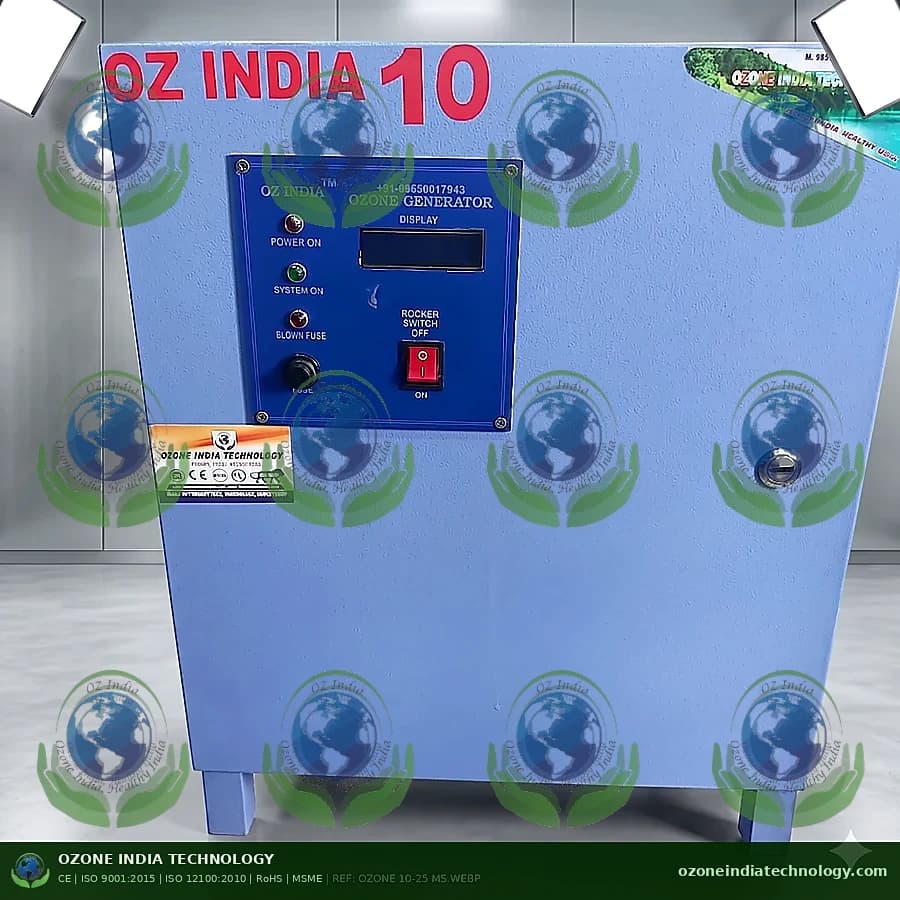
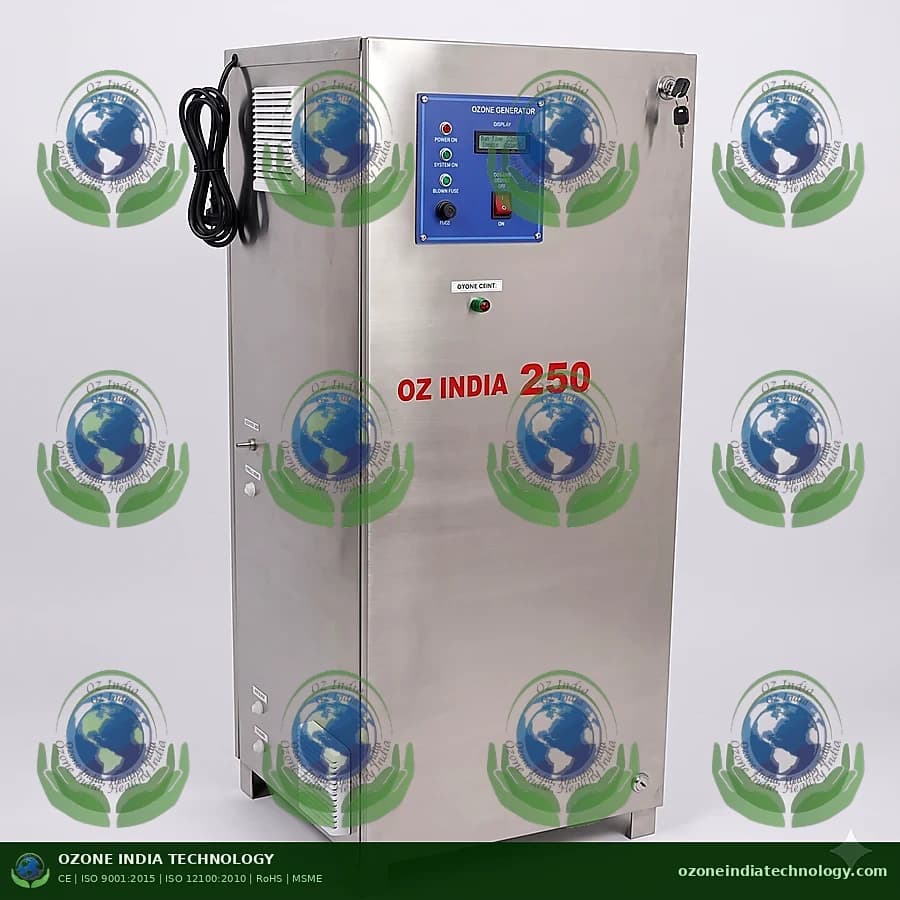
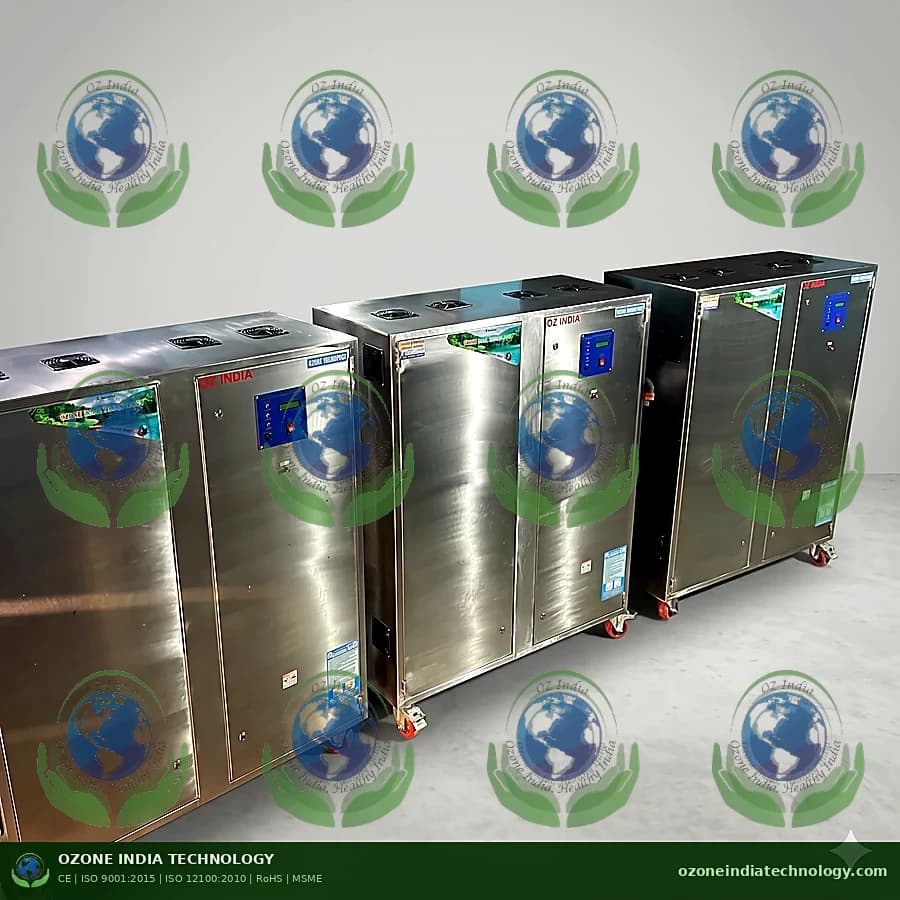
Products for Ghana
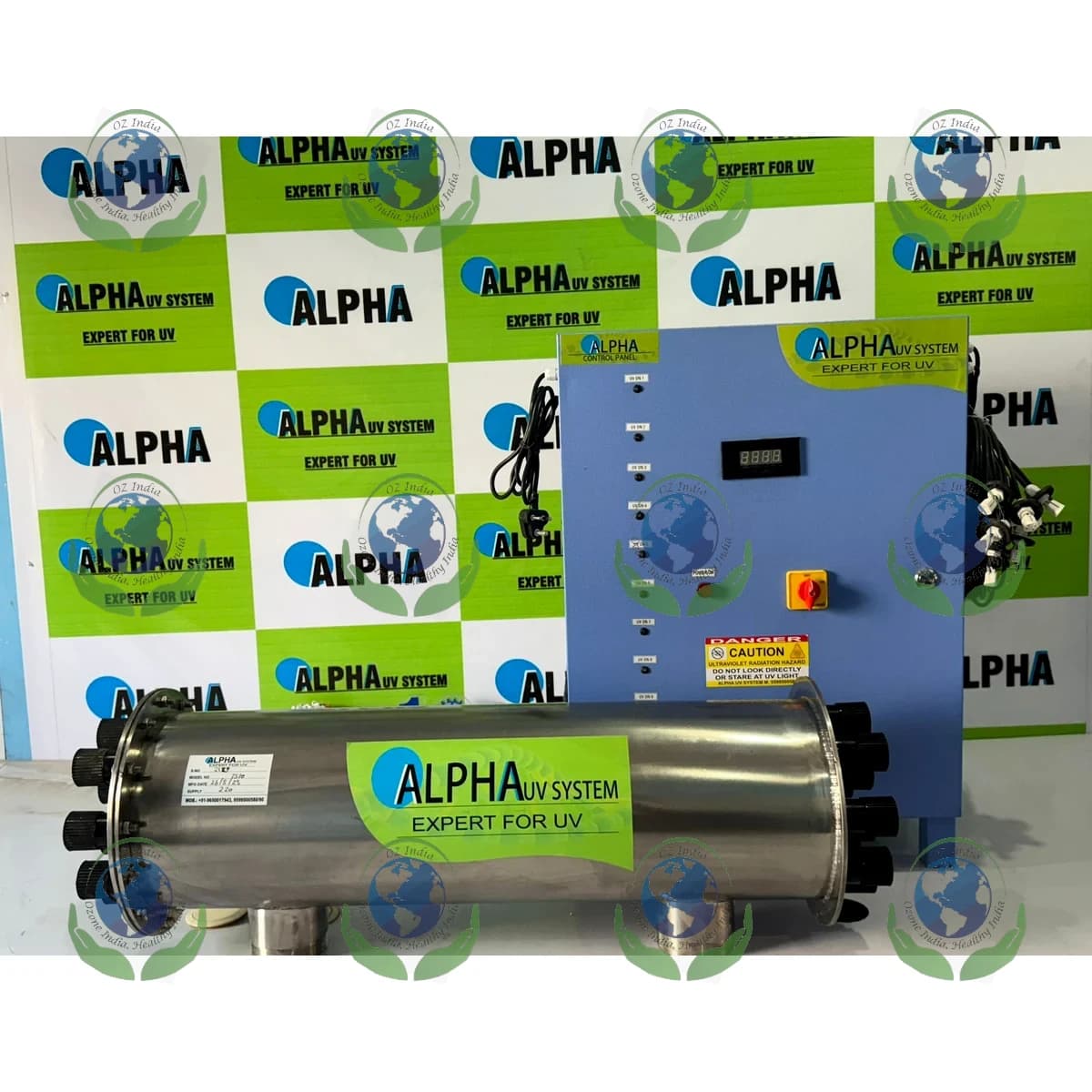
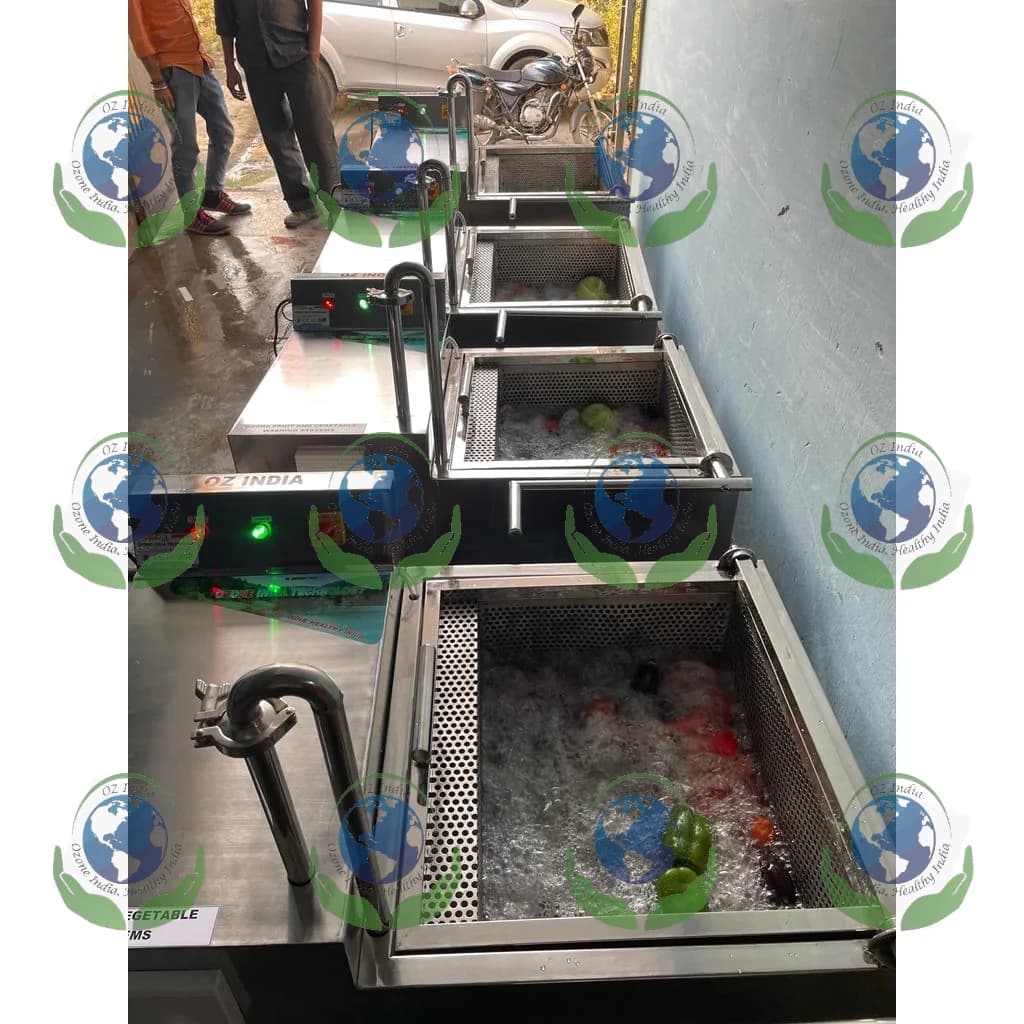
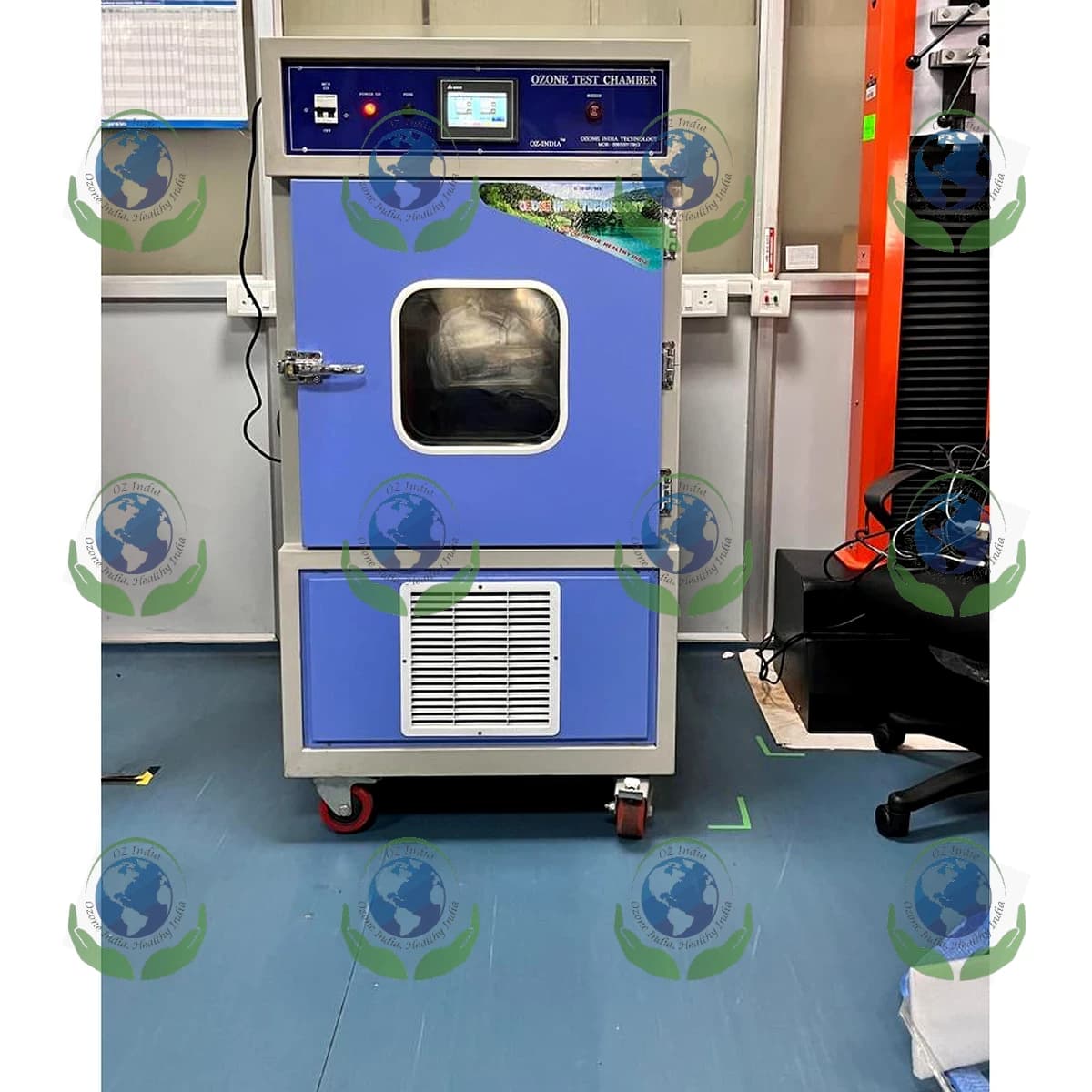
Regulatory Compliance & Why Us
FDA Ghana — Food and Drugs Authority Ghana
CE & ISO 9001:2015 certified — full documentation for:
- FDA Ghana food safety regulations
- GS ISO 9001
- WHO Guidelines
CE Marking
CE-2621A
ISO 9001:2015
UQ-270426AD1
ISO 12100
UQ-27426AD89
RoHS
QA-2704A2
Why Ozone India Technology for Ghana?
CE marking satisfies EU import requirements — essential for Ghanaian export food facilities
FDA Ghana GMP documentation package supplied with every system purchase
India-Ghana established trade route via Tema port — competitive freight timelines
No minimum order — single-unit exports with full CE and ISO documentation
Systems sized for small SME processors through large industrial food processing plants
Industry Applications in Ghana
Industry
Overview
Ghana · Africa
Ghana's water sector faces a dual challenge of rapid urbanisation and persistent rural access gaps. As of 2021, only 46% of the population uses safely managed drinking water services, according to the WHO/UNICEF Joint Monitoring Programme. Urban centres such as Accra, Kumasi, and Tema are served by the Ghana Water Company Limited (GWCL), which draws from surface sources including the Volta Lake and the Birim and Densu rivers. Industrial growth around the Tema Free Zones and the Jubilee oil field has intensified effluent loads on coastal waterways. The Ghana EPA enforces effluent limits under the Environmental Assessment Regulations (LI 1652), yet treatment infrastructure at many processing facilities remains inadequate. Ozone-based advanced oxidation is increasingly adopted at larger treatment works to address turbidity spikes, microbiological contamination, and taste-and-odour compounds from algal blooms in the Volta basin.
Ghana is the world's second-largest cocoa producer, supplying approximately 900,000 tonnes per year (ICCO, 2022), and a growing exporter of tuna, shrimp, and fresh pineapples. The EU is Ghana's single most important export market for agricultural commodities, and compliance with EC Regulation 852/2004 on food hygiene and EC Regulation 853/2004 on animal-origin foods is mandatory for market access. EU border rejections for Ghanaian fishery products have historically centred on elevated microbial counts and improper cold-chain documentation. Ozone-wash systems operating at 1–3 mg/L for 2–5 minutes eliminate surface pathogens — Salmonella, Listeria, and Vibrio — without generating halogenated disinfection by-products, enabling processors in Tema port facilities to meet EU microbiological criteria and reduce dependence on chlorine-based wash water that leaves residues on delicate produce surfaces.
Food safety in Ghana is governed by the Food and Drugs Authority (FDA Ghana) under the Food and Drugs Act, 2012 (Act 851), which mandates HACCP-based quality management for all food businesses. The Ghana Standards Authority (GSA) issues GS 175, the national drinking water standard, and GS 781 for packaged water, both aligned with WHO Guidelines for Drinking-water Quality, 4th edition. Industrial effluent discharge is regulated by the Environmental Protection Agency Ghana under LI 1652, with BOD limits of 50 mg/L and COD limits of 250 mg/L for discharge to receiving water bodies. The Food and Agriculture Organisation's Codex Alimentarius standards, particularly CAC/RCP 1-1969, are recognised by FDA Ghana, establishing maximum residue levels that ozone treatments easily satisfy, as ozone decomposes to oxygen without leaving detectable residues.
Ozone technology addresses two of Ghana's most acute water quality problems: microbiological contamination and natural organic matter from the Volta basin. High turbidity events following seasonal rains increase the chlorine demand at water treatment plants, causing chlorine dosing to rise and trihalomethane (THM) formation to exceed WHO guideline values. Pre-ozonation at 1–2 mg/L substantially reduces natural organic matter prior to conventional filtration, cutting THM formation potential by 40–60%. In the cocoa post-harvest sector, ozonated water applied at wash stages reduces fungal load — particularly Aspergillus species responsible for aflatoxin — extending storage life. Inland fish farms in the Volta region and coastal tuna processors at Tema benefit from ozone-based water recirculation systems that maintain dissolved oxygen above 7 mg/L while eliminating Aeromonas and Pseudomonas, reducing antibiotic use in compliance with EU import requirements.
CE-certified ozone systems manufactured in India represent a strategically advantageous procurement choice for Ghanaian buyers. India's manufacturing cost base delivers equivalent or superior engineering at 30–45% lower capital cost compared with European and North American suppliers, while CE marking satisfies FDA Ghana and GSA third-party equipment approval requirements without additional testing obligations. India and Ghana share Commonwealth trade ties and an active bilateral trade relationship; Indian-made equipment attracts preferential financing through the Export–Import Bank of India's line-of-credit programmes available to Ghanaian government and private-sector buyers. Technical service can be routed through established Indian engineering communities in Accra and Tema. ISO 9001:2015 certification of the manufacturing facility provides the quality management evidence that institutional purchasers — GWCL, cocoa processing cooperatives, and EU-export certified canneries — require before issuing purchase orders for critical water and food safety infrastructure.
Sourced Data
Ghana — Market Statistics
All figures sourced from WHO, FAO, World Bank, and national agencies.
- Safely Managed Drinking Water Access
- 46%
- Annual Cocoa Production
- ~900,000 tonnes
- Tema Port Container Traffic Share
- ~90% of Ghana's containers
- Population Without Safely Managed Sanitation
- ~79%
- Agricultural Sector GDP Contribution
- ~20%
- EU Food Safety Rejection Rate (Fishery Products)
- Among top flagged in Sub-Saharan Africa
WHO/UNICEF Joint Monitoring Programme (JMP) · 2021
International Cocoa Organization (ICCO) · 2022
Ghana Ports and Harbours Authority (GPHA) · 2022
WHO/UNICEF JMP · 2021
World Bank Open Data — Ghana · 2022
European Commission RASFF Portal · 2022
Peer-Reviewed Evidence
Research & Scientific Basis
Published studies supporting ozone treatment in Ghana's industrial context.
Ozone: Science and Engineering — Application and Role in Food Safety
Rice RG · Ozone: Science & Engineering · 1996
Rice documented that ozone at concentrations of 1–3 mg/L achieves 3–5 log reduction of bacterial pathogens — including Salmonella and Listeria species — on food contact surfaces within 2 minutes of contact time. This is directly applicable to Ghana's tuna and shrimp processing sector, where EU-import microbiological criteria require surface counts below 100 CFU/cm² on ready-to-eat fishery products, a standard consistently achieved with in-line ozone wash systems.
Microbial Applications of Ozone as a GRAS Antimicrobial Agent — A Review
Khadre MA, Yousef AE, Kim JG · Journal of Food Science · 2001
Khadre et al. confirmed that ozone treatment of fresh produce at 1–5 mg/L eliminates surface moulds including Aspergillus flavus — the primary aflatoxin-producing fungus — reducing aflatoxin contamination risk in cocoa beans and dried fruits. For Ghana, which loses an estimated 5–10% of cocoa value to mycotoxin-related rejections, ozone application at wash and pre-storage stages offers a commercially viable, residue-free alternative to chemical fungicides.
Ozonation of Drinking Water: Part I. Oxidation Kinetics and Product Formation
Von Gunten U · Water Research · 2003
Von Gunten's foundational analysis of ozonation kinetics demonstrated that ozone at CT values of 0.5–1.0 mg·min/L achieves Giardia cyst inactivation of ≥3 log and reduces natural organic matter by 20–40%, limiting trihalomethane precursor formation. This is critical for Ghana Water Company Limited plants on the Birim and Densu rivers, where seasonal high-NOM events cause chlorine demand to spike and THM concentrations to breach WHO guideline values of 300 μg/L (total THMs).
Parameter Compliance
FDA Ghana Regulatory Parameters
How our certified systems perform against Ghana's official limits.
| Parameter | FDA Ghana Limit | Our System Output | Standard |
|---|---|---|---|
| Total Coliform (Drinking Water) | 0 CFU/100 mL | Non-detectable | GS 175 / WHO GDWQ 4th Ed. |
| Turbidity | ≤ 5 NTU | < 1 NTU (post-ozone + filtration) | GS 175 |
| Residual Disinfectant (Ozone) | ≤ 0.3 mg/L at point of use | 0.05–0.2 mg/L (adjustable) | WHO GDWQ 4th Ed. |
| BOD (Effluent Discharge) | ≤ 50 mg/L | < 20 mg/L (ozone + bio-treatment) | EPA Ghana LI 1652 |
| COD (Effluent Discharge) | ≤ 250 mg/L | < 80 mg/L | EPA Ghana LI 1652 |
| Total Suspended Solids (Effluent) | ≤ 30 mg/L | < 10 mg/L | EPA Ghana LI 1652 |
Sector Breakdown
Industry Applications in Ghana
Key sectors, production scale, and how ozone technology addresses each challenge.
| Sector | Scale / Value | Challenge | Our Solution |
|---|---|---|---|
| Cocoa Processing & Export | ~$2.5B export value | Aflatoxin contamination, EU MRL compliance, surface microbial load on dried beans | Ozone fruit-and-bean wash systems at 1–3 mg/L; ozone cold-storage fumigation to suppress mould growth |
| Tuna & Shrimp Processing (Tema Port) | ~$200M export value | EU EC 853/2004 microbiological criteria; Vibrio and Salmonella on contact surfaces | Inline ozone wash tunnels with automatic dose control; ozone CIP for processing lines |
| Municipal Water Treatment (GWCL) | Public utility — 3M+ urban consumers served | High turbidity from Volta/Birim rivers; THM formation from chlorination; seasonal algal blooms | Pre-ozonation systems 10–350 g/hr reducing NOM and THM precursors before sand filtration |
| Bottled & Packaged Water | ~$120M retail market | GS 781 microbiological compliance; consumer preference for chemical-free treatment | Compact ozone generators (2–25 g/hr) integrated with UV barrier for zero-chlorine bottling lines |
| Inland Aquaculture (Volta Region) | ~$50M farm-gate value | Aeromonas and Pseudomonas in recirculating systems; antibiotic-residue EU restrictions | Ozone recirculation systems maintaining DO > 7 mg/L and microbial control without antibiotic use |
| Industrial Estates Effluent (Tema, Accra) | Regulatory compliance mandate | Colour, phenol, and COD in textile and food factory effluent breaching EPA Ghana limits | Ozone advanced oxidation (1–10 kg/hr systems) for colour removal and COD reduction before discharge |
Cocoa Processing & Export
~$2.5B export value
Aflatoxin contamination, EU MRL compliance, surface microbial load on dried beans
Ozone fruit-and-bean wash systems at 1–3 mg/L; ozone cold-storage fumigation to suppress mould growth
Tuna & Shrimp Processing (Tema Port)
~$200M export value
EU EC 853/2004 microbiological criteria; Vibrio and Salmonella on contact surfaces
Inline ozone wash tunnels with automatic dose control; ozone CIP for processing lines
Municipal Water Treatment (GWCL)
Public utility — 3M+ urban consumers served
High turbidity from Volta/Birim rivers; THM formation from chlorination; seasonal algal blooms
Pre-ozonation systems 10–350 g/hr reducing NOM and THM precursors before sand filtration
Bottled & Packaged Water
~$120M retail market
GS 781 microbiological compliance; consumer preference for chemical-free treatment
Compact ozone generators (2–25 g/hr) integrated with UV barrier for zero-chlorine bottling lines
Inland Aquaculture (Volta Region)
~$50M farm-gate value
Aeromonas and Pseudomonas in recirculating systems; antibiotic-residue EU restrictions
Ozone recirculation systems maintaining DO > 7 mg/L and microbial control without antibiotic use
Industrial Estates Effluent (Tema, Accra)
Regulatory compliance mandate
Colour, phenol, and COD in textile and food factory effluent breaching EPA Ghana limits
Ozone advanced oxidation (1–10 kg/hr systems) for colour removal and COD reduction before discharge
Ready to export to Ghana
Deploy Ozone Technology in Ghana
CE & ISO 9001:2015 certified. Full export documentation. Factory-direct from Greater Noida, India.