
Europe · UBA
Ozone Generator for Germany — Water Treatment, Automotive Test Chambers & Pharma
Germany is Europe's largest industrial market with stringent DIN and CE requirements. TrinkwV 2001 mandates validated disinfection for drinking water — ozone and UV are the primary approved technologies. German automotive OEMs including BMW, Mercedes-Benz, and Volkswagen require DIN EN ISO 1431 ozone test chambers and DIN EN ISO 9227 salt spray chambers from their Tier 1 and Tier 2 suppliers. Our CE-2621A, ISO 9001:2015, and ISO 12100:2010 certified products are supplied with complete CE documentation meeting German industrial procurement requirements.
- CE Marking
- ISO 9001:2015
- ISO 12100
- RoHS
Challenges and Solutions for Germany
Key Challenges in Germany
TrinkwV 2001 (German Drinking Water Ordinance) requires validated ozone or UV treatment for chemical-free disinfection
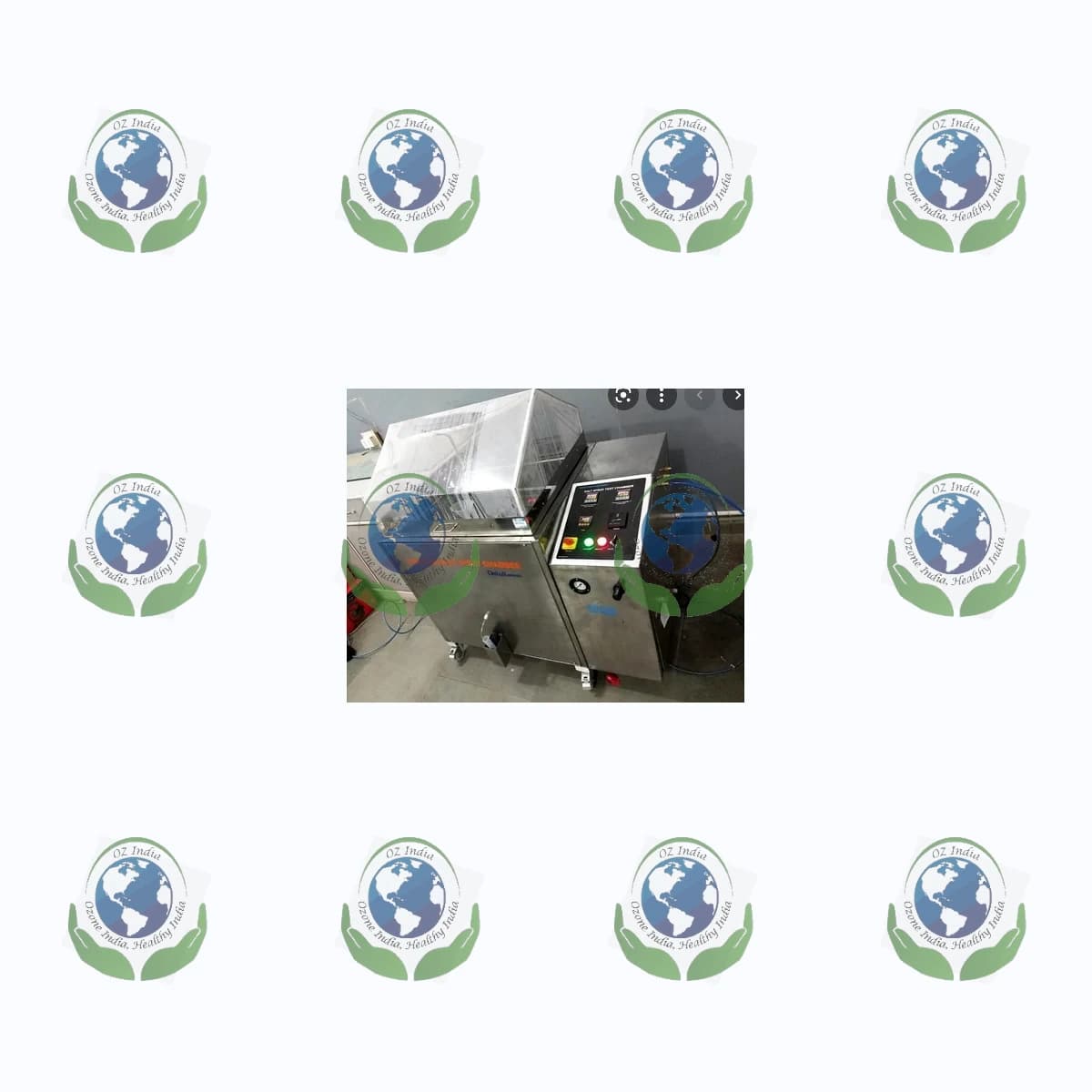
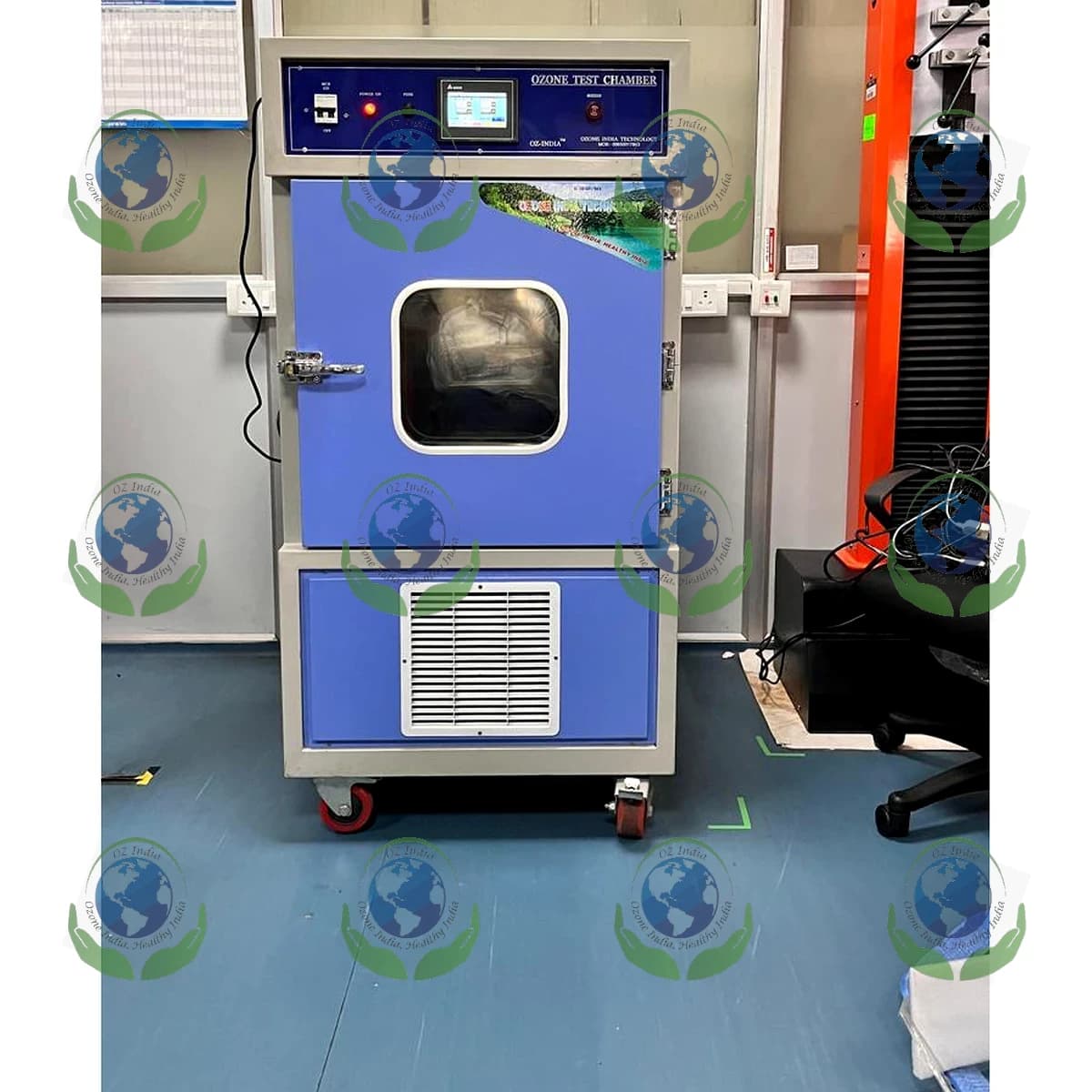
German automotive OEMs (BMW, Mercedes, VW) require DIN EN ISO 1431-compliant ozone test chambers for rubber parts qualification
DIN EN ISO 9227 salt spray testing is mandatory in German automotive and industrial corrosion qualification
CE 2014/35/EU Low Voltage Directive compliance with German-language technical file is required for industrial equipment
How We Solve It
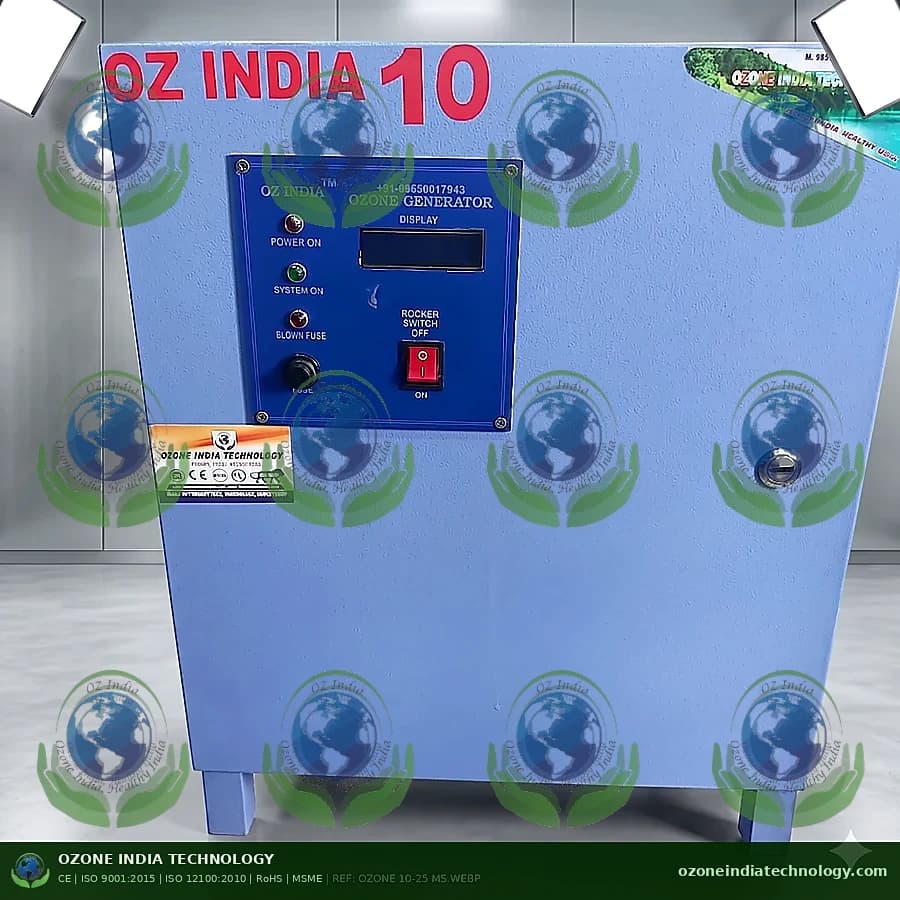
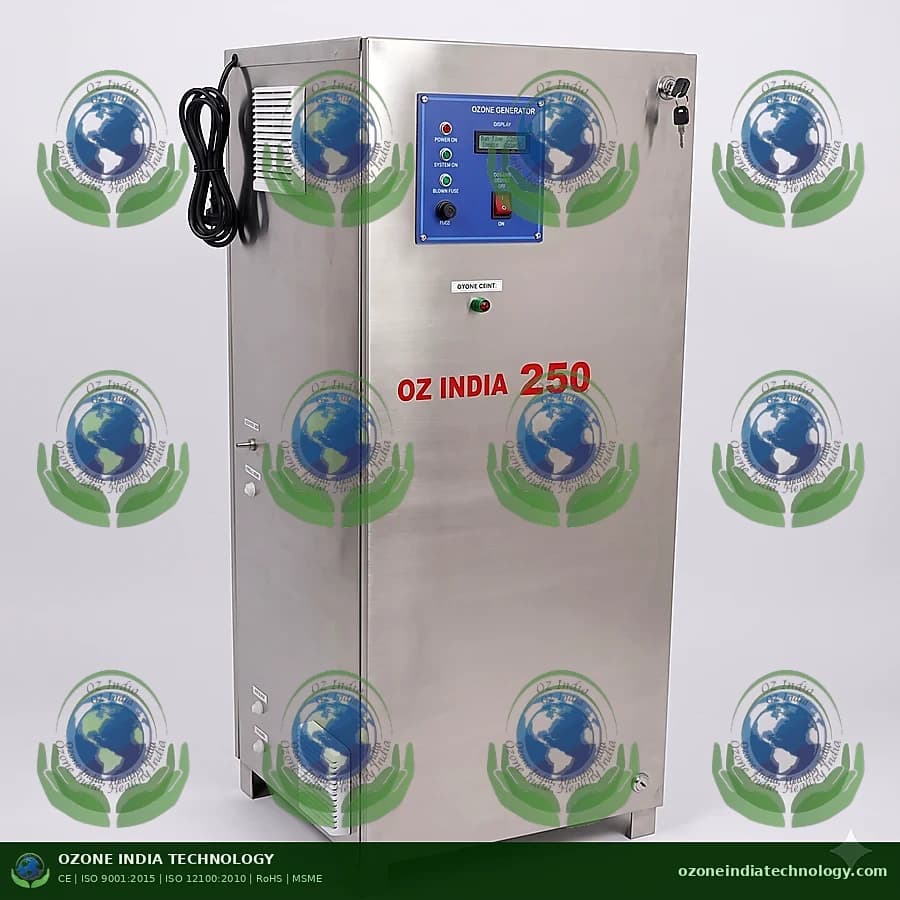
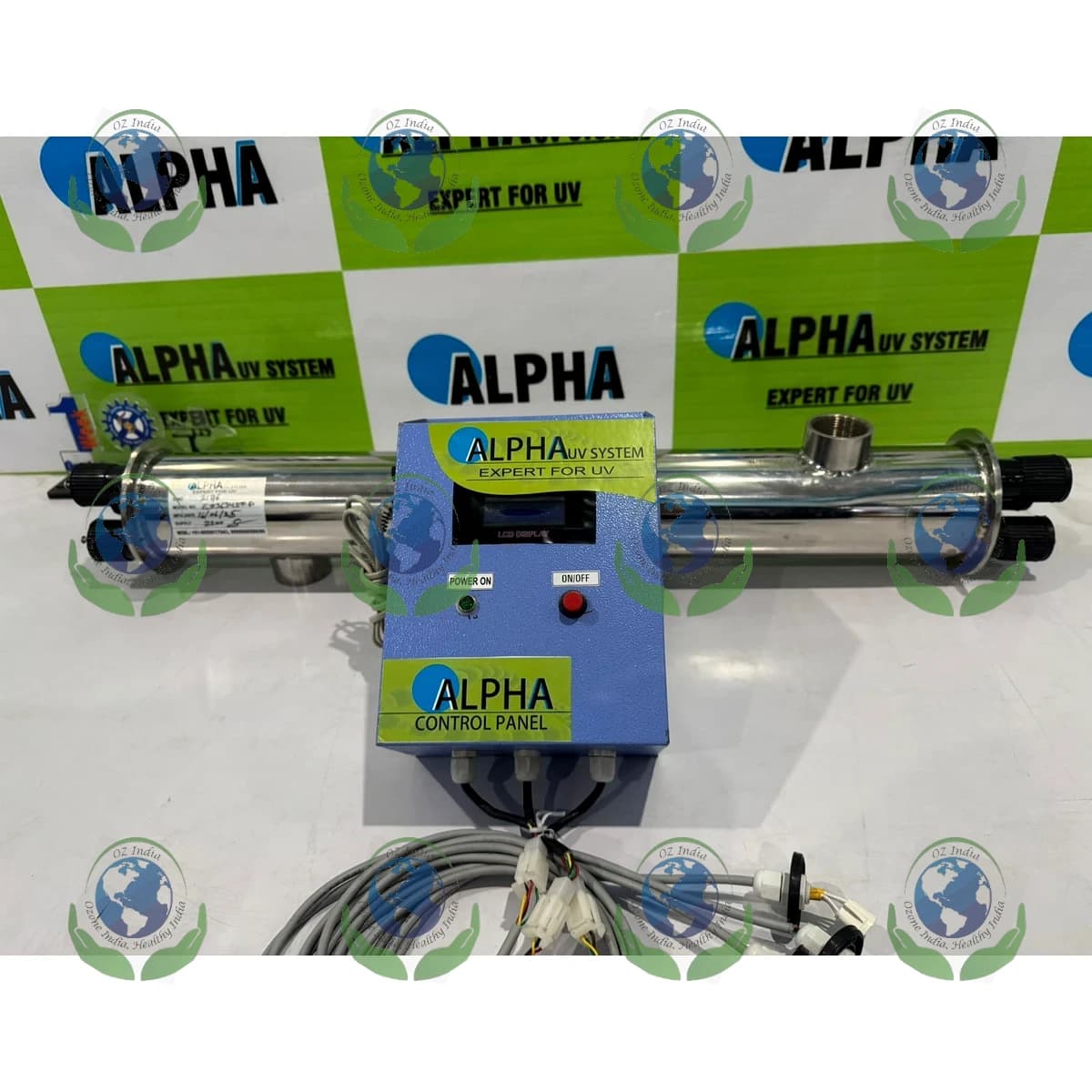
CE-certified ozone and UV water treatment systems meeting TrinkwV 2001 disinfection requirements
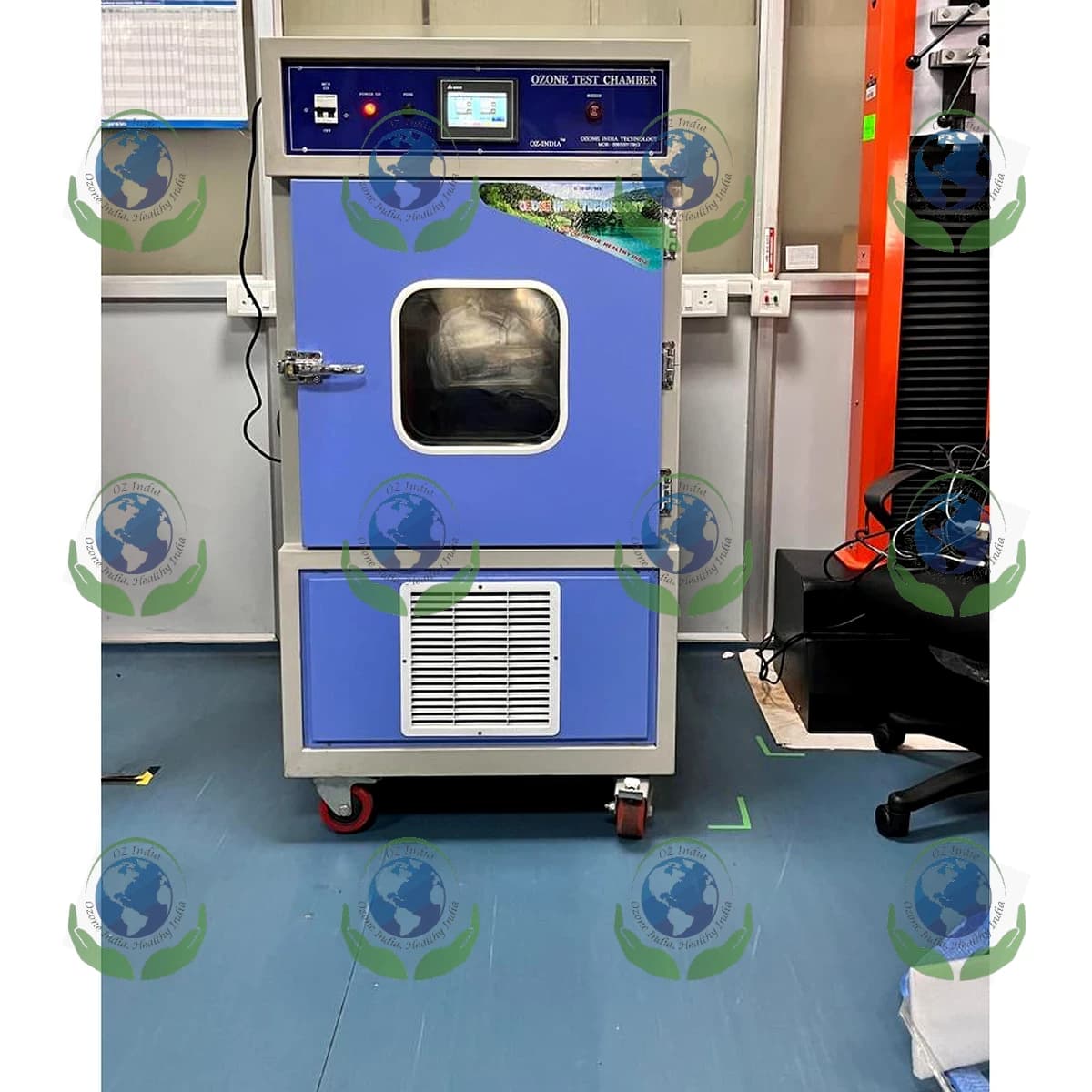
Ozone test chambers to DIN EN ISO 1431 and DIN EN 13623 for German automotive rubber qualification
Salt spray test chambers to DIN EN ISO 9227 for German industrial and automotive corrosion testing
Full CE Declaration of Conformity and EU technical file supplied in English with German summary available
Recommended
Products for Germany
Regulatory Compliance & Why Us
UBA — Umweltbundesamt (Federal Environment Agency)
CE & ISO 9001:2015 certified — full documentation for:
- DIN EN 13623
- TrinkwV 2001
- DIN EN ISO 1431
- CE 2014/35/EU
- DIN EN ISO 9227
CE Marking
CE-2621A
ISO 9001:2015
UQ-270426AD1
ISO 12100
UQ-27426AD89
RoHS
QA-2704A2
Why Ozone India Technology for Germany?
CE-2621A and ISO 9001:2015 certified — mandatory for all equipment supplied to German industry
ISO 12100:2010 machine safety certification satisfies German machinery directive requirements
DIN EN ISO 1431 and DIN EN ISO 9227 compliant test chambers at significant cost advantage over German OEMs
German-language quotations and technical summaries available on request
Factory-direct pricing — 40–60% cost saving versus equivalent German-manufactured test chambers