Africa · ESA
Ozone Generator for Ethiopia — Drinking Water Purification & Food Safety
Ethiopia's growing urban population and expanding food export sector require reliable water treatment that meets WHO drinking water guidelines and ESA standard ES 261. Ozone-based disinfection eliminates fluoride byproducts associated with chemical chlorination, making it suitable for regions with elevated fluoride levels in groundwater. CE documentation supports duty exemption under EAC trade agreements.
- CE Marking
- ISO 9001:2015
- ISO 12100
- RoHS
~43%
Population with safely managed drinking water access
WHO/UNICEF Joint Monitoring Programme (JMP) · 2021
2–20 mg/L (WHO guideline: 1.5 mg/L)
Fluoride concentration in Rift Valley groundwater
WHO / Ethiopian Ministry of Health Fluoride Assessment · 2018
USD 1.4 billion
Coffee export value
Ethiopian Commodity Exchange (ECX) · 2022
Challenges and Solutions for Ethiopia
Key Challenges in Ethiopia
Elevated fluoride levels in Rift Valley groundwater exceed WHO guidelines, causing dental and skeletal fluorosis in communities
Waterborne disease outbreaks from untreated surface water in rapidly growing cities and towns
Limited access to purification chemicals in remote regions makes chemical-dependent treatment impractical
Growing food export sector — coffee, flowers, and vegetables — requires modern certified sanitation equipment
How We Solve It
Ozone oxidation reduces fluoride-associated organic compounds, producing WHO-compliant drinking water per ES 261
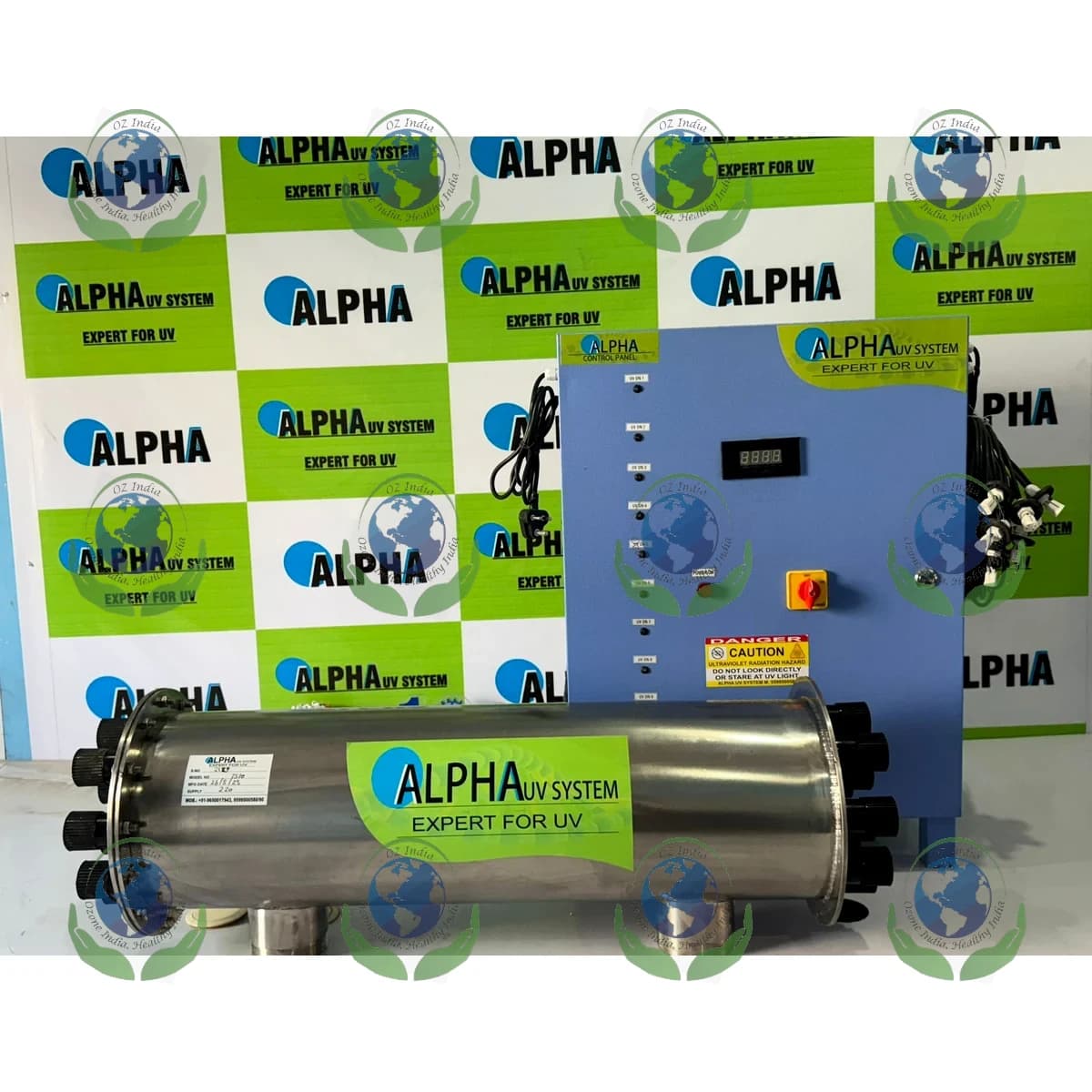
UV disinfection systems provide pathogen-free drinking water without chemical inputs in remote and off-grid installations
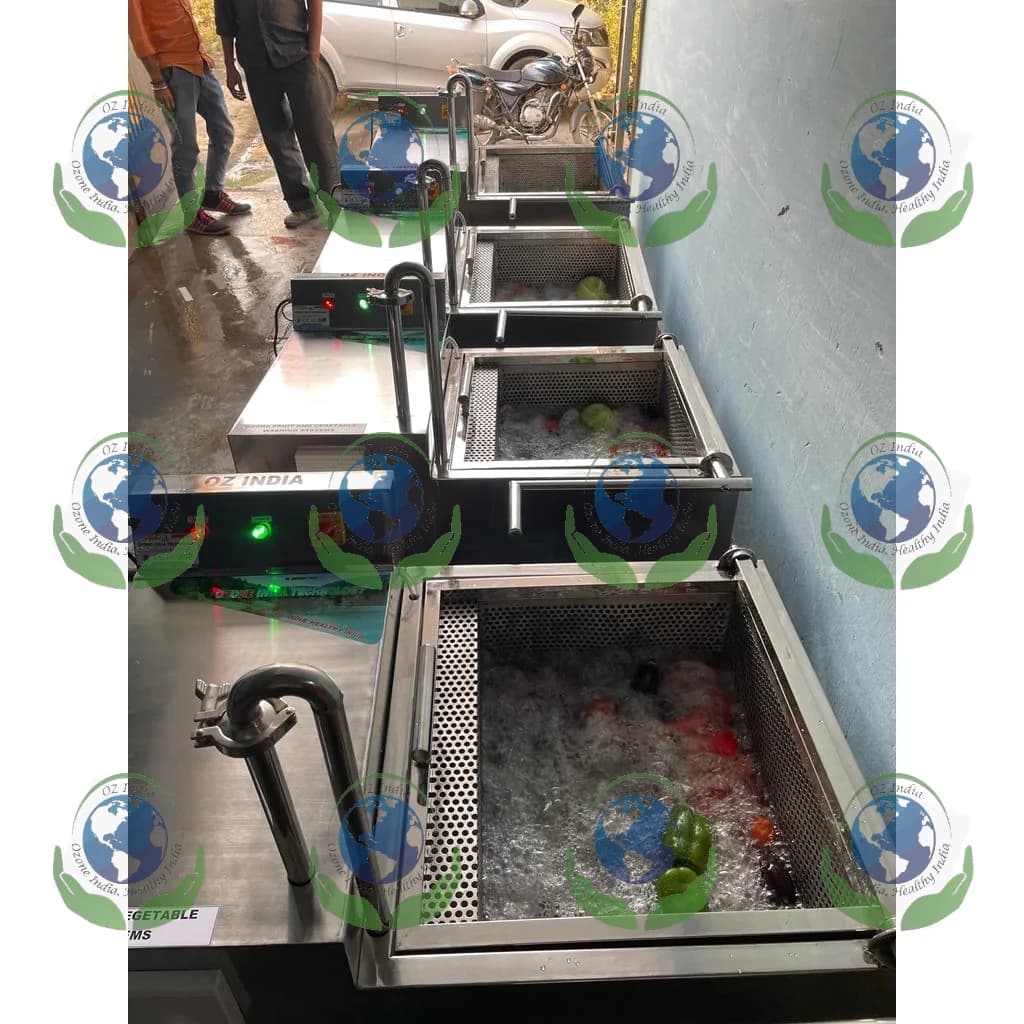
CE-certified fruit and vegetable washers support food safety compliance for EU and Gulf market exporters
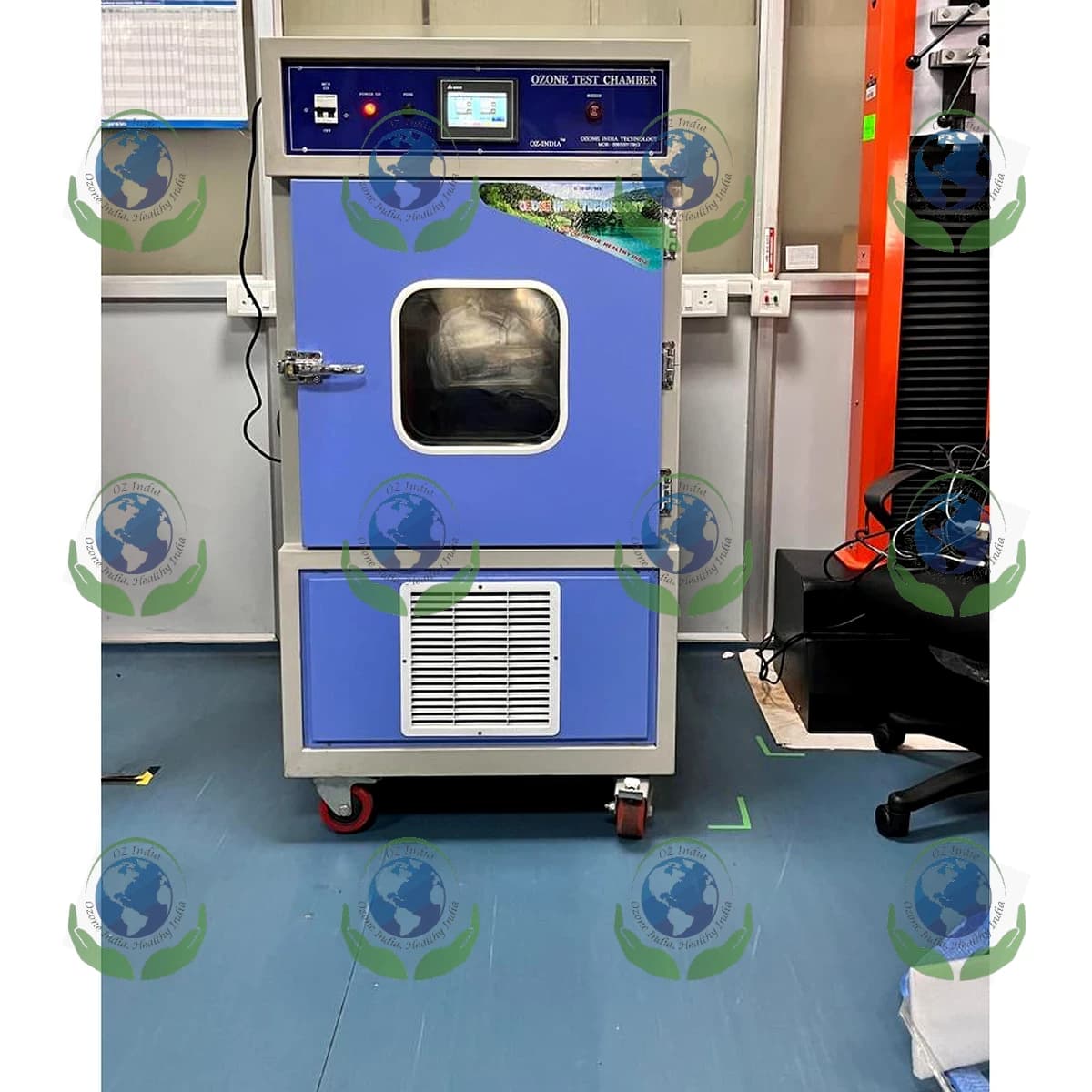
Ozone test chambers validate equipment performance under Ethiopian temperature and humidity conditions
Recommended
Products for Ethiopia
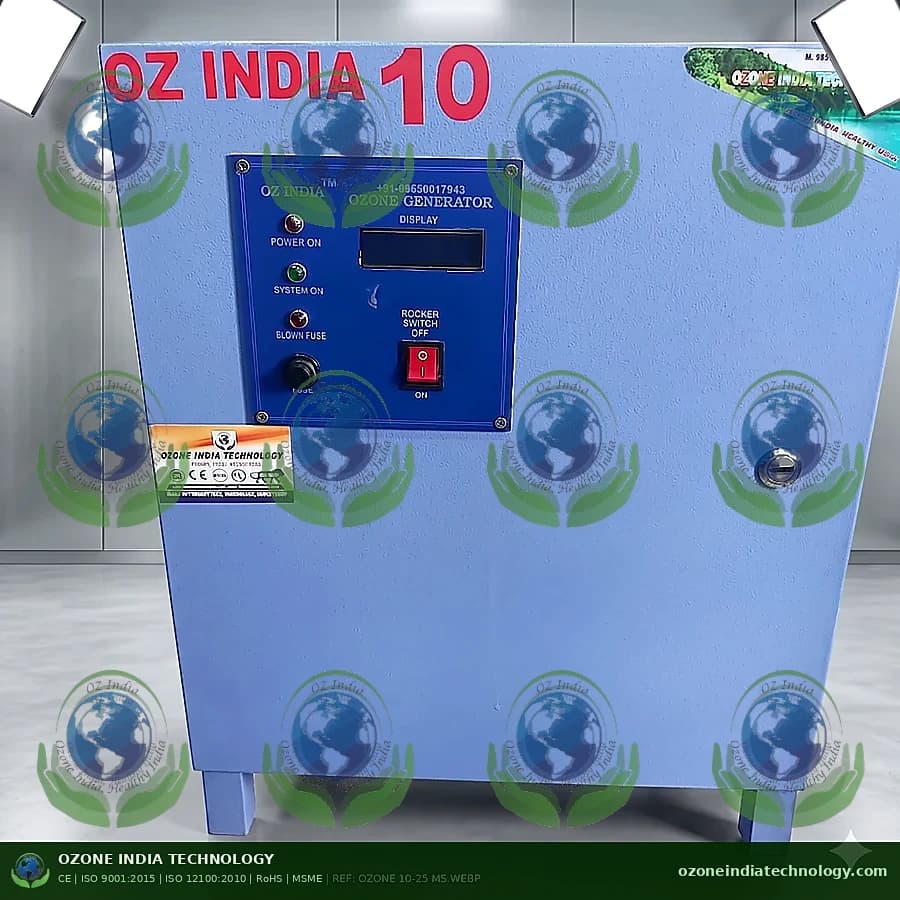
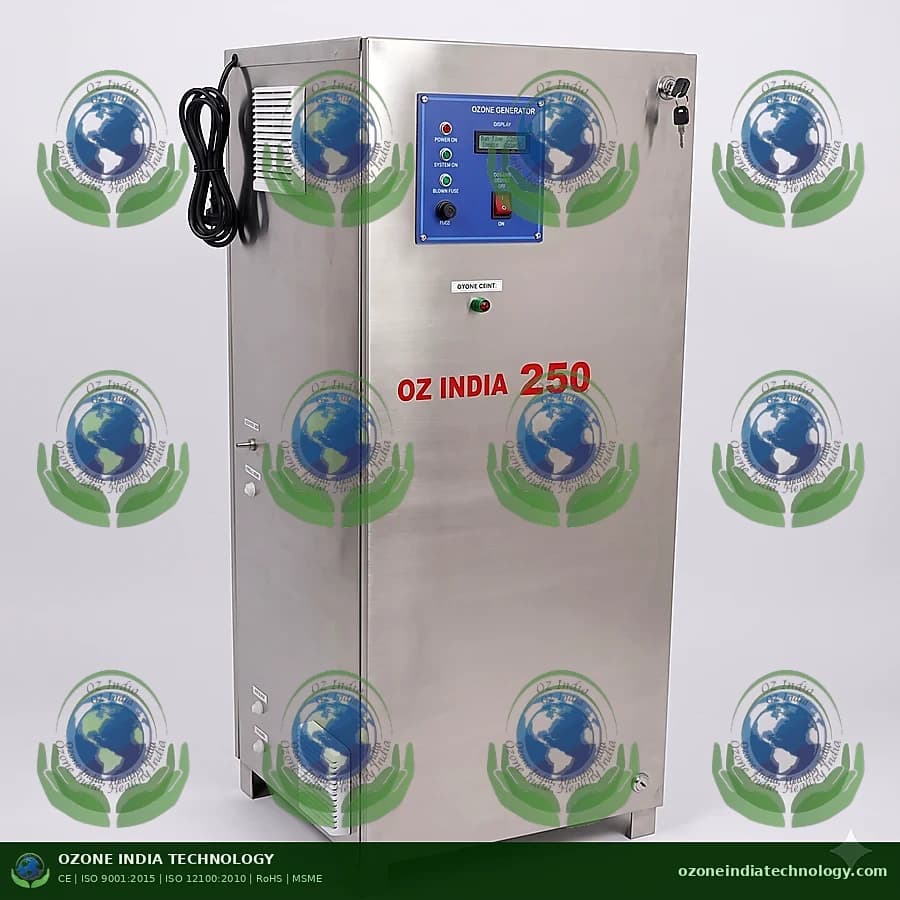
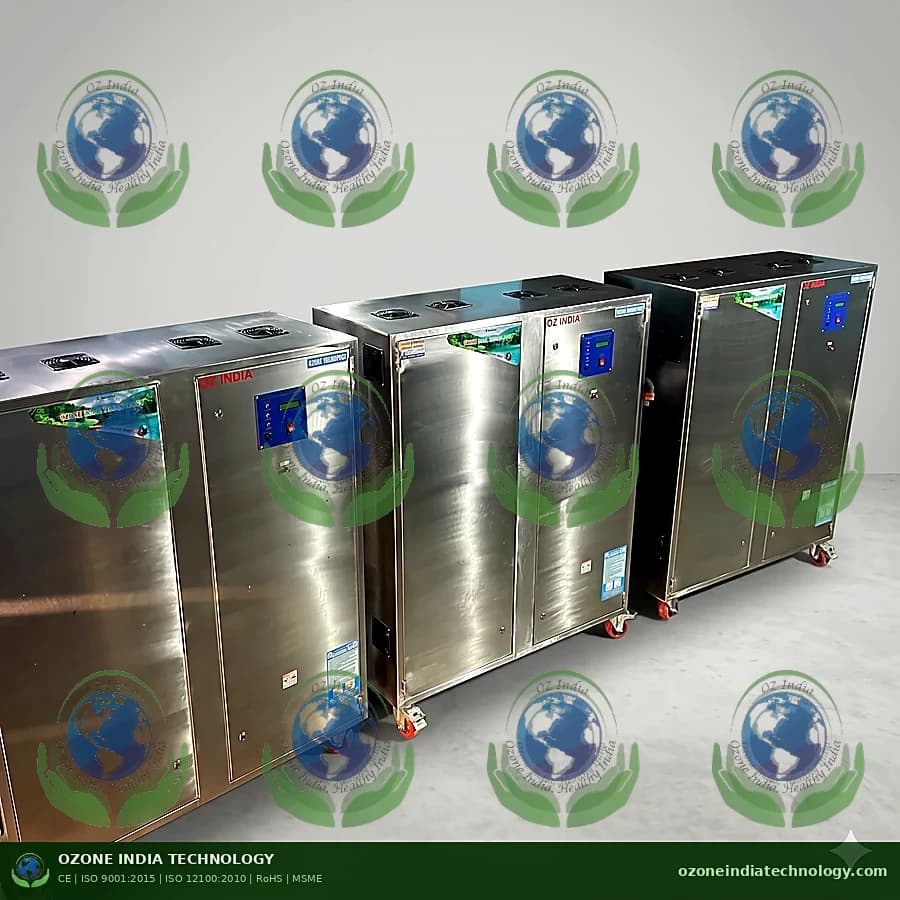
Regulatory Compliance & Why Us
ESA — Ethiopian Standards Agency
CE & ISO 9001:2015 certified — full documentation for:
- ES 261
- ESA drinking water standards
- WHO Guidelines
CE Marking
CE-2621A
ISO 9001:2015
UQ-270426AD1
ISO 12100
UQ-27426AD89
RoHS
QA-2704A2
Why Ozone India Technology for Ethiopia?
EAC trade agreement provides duty benefits when importing CE-certified ozone equipment
WHO-compliant system outputs — ESA-recognised documentation for facility and import registration
Chemical-free operation ideal for remote sites with limited chemical supply chains
Direct shipping from Greater Noida, India — competitive pricing for East African buyers
Systems available from small community scale (2g/hr) to municipal scale (1 kg/hr+)
Industry Applications in Ethiopia
Industry
Overview
Ethiopia · Africa
Ethiopia, with an estimated population of approximately 120 million people as of 2023 — making it the second most populous country in Africa — confronts water access challenges of continental significance. Only approximately 43% of Ethiopians have access to safely managed drinking water, according to the WHO/UNICEF Joint Monitoring Programme 2021 data, leaving over 60 million people reliant on unimproved sources including unprotected hand-dug wells and surface water. The country's Great Rift Valley presents a particularly acute hydrochemical challenge: documented fluoride concentrations of 2–20 mg/L in groundwater sources across the Valley far exceed the WHO guideline value of 1.5 mg/L, causing endemic dental and skeletal fluorosis in communities that have depended on the same boreholes for generations. The Ethiopian Ministry of Water and Energy (MoWE) has prioritised the One WASH National Programme (OWNP) as the policy framework for universal water access, creating significant infrastructure investment pipelines for water treatment technology across rural and peri-urban Ethiopia.
Ethiopia's economy is growing rapidly and diversifying away from subsistence agriculture into commercial agro-processing and light manufacturing. Coffee — Ethiopia's gift to the world as the birthplace of Coffea arabica — remains the dominant export commodity, generating approximately USD 1.4 billion in foreign exchange in 2022 through the Ethiopian Commodity Exchange (ECX). Coffee wet-processing stations, which use large volumes of water to ferment and wash cherries, generate high-strength wastewater (BOD 5,000–20,000 mg/L) that is acutely toxic to river systems. The floriculture sector, incubated in the highlands near Addis Ababa at elevations of 2,000–2,400 metres, now generates over USD 300 million annually in flower exports according to the Ethiopian Horticulture Development Agency (EHDA), with Ethiopian roses and lilies sold in Amsterdam's FloraHolland auction market. Both sectors have urgent needs for clean process water and compliant effluent treatment.
Ethiopia's regulatory environment for water and environmental quality is administered by the Ethiopian Environment and Forest Research Institute (EEFRI) and the Ministry of Water and Energy, with environmental permits issued by the Ethiopian Environmental Authority (EEA) under Proclamation No. 300/2002 on Environmental Impact Assessment. The Ethiopian Standard ES 261:2013 sets potable water quality limits broadly aligned with WHO guidelines, while the environmental guidelines for liquid waste discharge set COD limits of 250 mg/L and BOD of 60 mg/L for industrial effluent. The Ministry of Agriculture and the Horticultural Producers and Exporters Association of Ethiopia (HORPEA) enforce GLOBALGAP and EHPEA codes of practice for the floriculture sector, which include strict requirements for irrigation water quality and crop protection chemical management. Ethiopian development banks, including the Development Bank of Ethiopia (DBE), increasingly require ISO-certified and internationally recognised equipment in project financing applications.
Ozone technology is well-positioned to address Ethiopia's dual water challenges — elevated fluoride in drinking water sources and high-BOD agro-industrial effluent — through complementary applications. While ozone alone does not remove fluoride ions (which require coagulation-precipitation or membrane processes), ozone pre-treatment oxidises the humic and fulvic acid complexes that co-transport fluoride in Rift Valley groundwater, improving the efficiency of subsequent adsorption treatments. For coffee wet-processing stations, ozone-assisted treatment of pulping wastewater can reduce BOD from 10,000–20,000 mg/L to below 500 mg/L in a two-stage ozone-then-biological process, enabling the more than 2,000 registered wet processing stations across Sidama, Yirgacheffe, Guji, and Harrar zones to meet Ethiopian EEA discharge standards. In floriculture, ozone-treated irrigation water at farms around Ziway, Debre Berhan, and Holeta eliminates bacterial and fungal pathogens that cause post-harvest stem blockage and reduce vase life.
Indian CE-certified ozone systems carry specific advantages in the Ethiopian procurement landscape. Ethiopia's major infrastructure programmes — including water treatment plants under the One WASH National Programme — are co-financed by the World Bank, African Development Bank (AfDB), and bilateral donors who mandate internationally certified equipment in their procurement guidelines. CE marking and ISO 9001:2015 certification satisfy these multilateral donor requirements directly, enabling Ozone India Technology to participate in WASH programme tenders administered by the Ministry of Water and Energy. India-Ethiopia bilateral trade has grown consistently, supported by direct air freight from Mumbai and Chennai to Addis Ababa Bole International Airport, with competitive transit times of 3–5 days for air freight or 25–30 days via Djibouti port. The Ethiopian Birr's managed exchange rate regime makes USD-denominated equipment procurement straightforward through the Ethiopian Commercial Bank's LC framework, and Indian suppliers' familiarity with the Documentation Against Payment (D/P) terms common in Ethiopian trade further reduces transaction friction.
Sourced Data
Ethiopia — Market Statistics
All figures sourced from WHO, FAO, World Bank, and national agencies.
- Population with safely managed drinking water access
- ~43%
- Fluoride concentration in Rift Valley groundwater
- 2–20 mg/L (WHO guideline: 1.5 mg/L)
- Coffee export value
- USD 1.4 billion
- Floriculture export value
- USD 300 million+
- Ethiopia population (2nd most populous in Africa)
- ~120 million people
- Coffee wet-processing wastewater BOD
- 5,000–20,000 mg/L
WHO/UNICEF Joint Monitoring Programme (JMP) · 2021
WHO / Ethiopian Ministry of Health Fluoride Assessment · 2018
Ethiopian Commodity Exchange (ECX) · 2022
Ethiopian Horticulture Development Agency (EHDA) · 2022
United Nations Population Division · 2023
FAO / Ethiopian Environmental Authority · 2019
Peer-Reviewed Evidence
Research & Scientific Basis
Published studies supporting ozone treatment in Ethiopia's industrial context.
Ozonation of Drinking Water: Part I. Oxidation Kinetics and Product Formation
Von Gunten, U. · Water Research · 2003
Demonstrated ozone's ability to oxidise humic and fulvic acid complexes in groundwater — the organic ligands that co-transport fluoride in Ethiopian Rift Valley aquifers. By degrading these complexes, ozone pre-treatment improves the performance of downstream fluoride removal steps (bone-char or activated alumina adsorption) by reducing competitive DOC loading on adsorbent surfaces, thereby extending filter media life and reducing operational costs for WASH projects.
Uses of Ozone in Drinking Water Treatment
Rice, R.G. · Ozone: Science & Engineering · 1996
Comprehensive review of ozone's oxidative pathways for recalcitrant organics, directly applicable to Ethiopian coffee processing wastewater treatment. The paper establishes that ozone doses of 30–50 mg/L can reduce COD of high-strength agro-industrial effluent by 40–60%, providing the technical basis for two-stage ozone + biological treatment of coffee wet-mill wastewater in Sidama, Guji, and Yirgacheffe zones to meet Ethiopian Environmental Authority limits.
Application of Ozone for Enhancement of the Microbiological Safety and Quality of Fresh Fruits and Vegetables
Kim, J.G., Yousef, A.E., Dave, S. · Journal of Food Protection · 1999
Demonstrated 3–5 log pathogen reduction on fresh produce surfaces using aqueous ozone at 1–2 ppm, applicable to Ethiopia's floriculture sector around Ziway and Holeta. Post-harvest stem-end bacterial infections are the primary cause of reduced vase life in Ethiopian roses shipped through Amsterdam's FloraHolland, and ozone-treated cold water used in post-harvest hydration reduces these microbial loads to levels consistent with 14-day vase life requirements of European supermarket buyers.
Parameter Compliance
ESA Regulatory Parameters
How our certified systems perform against Ethiopia's official limits.
| Parameter | ESA Limit | Our System Output | Standard |
|---|---|---|---|
| Total Coliforms | 0 CFU/100 mL (ES 261:2013) | Non-detectable (<1 CFU/100 mL) | Ethiopian Standard ES 261:2013 (Potable Water) |
| Fluoride (potable water) | 1.5 mg/L (ES 261:2013 / WHO aligned) | <1.0 mg/L (ozone pre-treatment + adsorption) | Ethiopian Standard ES 261:2013 |
| Turbidity | 5 NTU (ES 261:2013) | <1 NTU | Ethiopian Standard ES 261:2013 |
| Industrial Effluent BOD (EEA discharge limit) | 60 mg/L (Ethiopian Environmental Guidelines) | <15 mg/L | Ethiopian Environmental Authority / Proclamation No. 300/2002 |
| Industrial Effluent COD | 250 mg/L (Ethiopian Environmental Guidelines) | <60 mg/L | Ethiopian Environmental Authority |
| Dissolved Iron (Fe) | 0.3 mg/L (ES 261:2013) | <0.05 mg/L | Ethiopian Standard ES 261:2013 |
Sector Breakdown
Industry Applications in Ethiopia
Key sectors, production scale, and how ozone technology addresses each challenge.
| Sector | Scale / Value | Challenge | Our Solution |
|---|---|---|---|
| Coffee Wet-Processing (Sidama, Guji, Yirgacheffe) | USD 1.4B export value (ECX 2022) | Wet-mill pulping wastewater BOD 5,000–20,000 mg/L; river pollution causing EEA shutdown orders; over 2,000 registered stations non-compliant | Ozone pre-treatment of wet-mill effluent; COD reduction 40–60% in 20-minute contact; enables downstream biogas digester to achieve EEA 60 mg/L BOD discharge limit |
| Floriculture (Roses, Lilies — Ziway, Holeta, Debre Berhan) | USD 300M+ (EHDA 2022) | Post-harvest stem-end bacterial infection reduces vase life below FloraHolland minimum; fungal contamination in cold chain water | Ozone-treated post-harvest hydration water at 0.5–1.5 ppm; 3–5 log bacterial reduction; vase life extended to 14+ days meeting Dutch supermarket buyer requirements |
| Bottled Water & Beverages (Addis Ababa, Dire Dawa) | ETB 12B sector revenue (Ethiopian Investment Commission 2022) | Rift Valley source water with elevated fluoride and iron; conventional chlorination forms THMs; HORPEA buyers demand chemical-free water | Ozone primary disinfection for bottling lines; removes iron and reduces organic DBP precursors; ES 261 coliform compliance with no chlorine taste |
| Textile & Garment Manufacturing (Hawassa Industrial Park) | USD 180M export target (Ethiopian Investment Commission 2022) | Reactive dye effluent COD 1,000–3,000 mg/L; EEA COD limit 250 mg/L; Hawassa park operators at risk of permit revocation | Ozone decolourisation at 20–50 mg/L dose; azo dye chromophore destruction in 15–30 minutes; COD reduction 50–70%; enables Hawassa park EEA compliance |
| Rural WASH & Community Water Schemes | USD 2.1B One WASH Programme total (World Bank / GoE 2022) | Borehole iron 1–10 mg/L and coliform contamination in highland schemes; solar power only; no liquid chemical supply chains in rural zones | Solar-compatible air-fed ozone generators; ambient air feed eliminates liquid oxygen dependency; iron oxidation and pathogen removal in single-pass systems for 500–5,000 person communities |
| Sugar & Ethanol Processing (Tendaho, Wonji, Metahara) | USD 220M (Ethiopian Sugar Corporation 2021) | Sugar mill effluent BOD 2,000–5,000 mg/L; EEA compliance requires polishing of biological treatment effluent before discharge to Awash River tributaries | Ozone tertiary polishing post-biological treatment; reduces BOD from 200 mg/L to <60 mg/L; eliminates colour and odour from molasses-bearing effluent |
Coffee Wet-Processing (Sidama, Guji, Yirgacheffe)
USD 1.4B export value (ECX 2022)
Wet-mill pulping wastewater BOD 5,000–20,000 mg/L; river pollution causing EEA shutdown orders; over 2,000 registered stations non-compliant
Ozone pre-treatment of wet-mill effluent; COD reduction 40–60% in 20-minute contact; enables downstream biogas digester to achieve EEA 60 mg/L BOD discharge limit
Floriculture (Roses, Lilies — Ziway, Holeta, Debre Berhan)
USD 300M+ (EHDA 2022)
Post-harvest stem-end bacterial infection reduces vase life below FloraHolland minimum; fungal contamination in cold chain water
Ozone-treated post-harvest hydration water at 0.5–1.5 ppm; 3–5 log bacterial reduction; vase life extended to 14+ days meeting Dutch supermarket buyer requirements
Bottled Water & Beverages (Addis Ababa, Dire Dawa)
ETB 12B sector revenue (Ethiopian Investment Commission 2022)
Rift Valley source water with elevated fluoride and iron; conventional chlorination forms THMs; HORPEA buyers demand chemical-free water
Ozone primary disinfection for bottling lines; removes iron and reduces organic DBP precursors; ES 261 coliform compliance with no chlorine taste
Textile & Garment Manufacturing (Hawassa Industrial Park)
USD 180M export target (Ethiopian Investment Commission 2022)
Reactive dye effluent COD 1,000–3,000 mg/L; EEA COD limit 250 mg/L; Hawassa park operators at risk of permit revocation
Ozone decolourisation at 20–50 mg/L dose; azo dye chromophore destruction in 15–30 minutes; COD reduction 50–70%; enables Hawassa park EEA compliance
Rural WASH & Community Water Schemes
USD 2.1B One WASH Programme total (World Bank / GoE 2022)
Borehole iron 1–10 mg/L and coliform contamination in highland schemes; solar power only; no liquid chemical supply chains in rural zones
Solar-compatible air-fed ozone generators; ambient air feed eliminates liquid oxygen dependency; iron oxidation and pathogen removal in single-pass systems for 500–5,000 person communities
Sugar & Ethanol Processing (Tendaho, Wonji, Metahara)
USD 220M (Ethiopian Sugar Corporation 2021)
Sugar mill effluent BOD 2,000–5,000 mg/L; EEA compliance requires polishing of biological treatment effluent before discharge to Awash River tributaries
Ozone tertiary polishing post-biological treatment; reduces BOD from 200 mg/L to <60 mg/L; eliminates colour and odour from molasses-bearing effluent
Ready to export to Ethiopia
Deploy Ozone Technology in Ethiopia
CE & ISO 9001:2015 certified. Full export documentation. Factory-direct from Greater Noida, India.