Africa · EGAC
تقنية الأوزون لمصر — المعالجة الصناعية ومعالجة المياه
تواجه مصر تحديات متزايدة في معالجة مياه نهر النيل وتحلية المياه في المناطق الساحلية. تُعدّ معالجة الأوزون بديلاً صديقاً للبيئة عن الكلور في محطات معالجة المياه الصالحة للشرب وفقاً للمعيار المصري ES 836. يستخدم قطاع الصناعات الغذائية المصري المُصدِّر إلى الأسواق الأوروبية أجهزتنا المعتمدة CE لتلبية متطلبات اللوائح الأوروبية للنظافة.
- CE Marking
- ISO 9001:2015
- ISO 12100
- RoHS
~105 million
Total Population
World Bank Open Data — Egypt · 2023
~570 m³/person/year
Per-Capita Renewable Freshwater Availability
FAO AQUASTAT — Egypt Country Profile · 2021
>95%
Nile River Share of National Water Supply
National Water Research Centre (NWRC) Egypt · 2022
Challenges and Solutions for Egypt
Key Challenges in Egypt
Nile water pollution from industrial and agricultural runoff degrades source water quality for municipal treatment plants
Chlorination of high-organic Nile water creates disinfection byproducts (DBPs) exceeding ES 836 safe drinking water limits
Agricultural and food exporters to EU require CE-certified processing equipment under EC Regulation 852/2004
Coastal desalination plants produce water with taste and odour issues requiring advanced post-treatment
How We Solve It
Ozone treatment achieves ES 836 drinking water quality without chlorination byproducts in municipal and industrial plants
Post-RO ozone polishing systems eliminate taste and odour from desalination output at Alexandria and Red Sea facilities
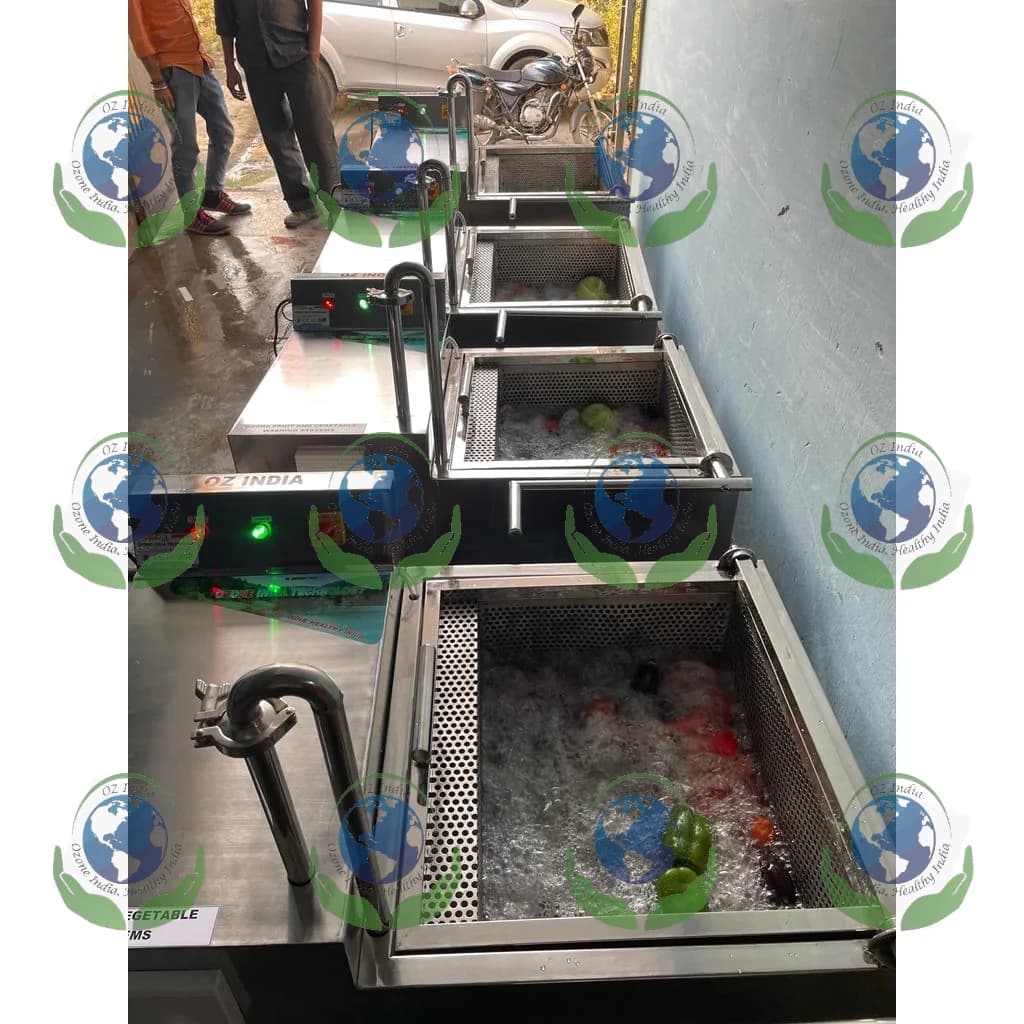
CE-certified ozone food washers and vegetable sterilisers for Egyptian exporters targeting EU and Gulf markets
Industrial ozone ETP systems treating textile and chemical factory wastewater to EGAC standards
Recommended
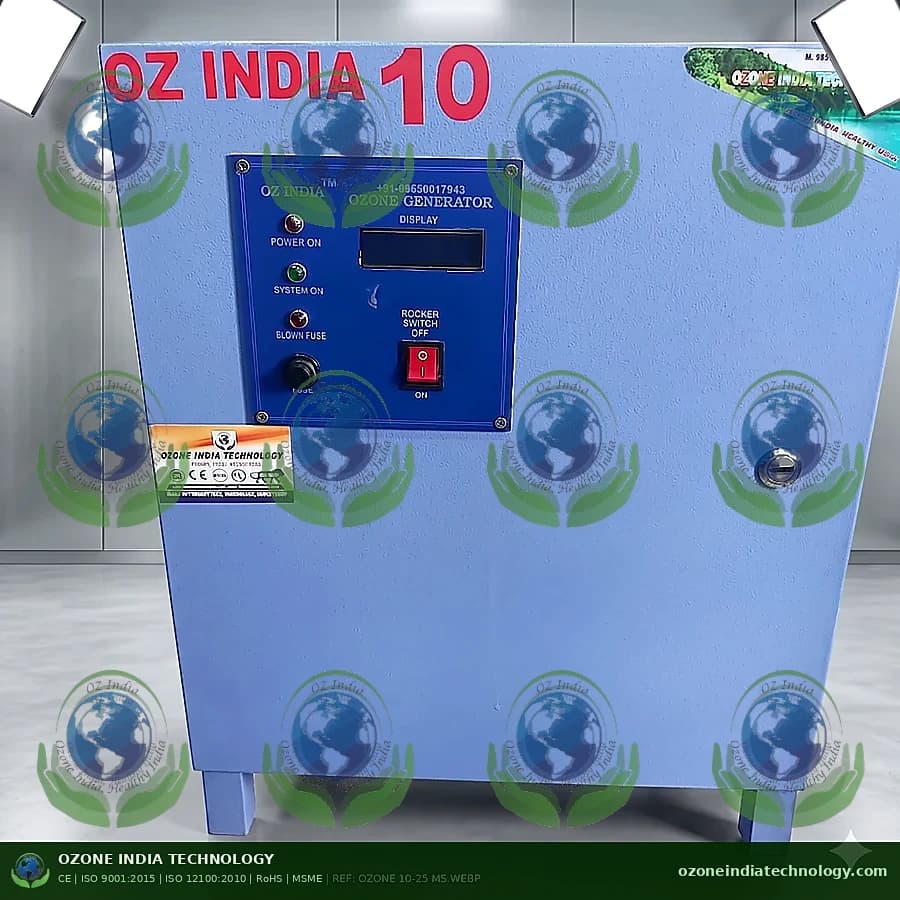
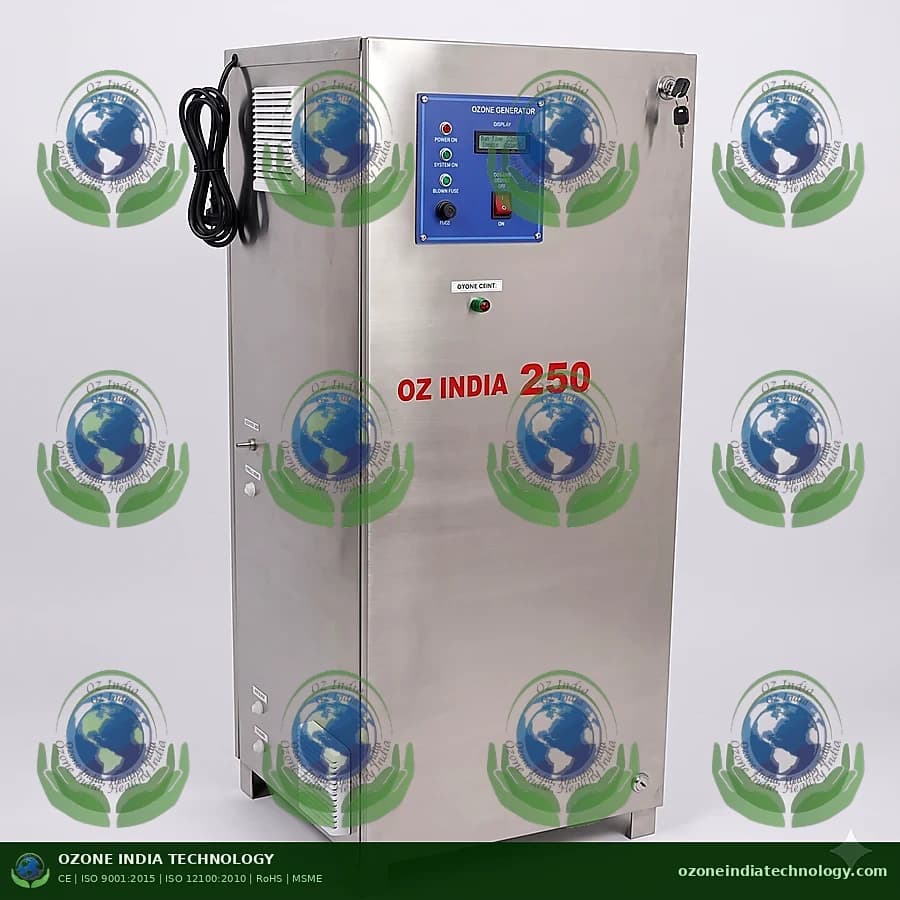
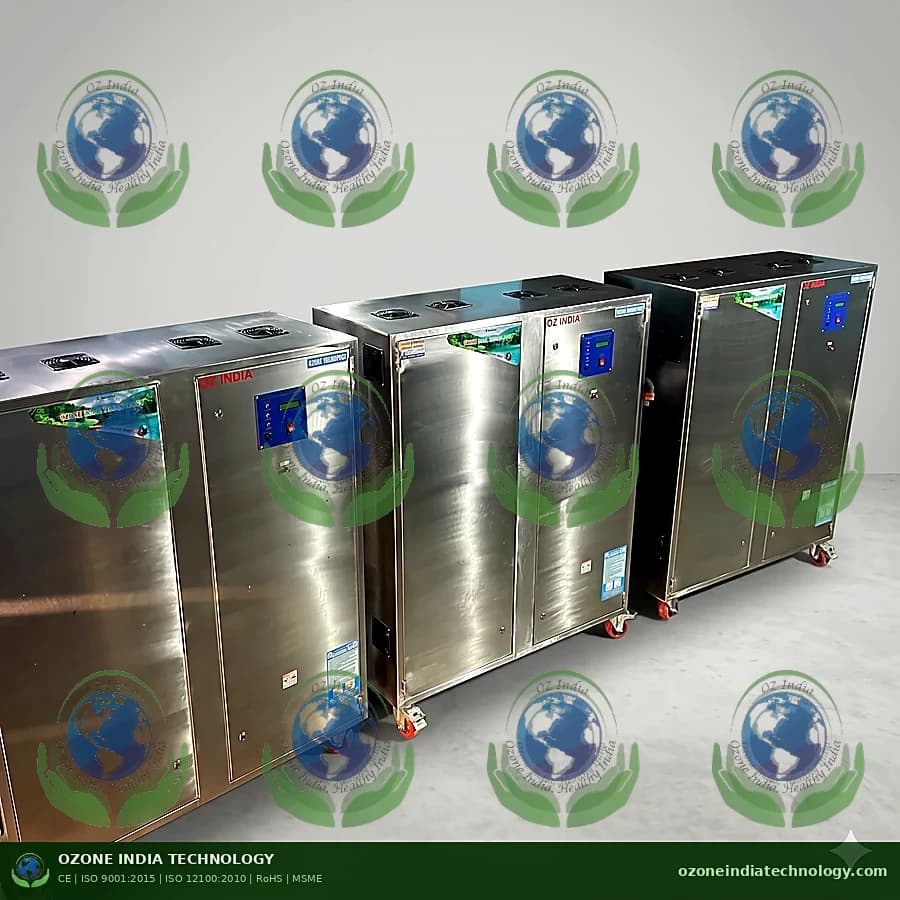
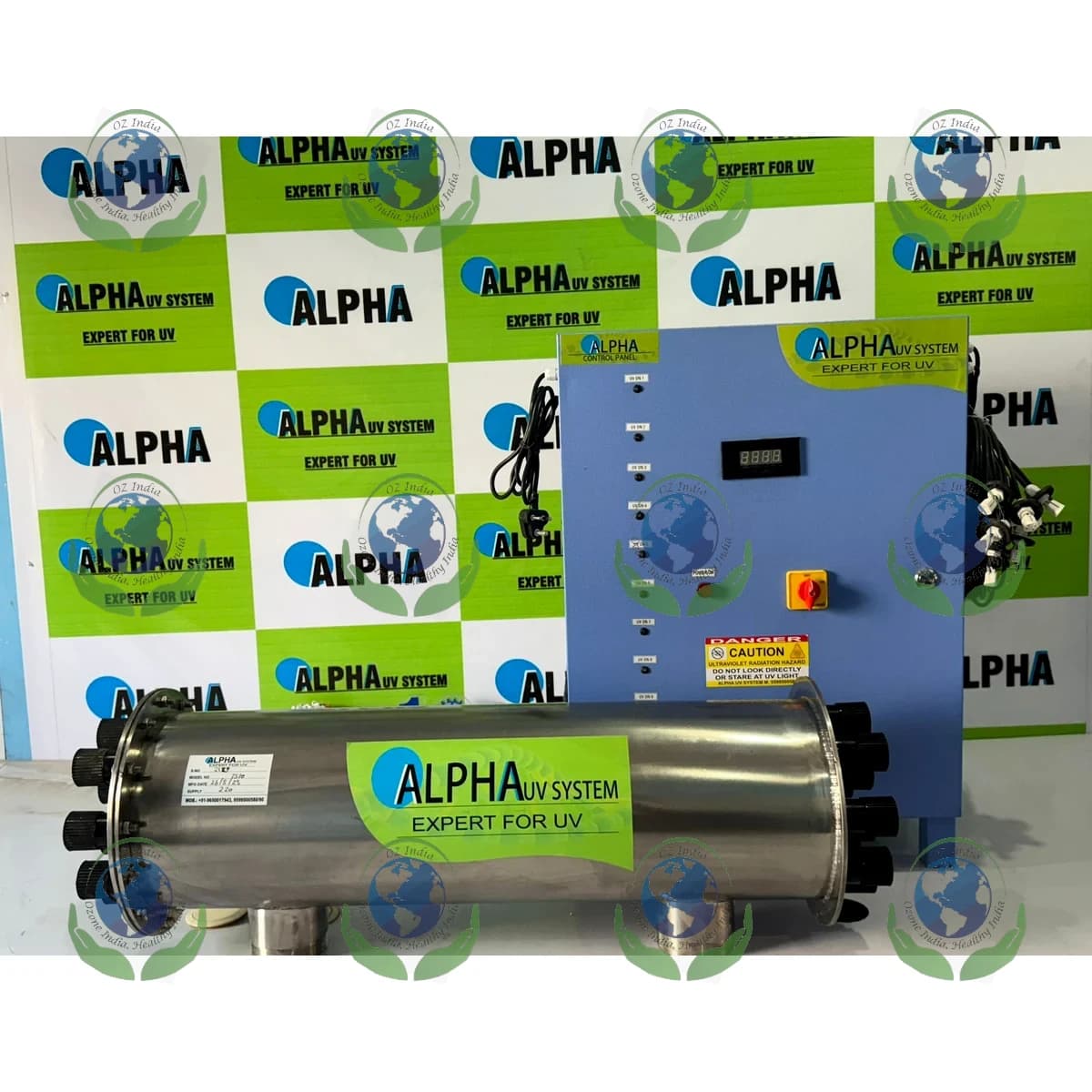
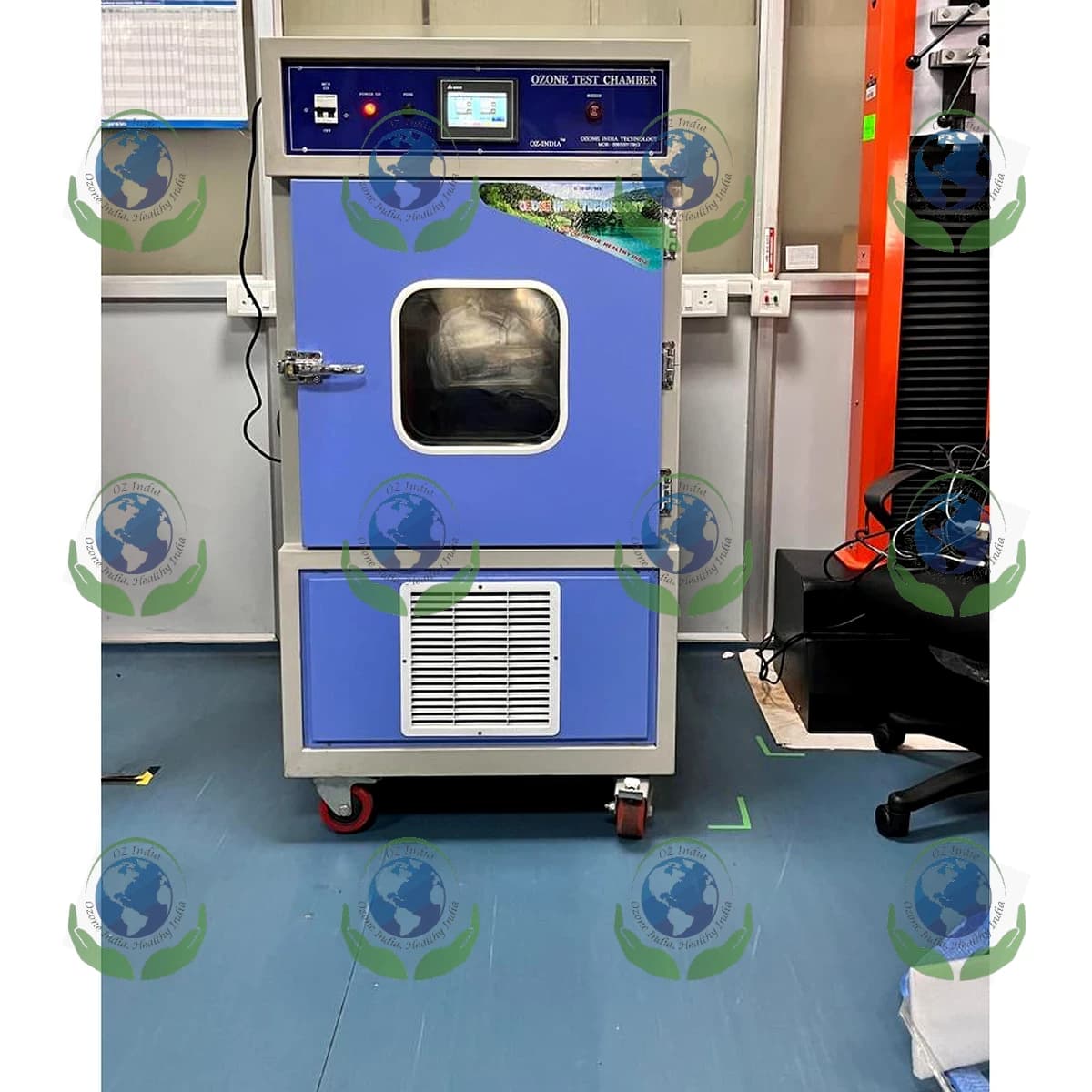
Products for Egypt
Regulatory Compliance & Why Us
EGAC — Egyptian Accreditation Council
CE & ISO 9001:2015 certified — full documentation for:
- ES 836
- EGAC accreditation
- ISO 9001 Egypt
CE Marking
CE-2621A
ISO 9001:2015
UQ-270426AD1
ISO 12100
UQ-27426AD89
RoHS
QA-2704A2
Why Ozone India Technology for Egypt?
CE Declaration of Conformity accepted for EGAC and Egyptian customs import clearance
ISO 9001:2015 quality documentation matching Egyptian industrial and government procurement requirements
India-Egypt trade route via Suez Canal — competitive freight to Alexandria and Port Said
Arabic technical documentation support available for installation and commissioning
No minimum order — single-unit exports with full CE and ISO certification package
Industry Applications in Egypt
Industry
Overview
Egypt · Africa
Egypt's water resources are among the most constrained of any large nation: the Nile River provides over 95% of the country's freshwater supply to a population exceeding 105 million people (World Bank, 2023). Egypt's per-capita renewable freshwater availability — approximately 570 m³/year — falls well below the international water scarcity threshold of 1,000 m³/year. The National Water Research Centre (NWRC) has documented rising concentrations of agricultural drainage return flows, industrial effluents, and pathogenic microorganisms in the Nile Delta canal system that serves both irrigation and, in parts of rural Lower Egypt, direct domestic consumption. Cairo's water treatment authority (CAWU) and Alexandria's utility increasingly face challenges from algal bloom events producing taste-and-odour compounds such as geosmin and 2-methylisoborneol, for which ozone pre-treatment provides highly effective and economically sound removal.
Egypt's food export sector generated seafood revenue exceeding $550 million annually in recent years, with shrimp, tilapia, and sea bream from Red Sea and Mediterranean aquaculture as leading commodities. The textile industry — Egypt's second-largest industrial employer with approximately 1.2 million workers — consumes vast quantities of water and generates heavily coloured, high-BOD effluent from dyeing and finishing operations in the Delta cities of Mahalla el-Kubra, Kafr el-Dawar, and Shubra el-Kheima. EU and US importers of Egyptian food products require compliance with Codex Alimentarius standards (CAC/RCP 1-1969) and HACCP documentation. Egypt's seafood export facilities must meet EC Regulation 853/2004, and Egyptian competent authority GAFRD (General Authority for Fish Resources Development) issues health certificates only to plants demonstrating adequate disinfection infrastructure for water used in processing.
Egypt's primary drinking water standard is Egyptian Standard ES 836, which aligns closely with WHO GDWQ 4th edition parameters and is administered by the Egyptian Organisation for Standardisation and Quality (EOS). The environmental regulator, the Egyptian Environmental Affairs Agency (EEAA), enforces effluent discharge limits under Law 4 of 1994 (Environment Law) and its executive regulations. The Egyptian Accreditation Council (EGAC) provides mandatory accreditation for testing laboratories measuring compliance parameters. A documented public health concern in Egypt is disinfection by-product (DBP) formation: chlorination of Nile-sourced water with elevated natural organic matter produces total trihalomethane concentrations that have been measured above ES 836 limits of 200 μg/L in several governorates, as published by NWRC researchers. Ozone pre-treatment prior to chlorination is the WHO-recommended approach to reducing THM formation potential by 40–60% while maintaining downstream microbial safety.
Ozone treatment addresses Egypt's two most pressing water quality challenges simultaneously. In the Nile-fed municipal sector, ozone at 1–3 mg/L with a CT of 1–2 mg·min/L destroys geosmin and MIB at greater than 90% efficiency — compounds that are organoleptically detectable by consumers at concentrations as low as 5 ng/L but do not respond to conventional chlorination. In Egypt's textile effluent sector, ozone advanced oxidation processes combined with biological treatment reduce azo-dye colour to near zero, eliminate phenolic compounds, and bring COD values from typical influent levels of 800–2,000 mg/L down to below the EEAA discharge limit of 160 mg/L. For Red Sea and Mediterranean aquaculture facilities producing shrimp and bream for EU export, recirculating aquaculture systems (RAS) using ozone maintain dissolved oxygen and pathogen control without antibiotic residues that trigger EU border rejections, supporting Egypt's $550M+ annual seafood export revenue.
CE-certified ozone systems manufactured in India offer Egypt's procurement decision-makers a compelling value proposition across both public utility and private industrial applications. Egypt's import regime under GOEIC (General Organisation for Export and Import Control) gives preference to CE-marked industrial equipment, and India's bilateral trade agreement framework with Egypt — reinforced by the India–Egypt Joint Trade Committee — facilitates favourable import duty treatment. Indian CE-certified manufacturers operate under ISO 9001:2015 quality management systems that EGAC-accredited facilities and GAFRD-certified fish processing plants can directly reference in their own quality documentation without additional supplier qualification audits. At a capital cost 30–40% below equivalent European equipment, Indian-manufactured ozone generators with stainless-steel internals, PVDF ozone-contact vessels, and PLC-based dose monitoring deliver the engineering specification required for Egypt's harsh operating environment — hot ambient temperatures up to 45°C, intermittent power supply, and high ambient humidity along the Delta.
Sourced Data
Egypt — Market Statistics
All figures sourced from WHO, FAO, World Bank, and national agencies.
- Total Population
- ~105 million
- Per-Capita Renewable Freshwater Availability
- ~570 m³/person/year
- Nile River Share of National Water Supply
- >95%
- Annual Seafood Export Revenue
- >$550 million
- Textile Industry Employment
- ~1.2 million workers
- Total Trihalomethane Exceedances (ES 836)
- Documented in multiple governorates
World Bank Open Data — Egypt · 2023
FAO AQUASTAT — Egypt Country Profile · 2021
National Water Research Centre (NWRC) Egypt · 2022
FAO FishStat — Egypt Fisheries Profile · 2021
Egyptian Textile Industries Federation · 2022
National Water Research Centre — Nile Water Quality Bulletin · 2021
Peer-Reviewed Evidence
Research & Scientific Basis
Published studies supporting ozone treatment in Egypt's industrial context.
Ozonation of Drinking Water: Part II. Disinfection and By-Product Formation in Presence of Bromide, Iodide or Chlorine
Von Gunten U · Water Research · 2003
Von Gunten demonstrated that controlled ozonation at pH 7–8 with CT values of 1.5 mg·min/L reduces trihalomethane formation potential by 40–60% when used as pre-treatment before chlorination. For Egypt, where Nile water NOM concentrations of 5–12 mg/L TOC lead to THM formation exceeding ES 836 limits of 200 μg/L in chlorinated distribution systems, ozone pre-treatment at municipal plants is the most technically validated approach to achieving compliance without reducing essential residual chlorine protection.
Efficacy of Ozone Treatment in Elimination of Salmonella and Listeria in Aquaculture Effluent
Kim JG, Yousef AE, Dave S · Journal of Food Protection · 1999
Kim et al. documented 5-log reduction of Salmonella typhimurium and Listeria monocytogenes in aquaculture process water at ozone concentrations of 1.0 mg/L within 60 seconds contact time at 20°C. This finding is directly applicable to Egypt's Red Sea shrimp processing sector, where GAFRD health certificates require demonstrated microbial control in process water — a requirement that ozone-based recirculating aquaculture systems meet without generating antibiotic or chlorine residues that trigger EU RASFF notifications.
Ozonation of Water and Waste Water: A Practical Guide to Understanding Ozone and its Applications
Gottschalk C, Libra JA, Saupe A · Wiley-VCH (2nd Ed.) · 2010
Gottschalk et al. provided design equations confirming that ozone at doses of 2–5 mg/L reduces azo-dye colour in textile effluent by 90–99% within 10–15 minutes, and reduces COD by 40–60% as a pre-treatment step before biological oxidation. For Egypt's Delta textile cities — Mahalla el-Kubra and Kafr el-Dawar — where EEAA Law 4/1994 limits discharge COD to 160 mg/L, ozone advanced oxidation followed by activated sludge achieves compliance from typical influent COD of 1,000–2,000 mg/L that conventional treatment alone cannot meet.
Parameter Compliance
EGAC Regulatory Parameters
How our certified systems perform against Egypt's official limits.
| Parameter | EGAC Limit | Our System Output | Standard |
|---|---|---|---|
| Total Coliforms (Drinking Water) | 0 CFU/100 mL | Non-detectable | Egyptian Standard ES 836 |
| Total Trihalomethanes | ≤ 200 μg/L | < 50 μg/L (with ozone pre-treatment) | ES 836 / WHO GDWQ 4th Ed. |
| Turbidity | ≤ 4 NTU | < 0.5 NTU | ES 836 |
| COD (Industrial Effluent Discharge) | ≤ 160 mg/L | < 80 mg/L | Egypt Environment Law 4/1994 |
| Colour (Textile Effluent) | ≤ 50 Pt-Co units | < 5 Pt-Co units (post-ozone) | EEAA Executive Regulations |
| Residual Ozone (Bottled Water) | ≤ 0.3 mg/L | 0.05–0.2 mg/L (dose-controlled) | ES 836 / Codex Stan 227 |
Sector Breakdown
Industry Applications in Egypt
Key sectors, production scale, and how ozone technology addresses each challenge.
| Sector | Scale / Value | Challenge | Our Solution |
|---|---|---|---|
| Municipal Drinking Water (CAWU / Alexandria Utility) | Public utility — 105M population served | High NOM from Nile causing THM formation above ES 836 limits; seasonal geosmin/MIB events | Pre-ozonation 75–1,000 g/hr systems reducing NOM 40–60% and eliminating taste-and-odour compounds |
| Textile Dyeing & Finishing (Nile Delta) | ~$3B annual textile export value | Azo-dye colour, high COD (800–2,000 mg/L), phenolics in effluent; EEAA Law 4/1994 compliance | Ozone advanced oxidation 2–10 kg/hr for 90%+ colour removal and COD reduction before biological stage |
| Red Sea & Mediterranean Aquaculture | >$550M seafood exports | Salmonella/Vibrio in process water; antibiotic-residue EU rejections; GAFRD health certificate requirements | Ozone RAS systems at 1–5 g/hr maintaining DO > 7 mg/L and pathogen-free process water without antibiotics |
| Bottled & Packaged Water | ~$400M retail market | ES 836 microbiological compliance; consumer trust in chlorine-free products | Compact ozone generators 2–25 g/hr with inline residual monitoring for zero-chlorine bottling lines |
| Hospital & Healthcare Facilities | Healthcare sector GDP ~5.5% | HAI prevention; CSSD water quality; Legionella control in cooling towers | Ozone water treatment for sterile water preparation and cooling tower Legionella suppression at 0.1–0.5 mg/L |
| Food Processing (Frozen Vegetables, Olive Oil) | ~$1.5B agri-food exports | EU MRL compliance; Codex CAC/RCP 1-1969 HACCP requirements; surface microbial counts | Ozone wash systems for produce at 1–3 mg/L achieving 3–5 log pathogen reduction with no chemical residues |
Municipal Drinking Water (CAWU / Alexandria Utility)
Public utility — 105M population served
High NOM from Nile causing THM formation above ES 836 limits; seasonal geosmin/MIB events
Pre-ozonation 75–1,000 g/hr systems reducing NOM 40–60% and eliminating taste-and-odour compounds
Textile Dyeing & Finishing (Nile Delta)
~$3B annual textile export value
Azo-dye colour, high COD (800–2,000 mg/L), phenolics in effluent; EEAA Law 4/1994 compliance
Ozone advanced oxidation 2–10 kg/hr for 90%+ colour removal and COD reduction before biological stage
Red Sea & Mediterranean Aquaculture
>$550M seafood exports
Salmonella/Vibrio in process water; antibiotic-residue EU rejections; GAFRD health certificate requirements
Ozone RAS systems at 1–5 g/hr maintaining DO > 7 mg/L and pathogen-free process water without antibiotics
Bottled & Packaged Water
~$400M retail market
ES 836 microbiological compliance; consumer trust in chlorine-free products
Compact ozone generators 2–25 g/hr with inline residual monitoring for zero-chlorine bottling lines
Hospital & Healthcare Facilities
Healthcare sector GDP ~5.5%
HAI prevention; CSSD water quality; Legionella control in cooling towers
Ozone water treatment for sterile water preparation and cooling tower Legionella suppression at 0.1–0.5 mg/L
Food Processing (Frozen Vegetables, Olive Oil)
~$1.5B agri-food exports
EU MRL compliance; Codex CAC/RCP 1-1969 HACCP requirements; surface microbial counts
Ozone wash systems for produce at 1–3 mg/L achieving 3–5 log pathogen reduction with no chemical residues
Ready to export to Egypt
Deploy Ozone Technology in Egypt
CE & ISO 9001:2015 certified. Full export documentation. Factory-direct from Greater Noida, India.