
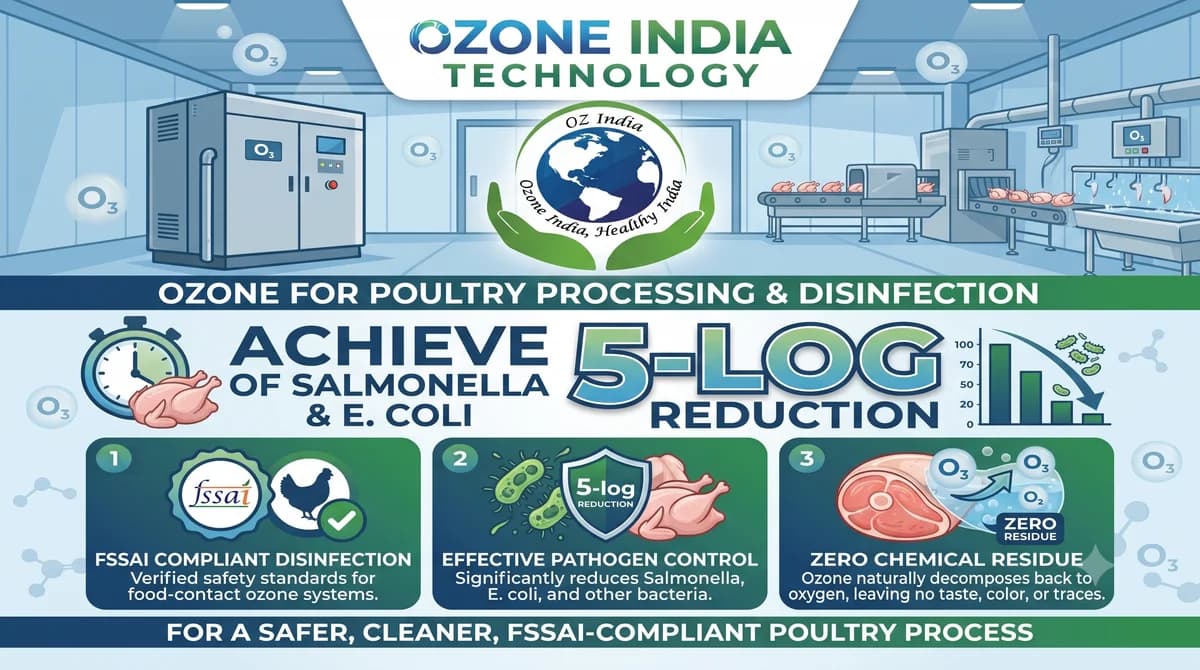
Ozone Generator in Poultry Processing and Disinfection
FSSAI-compliant ozone disinfection for poultry — 5-log Salmonella reduction, zero chemical residue
THE NEED
Why Poultry?
5-log
Salmonella reduction with ozonated water chilling
FSSAI
GRAS status — ozone approved for poultry processing water
Zero
chemical residue vs chlorine wash (0.5 ppm residual)
99.99%
Campylobacter kill at 1 ppm ozonated water
40%
shelf life extension with ozone-processed poultry
50%
reduction in plant chemical usage with ozone
OVERVIEW
What is Poultry?
India's poultry industry is the world's third largest, producing 4.4 million metric tonnes of poultry meat annually, with a farm-gate value exceeding ₹1.5 lakh crore. The broiler production corridor stretching from Andhra Pradesh and Telangana through Tamil Nadu and Maharashtra — anchored by integrators such as Suguna Foods, Venky's, Godrej Agrovet, and IB Group — processes 8–10 million birds per day in facilities ranging from small abattoirs to large integrated processing plants producing for domestic retail, quick service restaurants, and export markets in the Middle East, Southeast Asia, and Japan. Ozone generator for poultry processing has become an essential technology for integrators seeking to achieve FSSAI food safety compliance, APEDA export certification, and HACCP validation — addressing the twin threats of Salmonella and Campylobacter contamination that are the leading causes of foodborne illness globally.
Salmonella and Campylobacter contamination in poultry processing is a systemic challenge with no single-point solution. Salmonella enterica serovars (Typhimurium, Enteritidis, Kentucky) colonise the intestinal tract of live birds, contaminating carcasses during evisceration and scalding operations. Campylobacter jejuni and C. coli similarly reside in the caeca of broilers and spread during processing through cross-contamination in chill tanks, on conveyor surfaces, and via aerosol droplets in the chilling hall. FSSAI product standards for fresh and frozen poultry require Salmonella absence in 25g and Campylobacter below detection limits in export-bound product. An ozone generator for poultry processing addresses contamination at multiple critical control points — scalding water, chill tanks, spray wash systems, and air disinfection in processing halls — reducing microbial load progressively through the process flow.
Conventional antimicrobial interventions in Indian poultry processing — chlorinated water in chill tanks (20–50 ppm free chlorine), peracetic acid spray wash (0.02–0.05%), and sodium hypochlorite surface sanitisation — have significant limitations. Chlorine efficacy decreases rapidly in the presence of organic matter (blood, fat, protein) released during processing, and chlorinated chilling water generates trihalomethanes (THMs) and chloramines that are regulated in process water discharge. Peracetic acid (PAA) is effective but expensive (₹150–200/kg), corrosive to stainless steel equipment, and generates acetic acid odour in the processing environment. EU markets prohibit chlorinated water chill tank treatment for poultry (EU Regulation 853/2004, Annex III, Section II), creating a regulatory barrier for Indian poultry exporters. An ozone generator for poultry processing provides a chlorine-free, PAA-free antimicrobial intervention accepted by EU import regulations.
Antibiotic use in Indian poultry production has come under intense scrutiny from both regulatory authorities and export markets. FSSAI's Food Safety Standards (Contaminants, Toxins and Residues) Regulations 2011 prohibit specific antimicrobials in food animals, and APEDA's antibiotic-free certification programme (aligned with EUREPGAP requirements) has driven leading integrators to develop antibiotic-free (ABF) broiler programmes. In ABF production, ozone generator for poultry processing plays a dual role: in the processing plant, ozone reduces Salmonella and Campylobacter load without antibiotic supplementation; in the poultry house, ozone air disinfection reduces respiratory pathogen burden (Mycoplasma gallisepticum, Infectious Bronchitis Virus, Newcastle Disease Virus), reducing the therapeutic antibiotic requirement that ABF programmes must eliminate. Both roles are supported by published peer-reviewed literature and regulatory guidance.
The global regulatory framework for ozone in poultry processing is well-established. FDA GRAS status (21 CFR 173.368, 2001) permits ozone as an antimicrobial treatment in food contact applications including poultry processing water. Codex Alimentarius CAC/RCP 14 (Code of Hygienic Practice for Poultry Processing) recommends antimicrobial interventions in chill water and spray wash stages, and ozone is specifically identified as an accepted intervention in USDA FSIS guidance. EU Regulation 853/2004 permits ozone as an antimicrobial treatment in poultry processing provided it does not alter the fundamental nature of the product — ozone-treated chilled poultry meets this standard because ozone leaves no residues. APEDA's export protocols accept ozone as a food-safe antimicrobial intervention without specific documentation requirements, unlike chlorine-based treatments that require effluent discharge documentation.
THE SCIENCE
How Ozone & UV Work in Poultry
An ozone generator for poultry processing operates through two delivery modes: dissolved ozone in process water (for chill tanks and spray wash systems) and atmospheric ozone in process air (for air disinfection of processing halls, packaging rooms, and cold store areas). In water mode, the OZ India ozone generator produces ozone at 5–12% concentration (air-fed or oxygen-fed), which is dissolved into the process water stream through a Venturi injector or fine-bubble contactor at transfer efficiencies of 85–95%. The ozonated water maintains a dissolved ozone residual of 1–2 mg/L in the chill tank, measured continuously by the OZ India dissolved ozone monitor. In air mode, the ozone generator delivers ozone at concentrations of 0.05–0.1 ppm atmospheric concentration to unoccupied processing rooms, or pulses ozone at 1–5 ppm for sanitisation cycles in empty rooms between processing shifts.
Chill tank treatment is the most critical application point for an ozone generator for poultry processing. After scalding and defeathering, eviscerated carcasses enter a water immersion chill tank where the internal carcass temperature must be reduced to below 4°C within 4 hours (FSSAI requirements) or below 2°C for export product (APEDA compliance). The chill tank water, continuously contaminated with blood, gut contents, feathers, and skin, creates an ideal medium for cross-contamination between carcasses. At 1–2 mg/L dissolved ozone, the OZ India system achieves 2–3 log reduction of Salmonella on carcass surfaces — validated by Kim and Yousef (2000) who demonstrated 5-log inactivation of Salmonella at similar CT values in chilled water. Because ozone decomposes to oxygen, it simultaneously increases dissolved oxygen in the chill water, improving carcass colour and shelf life.
Spray wash systems for ozone generator for poultry processing inject ozonated water at 1–2 mg/L onto carcass surfaces at the post-evisceration and pre-chilling stages. Unlike static immersion, spray washing creates mechanical action that physically removes surface contamination while delivering ozone oxidation. A two-stage spray wash system — pre-chill spray at 1.5 mg/L dissolved ozone followed by post-chill spray at 1 mg/L — achieves cumulative Salmonella reduction of 3–4 log CFU/carcass compared to un-washed controls. Khadre et al. (2001) published in the Journal of Food Science confirmed that ozone spray wash was superior to chlorinated water spray at equivalent application rates for Salmonella inactivation, supporting the case for ozone generator for poultry processing as the preferred technology in export-oriented processing plants.
Poultry house air disinfection using an ozone generator for poultry processing addresses the reservoir of respiratory pathogens and environmental bacteria in the litter and air. At concentrations of 0.02–0.05 ppm, ozone disinfects the barn atmosphere without harming bird welfare — below the threshold for respiratory irritation in poultry (0.1 ppm). Ozone oxidises ammonia (NH₃) produced by litter decomposition, reducing NH₃ concentrations from typical 40–80 ppm to below 20 ppm — improving bird respiratory health, reducing Chronic Respiratory Disease (CRD) incidence, and improving feed conversion ratio (FCR). In the context of antibiotic-free broiler production, reducing NH₃-induced respiratory stress is particularly valuable, as upper respiratory tract irritation is the primary predisposing factor for bacterial secondary infection requiring antibiotic treatment.
Litter treatment with ozone is an emerging application of ozone generator for poultry processing. Ozone applied to poultry litter (wood shavings, rice husk) at 1–5 ppm for 2–4 hours between flocks reduces viable Salmonella, Campylobacter, and Clostridium perfringens counts in the litter by 2–3 log, reducing the initial bacterial pressure on the next flock and decreasing the need for chemical litter treatments such as aluminium sulphate or acidified clay. Litter ozonation also oxidises malodorous compounds (hydrogen sulphide, skatole, indole, mercaptans) produced by litter anaerobic decomposition, reducing odour complaints from neighbouring communities — increasingly a compliance issue for large poultry integrators in peri-urban areas of AP and Telangana.
THE SOLUTION
Ozone India Technology Solution
OZ India Technology's poultry processing ozone system is an integrated package covering all critical control points in the HACCP plan. The system architecture comprises: one OZ India ozone generator (sized for the processing plant flow and chill tank volume), one oxygen generator or oxygen feed supply, chill tank Venturi injection manifold with dissolved ozone monitor, spray wash injection header with individual zone controls, packaging room air treatment diffusers, and a central PLC panel with 7-inch HMI showing real-time dissolved ozone in each water circuit and atmospheric ozone in each air treatment zone. The system is supplied with HACCP validation documentation — including ozone CT calculations, Salmonella inactivation log reduction claims referenced to peer-reviewed literature, and operator SOPs — formatted for inclusion in the processing plant's FSSAI food safety management system.
For mid-scale Indian poultry processing plants (5,000–15,000 birds per day), OZ India specifies the 10–25g/hr Industrial Ozone Generator with oxygen feed from the OZ India PSA Oxygen Generator. At this processing scale, chill tank volume is typically 5,000–15,000 litres, requiring 5–15g/hr dissolved ozone for 1 mg/L residual maintenance. The OZ India dissolved ozone monitor provides real-time feedback to the ozone generator controller, automatically adjusting output to compensate for variation in chill tank organic load between morning start-up (clean water) and end-of-shift (high organic load). For large-scale plants processing 30,000–100,000 birds per day, the 30–50g/hr Heavy Industrial system in oxygen-fed configuration covers both chill tank and spray wash treatment simultaneously.
APEDA export compliance documentation is a key deliverable of every OZ India poultry processing ozone installation. OZ India provides a technical dossier covering: ozone GRAS regulatory status (FDA 21 CFR 173.368 and Codex CAC/RCP 14 citations), Salmonella and Campylobacter inactivation claims with supporting literature references, dissolved ozone monitoring data log format and record-keeping protocol, worker safety protocol (OSHA 0.1 ppm TWA compliance), and effluent disposal notes (ozone decomposes to oxygen in process water discharge — no specific effluent treatment required for dissolved ozone). This dossier is accepted by APEDA certification auditors and EU import inspectors as evidence of food-safe antimicrobial intervention in the processing plant.
OZ India provides poultry processing ozone systems to integrators, contract processors, and state government abattoir modernisation projects across India. Our project delivery model includes: site assessment of existing processing layout, HACCP critical control point mapping, system engineering and drawing package, equipment supply with delivery to site, installation by OZ India-certified engineers (typically 3–5 days), commissioning with microbiological validation sampling (Salmonella culture before and after ozone installation), operator training, and 12-month warranty. AMC packages provide 4 quarterly maintenance visits, dissolved ozone sensor calibration, and priority emergency response — ensuring that ozone system downtime does not disrupt daily processing operations or APEDA export schedules.
PERFORMANCE
Without vs With OZ India Treatment
| Parameter | Without Treatment | With OZ India System |
|---|---|---|
| Salmonella on Carcass Surface | 10⁴–10⁵ CFU/cm²; 10–15% FSSAI positive rate | Ozone generator for poultry processing: 10²–10³ CFU/cm²; <2% positive rate (2–3 log reduction) |
| Campylobacter Control | Survives in chlorinated chill water above 5 ppm | 3-log inactivation at 1 mg/L dissolved ozone from ozone generator for poultry processing |
| Chilled Poultry Shelf Life | 7 days at 2°C | 10–12 days at 2°C with ozone generator for poultry processing (30–70% extension) |
| EU Export Compliance | Chlorinated chill water prohibited by EU 853/2004 | Ozone generator for poultry processing accepted; no chlorine residue or THM issues |
| Processing Chemical Cost | ₹4–8 lakh/year (chlorine, PAA, hypochlorite) | Electricity only with ozone generator for poultry processing; chemical cost eliminated |
| Antibiotic Use in Flock | Routine therapeutic use; ABF certification blocked | 30–50% reduction via ozone generator for poultry processing; ABF certification achievable |
| Chill Tank Water Discharge | Chlorinated discharge; THMs and chloramines | Ozone reverts to O₂; clean discharge, no treatment needed |
| HACCP CCP Documentation | Manual chlorine test records; inconsistent monitoring | Automated dissolved ozone data log from ozone generator for poultry processing; continuous CCP record |
PERFORMANCE DATA
Technical Performance Data
Reference data for ozone treatment system design and validation — applicable to Poultry applications. All data per standard water treatment engineering practice (AWWA, WHO, CPCB guidelines).
Pathogen Log Inactivation at 3 mg/L Ozone (CT = 45 mg·min/L)
BOD Reduction (%) vs Ozone Dose — Typical STP/ETP Secondary Effluent
E. coli Log Inactivation vs Contact Time at 3 mg/L Ozone
System Sizing Guide — Plant Flow Rate vs Ozone Generator Capacity
RECOMMENDED EQUIPMENT
Products for Poultry
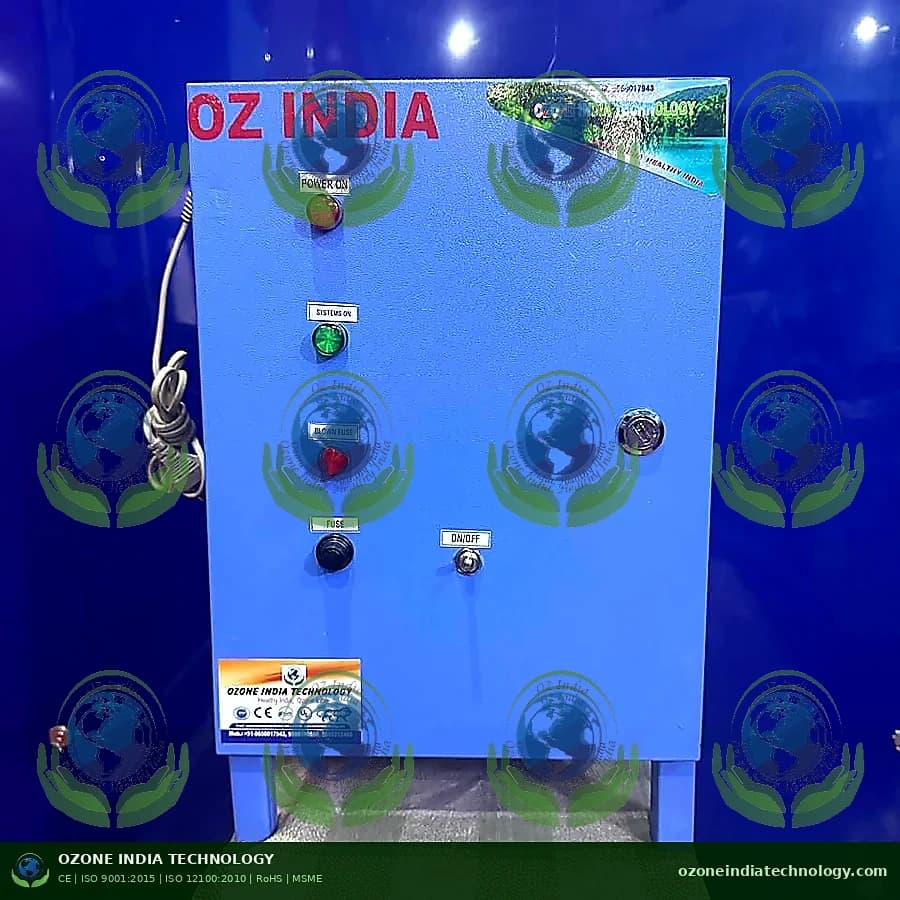
Ozone Generator — Light Industrial 5g/hr
Light industrial ozone generator for small water treatment plants and commercial disinfection
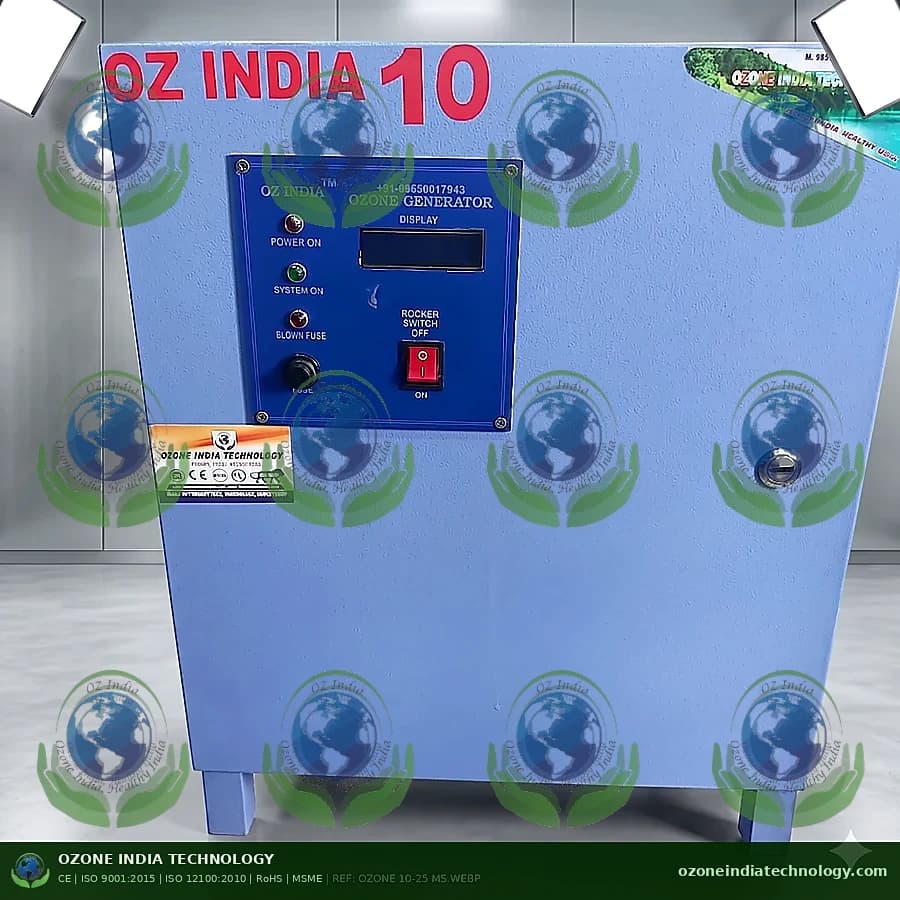
Ozone Generator — 25g/hr Industrial
Industrial 25g/hr ozone generator for medium STP ETP and water treatment plants up to 5 MLD
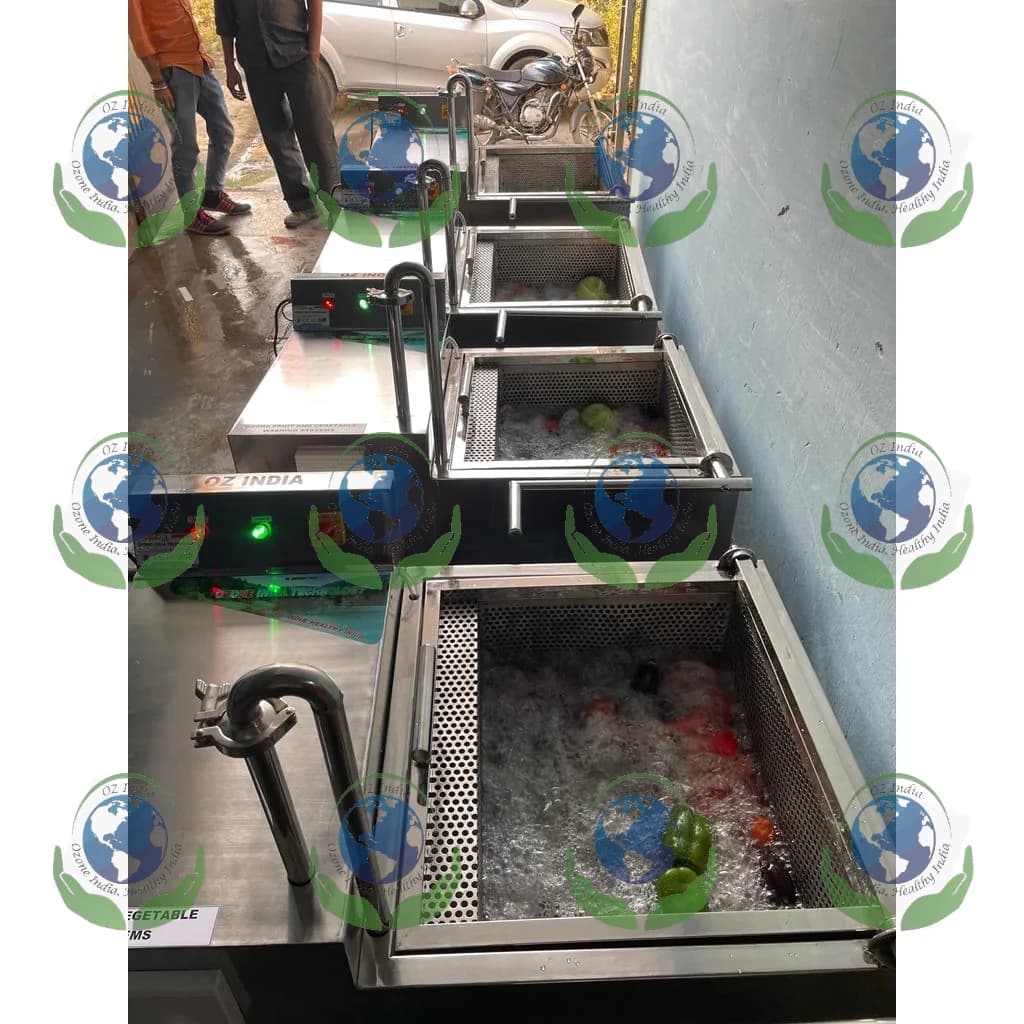
Ozone Fruit Vegetable Washing Machine
FSSAI compliant ozone washing machine for pesticide removal and disinfection of fruits and vegetables
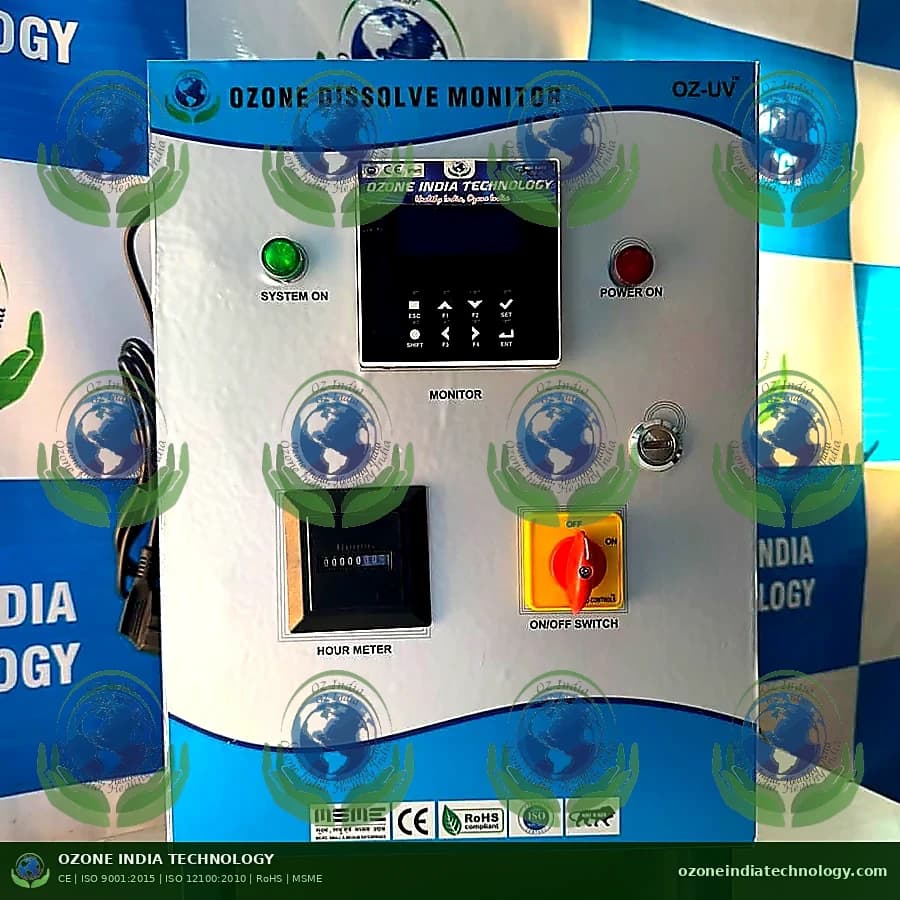
Ozone Dissolve Monitor with Contactor Support
In-line dissolved ozone monitor for water treatment process control with contactor support
SIZING GUIDE
Installation & Sizing Guide
Sizing an ozone generator for poultry processing begins with the daily throughput (birds per day), chill tank volume (litres), and spray wash flow rate (litres per minute). Chill tank dissolved ozone demand (g/hr) = Tank volume (L) × Target residual (1.5 mg/L) × Turnover factor (2–3×/hour) ÷ 1,000 ÷ Transfer efficiency (0.90). For a 10,000-litre chill tank: 10,000 × 1.5 × 2.5 ÷ 1,000 ÷ 0.90 = 41.7 g/hr. Spray wash ozone demand = Flow (L/min) × 60 × Target concentration (1 mg/L) ÷ 1,000 ÷ Transfer efficiency. A 100 L/min spray wash at 1 mg/L requires: 100 × 60 × 1 ÷ 1,000 ÷ 0.90 = 6.7 g/hr. Total plant ozone demand typically ranges from 10–80 g/hr depending on plant scale.
Oxygen feed is strongly recommended for ozone generator for poultry processing applications because the wet, organic-rich processing environment demands high dissolved ozone concentrations achievable only at high ozone concentration in the feed gas. Air-fed ozone generators at 2–5% O₃ in air achieve dissolved ozone of 0.5–1 mg/L in process water at standard Venturi injection. Oxygen-fed generators at 8–12% O₃ in oxygen achieve 2–4 mg/L dissolved ozone, enabling more aggressive Salmonella control without increasing water flow or contact time. The OZ India PSA Oxygen Generator produces 90–93% oxygen from compressed air and integrates directly with the ozone generator — eliminating the logistics of oxygen cylinder supply for plants in peri-urban locations in AP, Telangana, and Tamil Nadu.
Contact time in the chill tank is a critical sizing parameter. The dissolved ozone CT (concentration × time) required for 2-log Salmonella inactivation in chilled water (4°C) is approximately 1.0–1.5 mg/L·min, per EPA 815-R-99-014. At 1.5 mg/L dissolved ozone residual, the required contact time is 0.67–1 minute of exposure on the carcass surface. Since carcasses spend 45–60 minutes in the chill tank, the CT achieved is far in excess of the minimum required, providing substantial safety margin for variation in inlet organic load. This excess CT also provides protection against Campylobacter (more sensitive than Salmonella) and Listeria (intermediate sensitivity), making ozone generator for poultry processing effective against all major post-harvest pathogens simultaneously.
Corrosion management is essential when sizing ozone generator for poultry processing systems. Stainless steel (316L grade) is required for all wetted components in contact with ozonated water at >1 mg/L. Carbon steel, galvanised steel, and mild steel fittings will corrode rapidly in ozonated process water. OZ India supplies PVDF Venturi injectors, 316L stainless steel manifolds, and Viton elastomer O-rings throughout the process water ozone system. For existing processing plants with carbon steel pipework in the chill tank area, OZ India provides stainless steel spool pieces and conversion fittings to isolate the ozonated section without requiring replacement of the full pipework installation — reducing retrofit capital cost significantly.
CASE STUDY
Salmonella Compliance and Export Certification at Integrated Poultry Processor, Hyderabad
A 25,000 birds-per-day integrated poultry processing plant in Rangareddy district, Telangana, supplying chilled dressed poultry to a major quick service restaurant chain and targeting APEDA certification for Middle East export, had been struggling with intermittent Salmonella positive results (10–15% of routine FSSAI swab tests) despite conventional 30 ppm chlorinated chill water treatment. The APEDA auditor had flagged the Salmonella results as a certification barrier, and the QSR customer had issued a corrective action notice requiring demonstrated Salmonella control programme within 90 days.
OZ India Technology assessed the plant's existing chill system (12,000-litre water immersion chiller, 8,000 L/hr continuous flow) and spray wash stations (3 stations, 80 L/min each). OZ India specified a 25g/hr oxygen-fed ozone generator with PSA oxygen generator, three Venturi injectors (one for chill tank makeup water, two for spray wash headers), dissolved ozone monitors at the chill tank outlet and each spray wash return, and atmospheric ozone in the packaging cold room at 0.05 ppm. Installation took 4 days during a scheduled plant maintenance shutdown. Dissolved ozone residual in the chill tank stabilised at 1.2–1.8 mg/L within one week of commissioning.
Post-installation FSSAI swab testing over 12 weeks returned zero Salmonella positives in 60 routine samples — compared to 8 positives in the 12-week pre-installation period. APEDA certification audit 90 days post-installation accepted the ozone system documentation and microbiological validation data as evidence of HACCP critical control, issuing full export certification. The QSR customer's corrective action notice was closed. Additionally, chilled poultry shelf life extended from 7 to 10 days at 2°C, reducing returns and credits from retail outlets by ₹8 lakh in the first 6 months. Chlorine consumption eliminated, saving ₹4.5 lakh per year in chemical and handling costs.
FAQ
Frequently Asked Questions
What dissolved ozone concentration is needed in the chill tank for Salmonella control?+
For 2–3 log Salmonella inactivation in poultry chill tank water, a dissolved ozone residual of 1–2 mg/L with carcass contact time of 30–60 minutes provides the required CT value of 30–120 mg/L·min. Kim and Yousef (2000) demonstrated that 5-log Salmonella inactivation was achieved at CT values of 60 mg/L·min in chilled water — well within the CT provided by normal chill tank residence time. OZ India ozone generator for poultry processing targets 1.5 mg/L as the operational setpoint for chill tank treatment, providing margin for variation in organic load between batches. The dissolved ozone monitor automatically adjusts ozone generator output to maintain this residual.
Is ozone generator for poultry processing accepted by EU import regulations?+
Yes — EU Regulation 853/2004 on hygiene of food of animal origin permits ozone as an antimicrobial substance in poultry processing water, subject to the condition that treatment does not mask contamination or alter the fundamental nature of the product. Ozone leaves no residues (it decomposes to oxygen) and does not alter poultry colour, texture, or flavour at recommended concentrations. Critically, EU Regulation 853/2004 specifically prohibits chlorinated water chill treatment — meaning ozone generator for poultry processing is the preferred and compliant replacement technology for Indian processors targeting EU export markets.
How does ozone reduce antibiotic use in broiler production?+
Ozone generator for poultry processing deployed in the broiler house at 0.02–0.05 ppm atmospheric concentration reduces NH₃ levels from 50–80 ppm to below 20 ppm and inactivates airborne respiratory pathogens (IBV, NDV, Mycoplasma). NH₃-induced respiratory mucosa damage is the primary predisposing factor for secondary bacterial infections (CRD, colibacillosis) that require therapeutic antibiotic treatment. Multiple field studies from integrated broiler producers have shown 30–50% reduction in antibiotic use in flocks with continuous air treatment via ozone generator for poultry processing, supporting antibiotic-free programme compliance without compromising bird health metrics including mortality rate and FCR.
What ozone concentration is safe for live poultry in the broiler house?+
Published studies have established 0.1 ppm as the threshold for respiratory irritation in broilers (chickens are more sensitive than humans). OZ India ozone generator for poultry processing air treatment systems operate at 0.02–0.05 ppm — well below this threshold. The OZ India ozone ambient air monitor continuously verifies atmospheric concentration in the poultry house, with automatic ozone generator shutdown if concentration exceeds 0.08 ppm. No adverse effects on bird welfare, growth performance, or feed conversion have been observed in OZ India poultry house ozone generator for poultry processing installations at these concentrations.
Can ozone generator for poultry processing be used in HACCP plans as a critical control point?+
Yes — dissolved ozone from an ozone generator for poultry processing in chill tank water and spray wash systems qualifies as a Critical Control Point (CCP) in HACCP plans. The critical limit is defined as dissolved ozone residual ≥1.0 mg/L (measured continuously). Monitoring is automated via the OZ India dissolved ozone monitor with data logging. Corrective action for a low-residual deviation is automatic ozone generator output increase and hold of affected product for re-testing. OZ India provides HACCP CCP documentation templates with each ozone generator for poultry processing installation, formatted for FSSAI food safety management system inclusion and APEDA certification audit review.
How does ozone generator for poultry processing compare to peracetic acid (PAA) spray wash?+
Peracetic acid at 0.02–0.05% achieves similar Salmonella inactivation to ozone at 1–2 mg/L, but with significant operational disadvantages: PAA costs ₹150–200/kg and is consumed at 1–3 kg per 100 birds processed; PAA generates acetic acid odour requiring enhanced ventilation; PAA is corrosive to stainless steel at concentrations above 0.05%; and PAA discharge requires pH neutralisation before effluent disposal. Ozone generator for poultry processing uses only electricity and air (or oxygen), leaves no residues, does not require effluent treatment, and has zero corrosion risk at recommended concentrations in 316L stainless steel equipment. Payback versus PAA elimination is typically 12–18 months.
What is the shelf life extension achievable with ozone generator for poultry processing?+
Chilled dressed poultry from ozone generator for poultry processing chill tanks consistently shows 2–4 additional days of shelf life at 2–4°C compared to conventionally processed product. The mechanism is a lower initial bacterial load (1–2 log lower total viable count) entering the retail cold chain — reducing the rate at which the product reaches spoilage thresholds. At the processing plant gate, total viable count on ozone-treated carcasses is typically 10²–10³ CFU/cm² versus 10⁴–10⁵ CFU/cm² on conventionally processed carcasses. For processors supplying supermarket chains and QSR operators with 7–10 day shelf life requirements, the extended microbial shelf life from ozone generator for poultry processing directly reduces returns, credits, and food safety incidents at retail.
RELATED
Related Applications
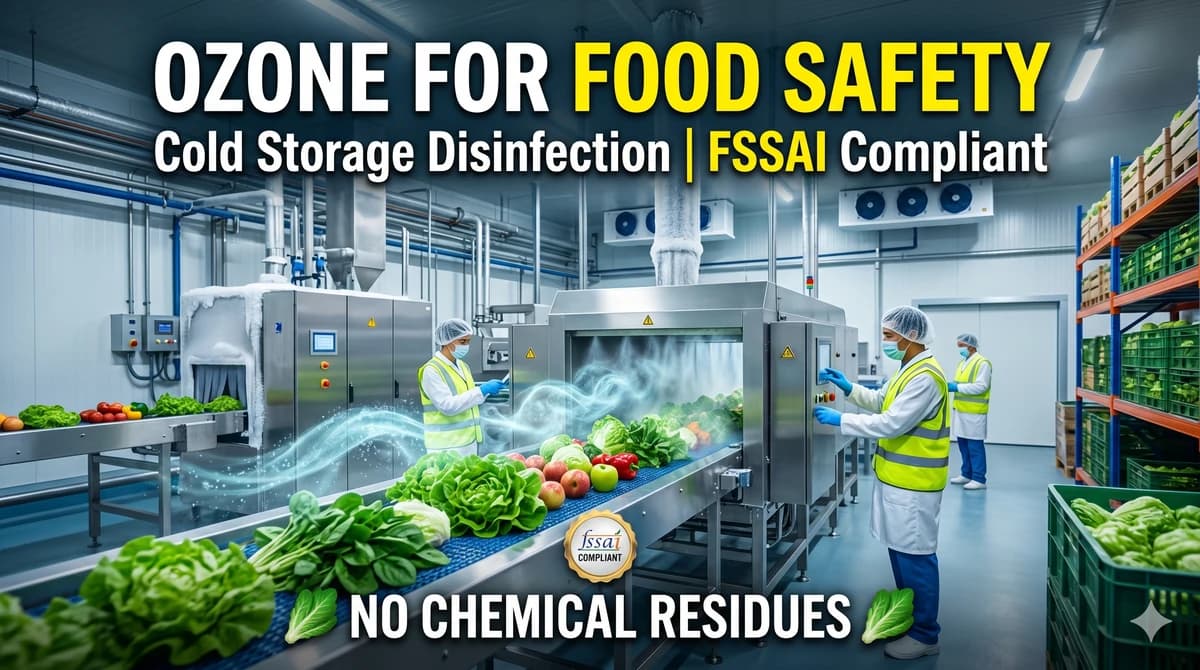
Food Processing and Safety
FSSAI-compliant ozone disinfection for food contact surfaces, CIP, cold storage, and vegetable washing
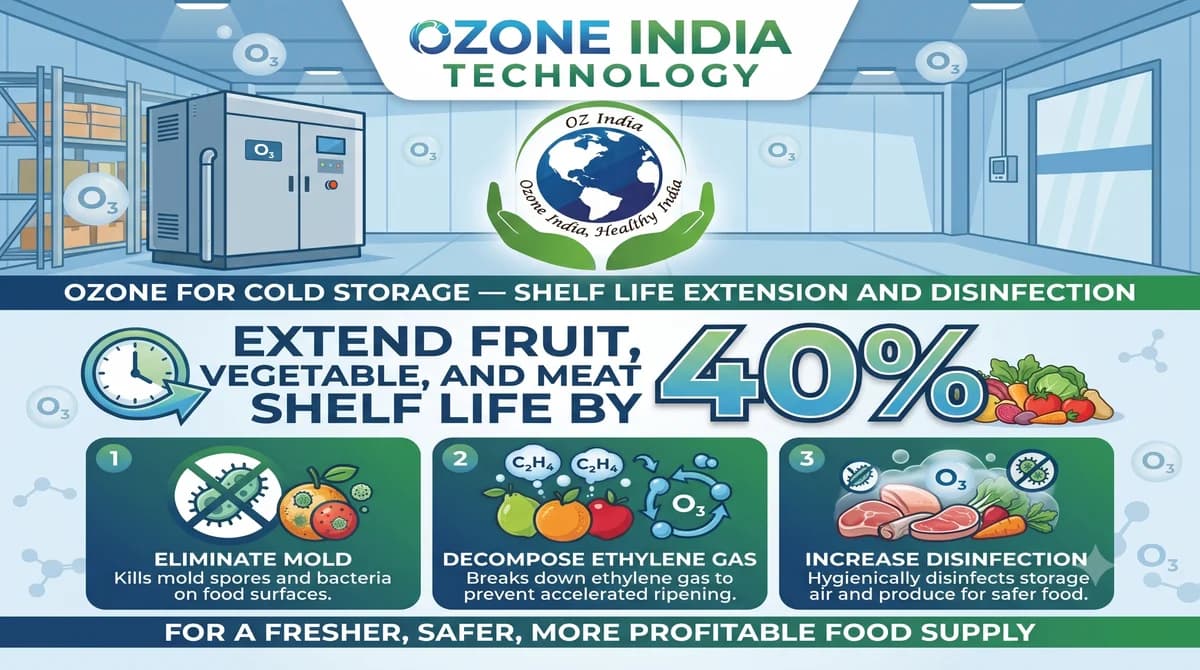
Cold Storage Ozone Treatment
Extend fruit, vegetable, and meat shelf life by 40% with ozone — eliminate mould, bacteria, and ethylene gas
Drinking Water Treatment
IS:10500 compliant ozone and UV disinfection for bottled water, RO plants, and municipal drinking water