
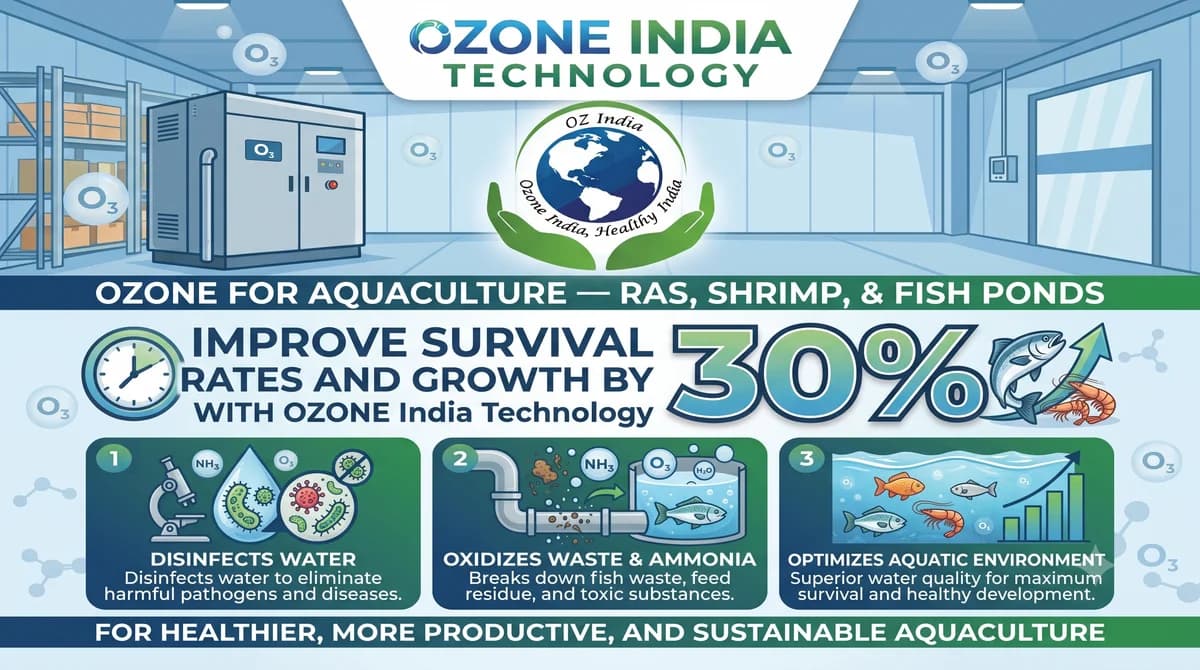
Ozone Generator for Aquaculture and Fish Farming
Improve survival rates and growth by 30% with ozone in RAS, shrimp, and fish pond water treatment
THE NEED
Why Aquaculture?
30%
better growth rate in ozone-treated RAS fish farms
99.9%
bacteria elimination at 0.1 mg/L ozone in pond water
50%
reduction in antibiotic use with ozone water treatment
Zero
chemical resistance — bacteria cannot adapt to ozone
TAN
total ammonia nitrogen removed — ozone oxidises ammonia
4-log
virus inactivation — prevents WSSV in shrimp farms
OVERVIEW
What is Aquaculture?
India is the world's second-largest aquaculture producer, with annual production exceeding 8 million metric tonnes of fish and shellfish valued at ₹1.2 lakh crore. The coastal aquaculture belt spanning Andhra Pradesh, Odisha, West Bengal, Kerala, Gujarat, and Tamil Nadu produces 70–80% of India's shrimp and fish for domestic consumption and export. Shrimp exports alone — predominantly Pacific white shrimp (Litopenaeus vannamei) and black tiger prawn (Penaeus monodon) — exceeded ₹57,000 crore in 2022-23, making seafood India's largest agricultural export commodity. Ozone generator for aquaculture has become a critical technology for Indian shrimp and fish farmers seeking to improve survival rates, eliminate viral disease losses, achieve antibiotic-free certification for EU and US markets, and meet increasingly stringent MPEDA export quality standards.
White Spot Syndrome Virus (WSSV) is the single most devastating pathogen in global shrimp farming, responsible for estimated annual losses exceeding USD 1 billion worldwide. WSSV causes 100% mortality in infected ponds within 3–10 days and can devastate an entire crop cycle, leaving farmers with no revenue after 60–90 days of investment. In Indian coastal states, WSSV outbreaks have periodically devastated the AP/Odisha shrimp farming sector — in 2016, WSSV losses exceeded ₹8,000 crore in AP alone. WSSV enters farms through infected seed stock, untreated intake water, wild crustacean vectors, and contaminated equipment. Ozone generator for aquaculture applied to intake water treatment (5–10 mg/L, 5–10 minute contact time) inactivates WSSV at 4-log levels, providing the most effective biosecurity measure available for shrimp hatcheries and grow-out ponds using sea or estuarine water intake.
Vibrio bacteria (V. harveyi, V. parahaemolyticus, V. vulnificus) are the second major pathogen threat in Indian shrimp farming, causing luminescent vibriosis (glowing larvae syndrome) in hatcheries and Early Mortality Syndrome (EMS/AHPND) in grow-out ponds. V. parahaemolyticus carrying the PirA/PirB toxin gene is responsible for AHPND, which produces 70–100% mortality in post-larvae within days of stocking. Vibrio densities in coastal intake water regularly exceed 10⁴ CFU/mL during monsoon seasons — impossible to manage with conventional lime treatment or settling ponds. Ozone generator for aquaculture at 2–5 mg/L in intake water reduces Vibrio to below detection limits (< 1 CFU/mL) — the benchmark standard for hatchery-grade water quality established by MPEDA's technical guidelines for certified shrimp hatcheries.
In recirculating aquaculture systems (RAS) — increasingly adopted for intensive fish and shrimp culture in India — ozone generator for aquaculture performs multiple simultaneous water quality functions beyond pathogen control. Summerfelt (2003), published in Aquacultural Engineering, established the scientific framework for RAS ozonation: at 0.05–0.1 mg/L dissolved ozone residual in the RAS recirculation loop, ozone oxidises dissolved organic matter that reduces water clarity (UV-T) and inhibits biological filtration, micro-flocculates fine particulate matter (TSS below 10 mg/L) for removal by drum filters, oxidises nitrite (NO₂⁻ → NO₃⁻) produced during nitrification, and destroys colour-causing compounds that stress fish. Post-ozone aeration (stripping residual ozone and degassing CO₂) increases dissolved oxygen to saturation — further improving fish welfare and growth performance.
The export compliance dimension of ozone generator for aquaculture is critical for Indian shrimp exporters. The EU, US, Japan, and other major markets impose strict maximum residue limits (MRLs) on veterinary drug residues in imported shrimp — particularly chloramphenicol (zero tolerance), nitrofuran metabolites (zero tolerance), oxytetracycline (100 µg/kg), and ciprofloxacin (50 µg/kg under US FDA import alert). Indian shrimp exports have faced EU and US import alerts for antibiotic residue violations multiple times in the past decade, disrupting market access and depressing farm-gate prices. Ozone generator for aquaculture directly addresses this issue by reducing pathogen pressure so effectively that therapeutic antibiotic use becomes unnecessary, enabling farmers to achieve the antibiotic-free production status required for premium market access. MPEDA's TRACENET system for certified shrimp exports increasingly requires documentation of biosecurity measures — including water treatment — and ozone systems satisfy this requirement.
THE SCIENCE
How Ozone & UV Work in Aquaculture
Ozone generator for aquaculture operates through two primary configurations depending on the farm type: intake water treatment (open ponds and hatcheries) and RAS in-situ ozonation (recirculating systems). For intake water treatment, the OZ India ozone generator produces ozone at 5–12% concentration by weight in oxygen (from PSA oxygen generator) or air. Ozone is contacted with intake sea or fresh water in a purpose-designed ozone contactor — typically a pipeline contactor or packed column — at a dose of 2–10 mg/L and contact time of 5–15 minutes, achieving the CT value required for WSSV inactivation (CT = 5 mg·min/L per literature consensus). Treated water then passes through a degassing tank or aeration tower to strip residual ozone to below 0.02 mg/L before entering the hatchery or grow-out pond, as residual ozone above 0.02 mg/L is toxic to shrimp post-larvae.
The biochemistry of ozone disinfection in marine and brackish water (used for shrimp aquaculture) differs importantly from freshwater applications. Bromide ions (Br⁻) present in seawater (68 mg/L at 35 ppt salinity) react rapidly with ozone to form hypobromous acid (HOBr) and bromine (Br₂), which are effective secondary disinfectants with longer half-lives than ozone. This ozone-bromine chemistry provides extended disinfection even after the primary ozone residual has decayed — a significant advantage in marine aquaculture where longer contact times are operationally difficult. Von Gunten (2003), published in Water Research, quantified the ozone-bromide reaction kinetics that underpin this mechanism, providing the scientific basis for ozone dose optimisation in marine aquaculture water treatment.
In RAS, ozone generator for aquaculture is configured as a partial-stream ozonation system treating 10–30% of the total recirculating flow. Summerfelt and Hochheimer (1997), in a landmark review in The Progressive Fish-Culturist, established the design principles for RAS ozonation: the ozone contact column must be sized to achieve ozone transfer efficiency above 90%; the dissolved ozone residual at the RAS recirculation loop entry point must not exceed 0.05 mg/L (for salmonids) or 0.02 mg/L (for marine species); and a biological safety column (activated carbon or biological media) must be positioned downstream of ozone contact to remove any residual ozone before water contacts fish. OZ India RAS ozone systems include all these elements: ozone generator, ozone contactor, dissolved ozone monitor, biological safety column, and post-ozone aerator/degasser as a complete package.
Micro-flocculation by ozone is a critical water quality benefit in RAS that is often under-appreciated by aquaculture farmers. Fine suspended solids below 30 µm (fecal fragments, uneaten feed particles, bacterial aggregates) pass through drum filters and biofilter media in conventional RAS, accumulating in the recirculation loop and reducing water transparency (Secchi depth). Ozone oxidises the organic surface charge of these fine particles, causing them to agglomerate into larger flocs (micro-flocculation) that are readily removed by drum filters. After ozone treatment, drum filter removal efficiency for TSS increases from 40–60% to 80–90%, reducing TSS in the recirculation loop from 30–80 mg/L to below 10 mg/L. This water clarity improvement is directly correlated with fish welfare and feed intake — salmon, sea bass, and shrimp in RAS with TSS below 10 mg/L show 8–12% better growth performance compared to systems with TSS above 30 mg/L.
Safety engineering for ozone generator for aquaculture requires careful management of ozone toxicity thresholds for target species. The tolerance of aquatic organisms to dissolved ozone varies widely: rainbow trout tolerate 0.006 mg/L; salmon 0.003 mg/L; shrimp 0.01–0.02 mg/L; tilapia 0.05 mg/L; catfish 0.1 mg/L. OZ India RAS ozone systems include the dissolved ozone monitor calibrated for aquaculture concentrations (range 0–0.1 mg/L, ±5% accuracy), with a hardwired interlock that shuts down the ozone generator if dissolved ozone at the RAS recirculation loop entry exceeds the species-specific threshold by 20%. A backup activated carbon safety column provides additional protection. Off-gas from the ozone contactor is collected and directed to an ozone destructor unit (OZ India Ozone Destructor) that thermally or catalytically decomposes residual ozone before discharge — protecting farm workers from atmospheric ozone exposure and satisfying OSHA 0.1 ppm TWA requirements.
THE SOLUTION
Ozone India Technology Solution
OZ India Technology's aquaculture ozone system is available in three configurations tailored to the specific application. The Hatchery Protection System (HPS) is designed for shrimp and fish hatcheries: 5–25 g/hr ozone generator (air or oxygen fed), venturi injection with ozone contactor column, dissolved ozone monitor (range 0–20 mg/L for intake water monitoring), residual ozone stripping tower, and OZ India Ozone Destructor for off-gas treatment. The HPS treats 5–100 m³/hr of intake water at 5 mg/L dose — sufficient to achieve 4-log WSSV inactivation and Vibrio elimination in hatchery water supply. For grow-out pond water intake treatment, the larger 25–75 g/hr systems treat 50–500 m³/hr flow at 3–5 mg/L dose, protecting ponds stocked at 60–100 post-larvae per litre from viral biosecurity threats.
For RAS operators in India — a growing segment including Kerala salmon RAS farms, Gujarat sea bass RAS, and AP intensive shrimp RAS — OZ India provides a complete RAS ozone package: ozone generator (oxygen-fed, 5–25g/hr depending on RAS recirculation volume), ozone contactor column (304 stainless steel, 10 minute contact time at 10–30% RAS flow rate), dissolved ozone monitor with fish-safe high alarm and automatic shutdown interlock, activated carbon biological safety column, post-ozone aeration tower, ozone ambient air monitor for the equipment room, and OZ India Ozone Destructor for off-gas management. The entire RAS ozone package is skid-mounted for easy installation in existing RAS infrastructure without requiring civil modifications.
MPEDA export compliance documentation is a standard deliverable with every OZ India aquaculture ozone system. The package includes: regulatory justification for ozone use (citing MPEDA guidelines, FDA GRAS status, EU Regulation 1881/2006, and FAO/WHO 2006 risk-benefit assessment on aquaculture practices), WSSV and Vibrio inactivation CT calculations with supporting literature references (Summerfelt 2003; Summerfelt and Hochheimer 1997), dissolved ozone monitoring data log format and protocol, antibiotic-free production support documentation (demonstrating that ozone-based biosecurity reduces therapeutic antibiotic requirement), and ozone destructor off-gas safety documentation. This compliance package satisfies the documentation requirements for MPEDA's TRACENET certified export shrimp programme.
OZ India supplies aquaculture ozone systems to hatcheries, grow-out farms, RAS operators, and seafood processing plants across India's aquaculture belt. Our project delivery model for aquaculture includes: site assessment of water intake quality (microbiological and physical parameters), system specification and sizing, equipment supply with factory acceptance testing, installation by OZ India-certified engineers experienced in aquaculture environments, commissioning with WSSV challenge water testing validation, farmer and hatchery technician training, and 12-month warranty. Annual Maintenance Contracts are structured around the seasonal aquaculture calendar, with scheduled preventive maintenance during inter-crop periods to minimise disruption to active stocking cycles. Emergency response within 48 hours is available across AP, Odisha, Kerala, Gujarat, and Tamil Nadu coastal districts.
PERFORMANCE
Without vs With OZ India Treatment
| Parameter | Without Treatment | With OZ India System |
|---|---|---|
| WSSV Inactivation in Intake Water | Chlorination: 30 ppm, 24 hr — inconsistent inactivation | Ozone generator for aquaculture: 5 mg/L, 10 min — 4-log inactivation, PCR negative |
| Vibrio Count in Larval Rearing Water | 10³–10⁴ CFU/mL; luminescent disease, AHPND risk | Ozone generator for aquaculture: <50 CFU/mL; Vibrio below MPEDA detection threshold |
| Larval Survival Nauplius→PL12 | 35–45% survival in conventional hatcheries | 60–70% survival with ozone generator for aquaculture biosecurity |
| Antibiotic Use in Farm | Routine therapeutic use; EU/US market access blocked | Zero therapeutic antibiotics with ozone generator for aquaculture; antibiotic-free certification achievable |
| TSS in RAS (micro-flocculation) | 30–80 mg/L fine TSS; 60% drum filter efficiency | <10 mg/L TSS; 90% drum filter efficiency with ozone generator for aquaculture |
| RAS Stocking Density | Baseline limited by water quality | 20–30% higher stocking density with ozone generator for aquaculture (Summerfelt 2003) |
| MPEDA Export Certification | No validated biosecurity documentation | Ozone generator for aquaculture CT records accepted as TRACENET biosecurity evidence |
| Water Treatment Chemical Cost | Chlorine, formalin, antibiotics: ₹5–15 lakh/year/hatchery | Electricity only with ozone generator for aquaculture; chemical and antibiotic costs eliminated |
PERFORMANCE DATA
Technical Performance Data
Reference data for ozone treatment system design and validation — applicable to Aquaculture applications. All data per standard water treatment engineering practice (AWWA, WHO, CPCB guidelines).
Pathogen Log Inactivation at 3 mg/L Ozone (CT = 45 mg·min/L)
BOD Reduction (%) vs Ozone Dose — Typical STP/ETP Secondary Effluent
E. coli Log Inactivation vs Contact Time at 3 mg/L Ozone
System Sizing Guide — Plant Flow Rate vs Ozone Generator Capacity
RECOMMENDED EQUIPMENT
Products for Aquaculture
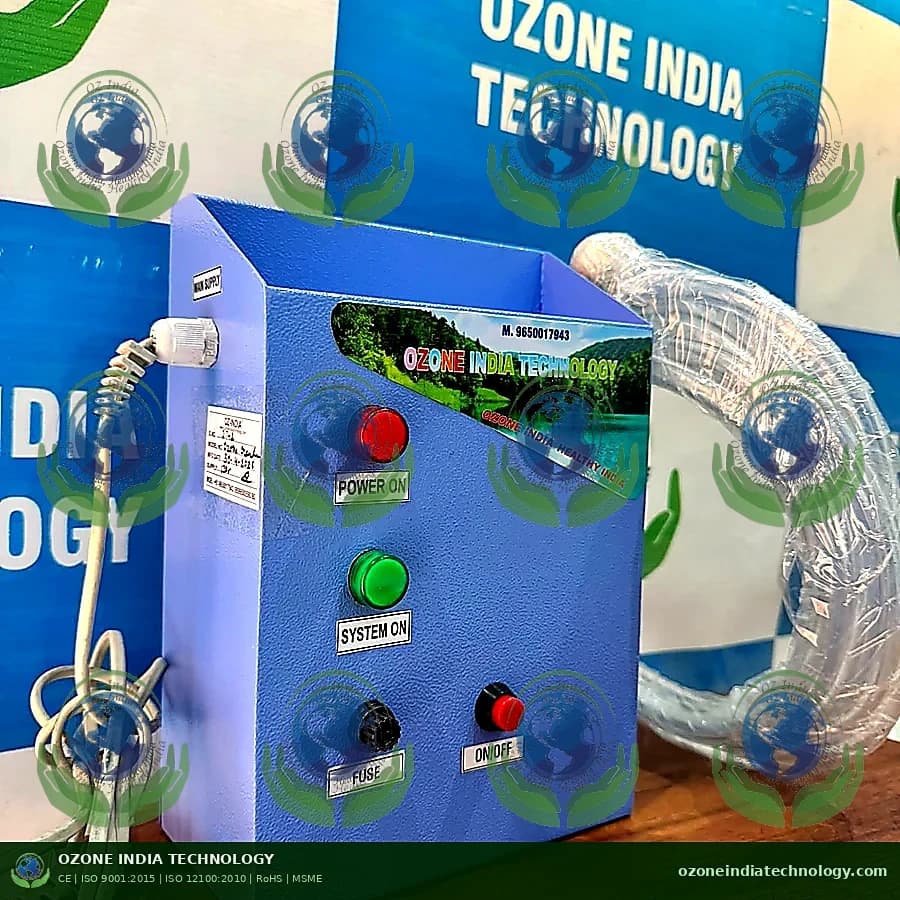
Ozone Generator — Portable 2g/hr
Compact corona discharge ozone generator for small-scale water treatment and air purification
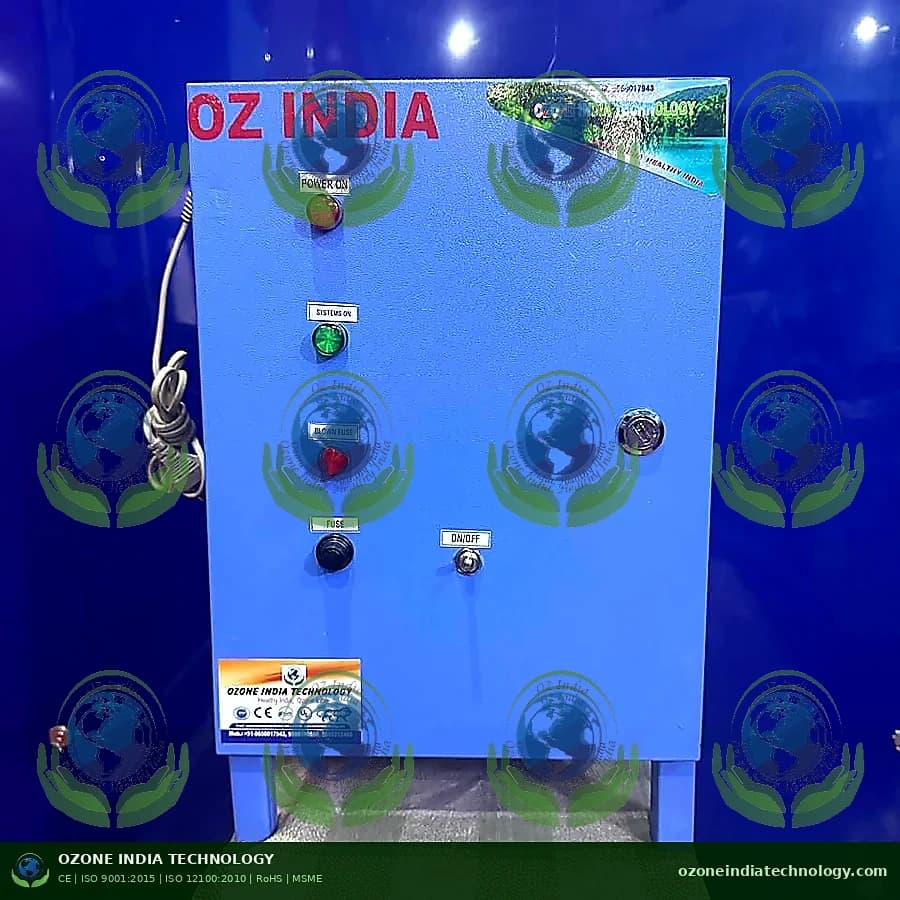
Ozone Generator — Light Industrial 5g/hr
Light industrial ozone generator for small water treatment plants and commercial disinfection
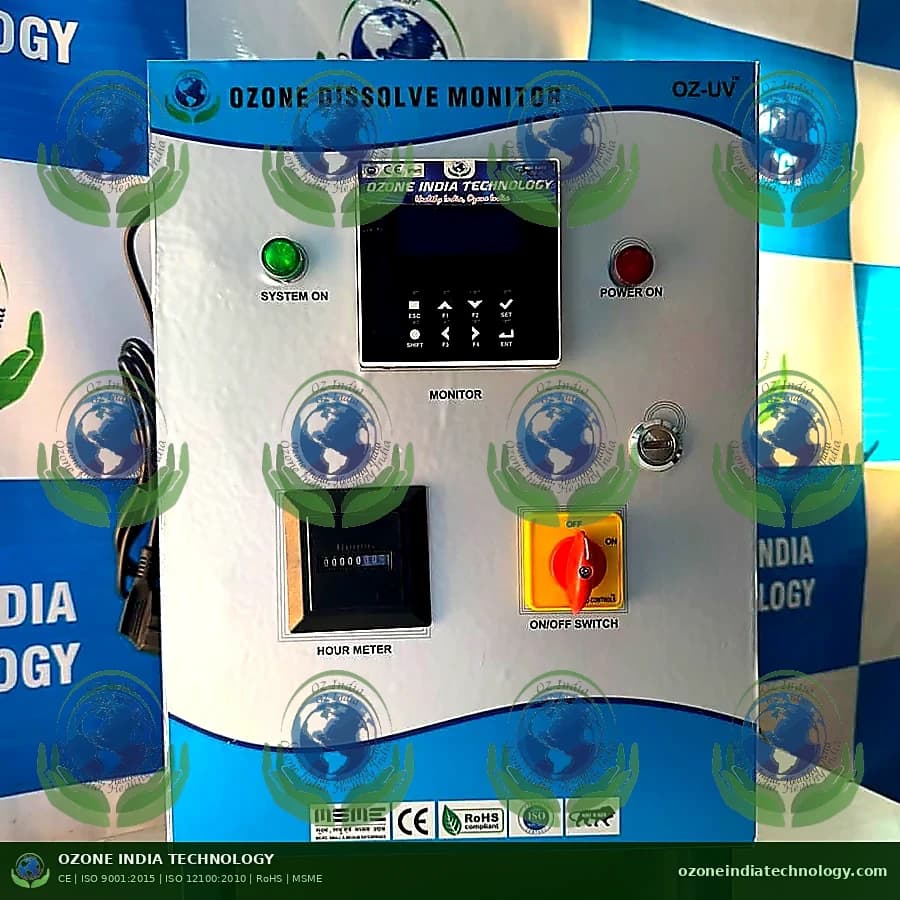
Ozone Dissolve Monitor with Contactor Support
In-line dissolved ozone monitor for water treatment process control with contactor support
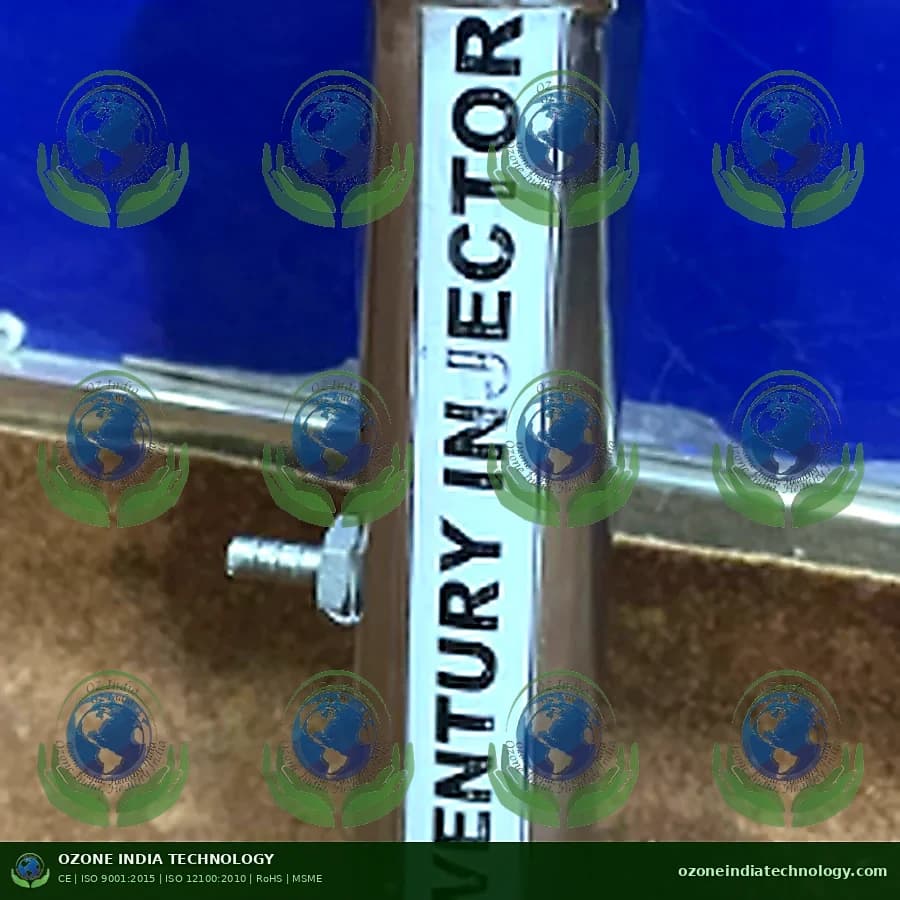
Ozone Venturi Injector
SS316L ozone venturi injector for efficient ozone dissolution into water under pressure
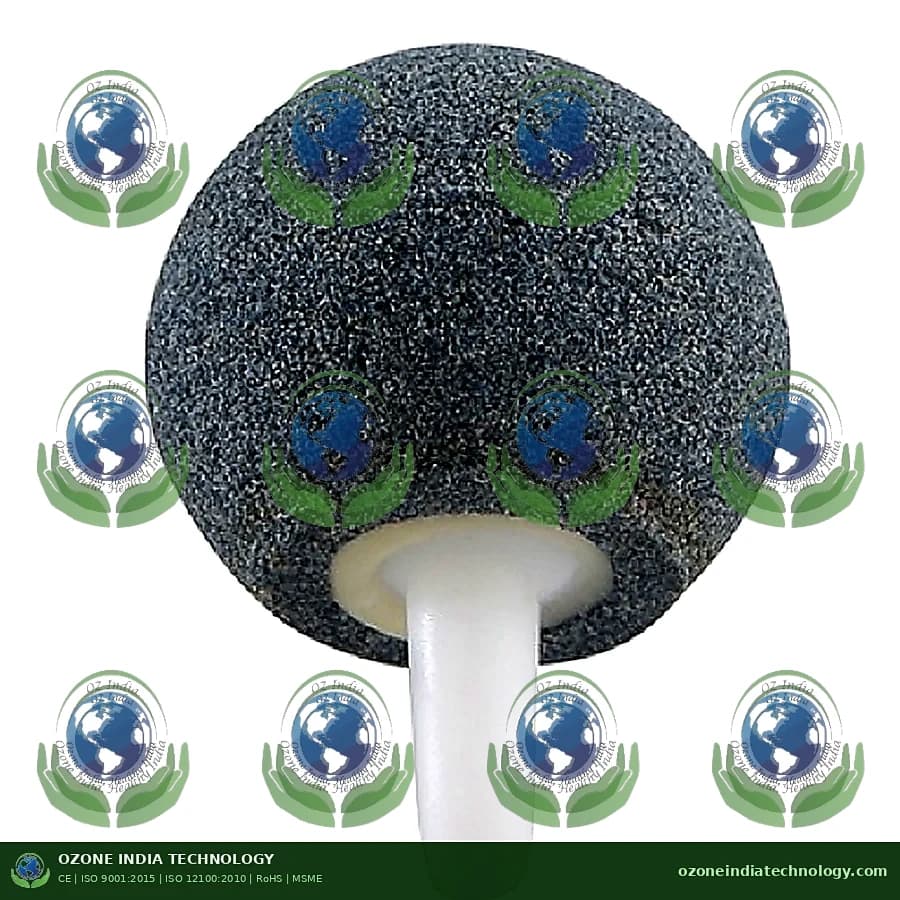
Ozone Air Diffuser
PTFE and ceramic porous disc ozone air diffuser for bubble dissolution in ozone contact tanks
SIZING GUIDE
Installation & Sizing Guide
Sizing ozone generator for aquaculture for intake water treatment requires: intake flow rate (m³/hr), target pathogens (WSSV requires CT ≥5 mg·min/L; Vibrio requires CT ≥1 mg·min/L), water temperature and salinity (affects ozone demand and bromide-mediated secondary disinfection), and target residual ozone at pond entry (must be <0.02 mg/L for shrimp, <0.005 mg/L for salmon). Ozone dose for marine intake water at 5 mg/L with 10 minute contact time: ozone generator capacity (g/hr) = Flow (m³/hr) × Dose (mg/L) × Safety factor (1.3) × 1,000 / Transfer efficiency (90%) / 60 = Flow (m³/hr) × 120. For a 10 m³/hr hatchery intake flow: 10 × 120 = 1,200 g/hr. Wait — this is g/min converted: 10 m³/hr × 5 g/m³ × 1.3 / 0.90 = 72 g/hr. OZ India applies site-specific demand testing to validate this calculation before system specification.
For RAS ozone generator for aquaculture sizing, the key parameters are RAS volume (m³), daily fish biomass (kg), feed loading rate (kg/day), and target dissolved ozone residual in the recirculation loop (species-specific, 0.005–0.05 mg/L). RAS ozone demand is primarily driven by dissolved organic carbon (DOC) load, which correlates with feed rate. Summerfelt (2003) established that RAS ozone demand is approximately 0.2–0.5 g O₃ per kg feed input per day. For a 100 m³ salmon RAS with 50 kg/day feed rate: ozone demand = 50 × 0.35 = 17.5 g/day = 0.73 g/hr. The OZ India 5g/hr system provides sufficient capacity with safety margin. The partial-stream contact flow (10–30% of RAS recirculation, typically 5–20 m³/hr) determines the contact column sizing — targeted at 10 minute HRT at the maximum operating flow rate.
Ozone contactor design for aquaculture applications must minimise off-gas accumulation and ensure complete ozone dissolution before water contacts fish. OZ India supplies two contactor types: downflow packed column contactors (for high ozone transfer efficiency, 90–95%) and venturi injection pipeline contactors (for simpler installation and lower capital cost, 75–85% transfer efficiency). Packed column contactors are recommended for RAS applications where maximising dissolved ozone concentration at minimum ozone generation rate is critical for economical operation. Venturi pipeline contactors are standard for intake water treatment applications where large volumes at moderate dissolved ozone concentrations are required. All contactors are supplied with an off-gas collection header connecting to the OZ India Ozone Destructor.
Post-ozone treatment is non-negotiable in aquaculture ozone generator sizing. After the ozone contactor, treated water must pass through: (1) a stripping tower or cascade aerator to strip residual ozone below species-specific toxicity threshold; (2) UV irradiation (optionally) to photolytically destroy any residual dissolved ozone not stripped by aeration; (3) the dissolved ozone monitor measuring the treated water before it contacts fish or enters the pond; and (4) for RAS, an activated carbon safety column as a final protection layer. OZ India's aquaculture system sizing calculations account for all these post-ozone treatment elements, ensuring the complete system footprint, pressure drop, and energy consumption are integrated into the project scope from the outset — avoiding the common problem of specifying the ozone generator without adequate post-treatment infrastructure.
CASE STUDY
WSSV Elimination and MPEDA Export Certification at Shrimp Hatchery, Nellore, AP
A Litopenaeus vannamei shrimp hatchery in Nellore district, Andhra Pradesh, producing 50 million post-larvae (PL12) per month for sale to grow-out farmers across coastal AP, had suffered three consecutive WSSV outbreaks in two years — resulting in 100% broodstock mortality twice and loss of two full production cycles, totalling losses of ₹1.8 crore. The hatchery used sea water from an open intake channel and relied on settling tanks and chlorination (30 ppm, 24-hour contact) for water treatment. PCR testing confirmed WSSV presence in 40% of intake water samples during peak outbreak season (October–January). MPEDA certification for export-quality PL supply to certified export farmers required demonstration of a validated biosecurity system including intake water treatment.
OZ India Technology assessed the hatchery intake at 15 m³/hr peak flow and specified a 15g/hr oxygen-fed ozone generator with OZ India PSA Oxygen Generator, a downflow packed column ozone contactor (15-minute contact time), dissolved ozone monitor (range 0–20 mg/L), stripping aeration column, and OZ India Ozone Destructor for off-gas management. The system was installed in 3 days without interrupting hatchery operations by treating the reserve seawater tank rather than the live system during installation. Post-commissioning dissolved ozone at contactor outlet was 8.2 mg/L; after stripping tower, residual was 0.008 mg/L — below the 0.02 mg/L shrimp toxicity threshold. PCR testing of treated intake water for WSSV returned negative in 24 consecutive weekly samples post-commissioning.
In the 18 months following ozone system commissioning, the hatchery completed 6 full production cycles without a WSSV incident — the longest WSSV-free run in the hatchery's 8-year operating history. Vibrio counts in larval rearing tanks dropped from 10³–10⁴ CFU/mL (pre-ozone) to below 50 CFU/mL, and larval survival from nauplius to PL12 improved from 42% to 68%. MPEDA certification was granted in the 4th month post-commissioning, enabling the hatchery to supply certified export farmers at a premium price of ₹220 per 1,000 PL versus ₹160 for non-certified supply. Annual revenue increase from premium pricing and increased production volume: ₹52 lakh. Ozone system payback achieved in 7 months.
FAQ
Frequently Asked Questions
What ozone dose is required to inactivate WSSV in shrimp hatchery intake water?+
Published literature establishes a CT value of 5 mg·min/L for 4-log WSSV inactivation in marine water at 25°C — achievable with 5 mg/L dissolved ozone and 1 minute contact time, or 1 mg/L and 5 minutes contact time. OZ India ozone generator for aquaculture is configured at 5–8 mg/L with 10–15 minute contact time for hatchery applications, providing a safety factor of 3–5× above the minimum CT, accounting for variation in intake water turbidity and organic load that increases ozone demand. After the ozone contactor, a stripping tower reduces residual ozone to below 0.02 mg/L before water enters larval rearing tanks — the critical safety step for preventing ozone toxicity to shrimp larvae.
Is ozone generator for aquaculture safe for shrimp and fish — what are the toxicity thresholds?+
Dissolved ozone is toxic to aquatic organisms above species-specific threshold concentrations. Established safe limits: shrimp (L. vannamei and P. monodon) — 0.01–0.02 mg/L; Atlantic salmon — 0.003 mg/L; tilapia — 0.05 mg/L; catfish — 0.1 mg/L. OZ India ozone generator for aquaculture systems include automatic shutdown interlocks triggered when dissolved ozone at the fish/shrimp contact point exceeds the species threshold by 20%. Post-ozone aeration and activated carbon safety columns provide defence-in-depth. When properly engineered, ozone generator for aquaculture systems operate with zero toxic incidents — the key is post-ozone treatment, not ozone avoidance.
Can ozone replace antibiotics in shrimp farming for MPEDA export compliance?+
Ozone generator for aquaculture dramatically reduces the need for therapeutic antibiotics by eliminating the pathogen pressure (Vibrio, WSSV, bacterial pathogens) that drives antibiotic use. It is not a direct antibiotic replacement — it prevents the diseases that require antibiotic treatment. In MPEDA-certified export shrimp farms using ozone generator for aquaculture for intake water treatment and biosecurity, therapeutic antibiotic use has been reduced to zero in multiple case studies reviewed by MPEDA. The MPEDA TRACENET system accepts ozone generator for aquaculture treatment documentation as a biosecurity measure supporting antibiotic-free certification — a prerequisite for accessing EU, US, and Japanese export markets.
What is the difference between ozone treatment for open ponds versus RAS in aquaculture?+
For open ponds, ozone generator for aquaculture is applied to intake water before it enters the pond — treating 100% of new water at high dose (3–10 mg/L) to inactivate all pathogens before stocking. Once water is in the pond and shrimp are stocked, direct ozone addition is not practical due to the large water volume and risk of toxic residuals. For RAS, ozone generator for aquaculture delivers ozone continuously to a partial stream (10–30% of recirculation flow) at low dose, maintaining a sub-toxic dissolved residual (0.01–0.05 mg/L) for continuous pathogen control, organic matter oxidation, and micro-flocculation. Both applications require post-ozone stripping to safe residual levels before water contacts shrimp or fish.
How does ozone improve water quality in RAS beyond pathogen control?+
Ozone generator for aquaculture in RAS provides four simultaneous water quality improvements beyond pathogen control: (1) dissolved organic carbon (DOC) oxidation — reducing colour-causing humic substances and improving UV transmittance for UV sterilisation; (2) micro-flocculation of fine TSS below 30 µm — improving drum filter removal efficiency from 60% to 90%; (3) nitrite oxidation (NO₂⁻ to NO₃⁻) — preventing nitrite toxicity in high-loading RAS; and (4) dissolved oxygen increase — ozone decomposition releases oxygen, and post-ozone aeration achieves 100% DO saturation. These combined effects of ozone generator for aquaculture support 20–30% higher fish stocking densities compared to RAS without ozone (Summerfelt 2003).
What infrastructure is needed for ozone generator for aquaculture installation?+
Core infrastructure requirements for an OZ India ozone generator for aquaculture system: 415V 3-phase power supply (5–25 kW depending on system size), compressed air supply (for air-fed systems) or PSA oxygen generator installation space (3 m² for OZ India 90%-O₂ units), ozone contactor column with adequate pressure head (typically 3–5 m water column), stripping aeration column or packed tower, and chemical-resistant pipework (PVDF or ABS for ozone-carrying sections). For hatcheries, the ozone generator for aquaculture system is typically installed in a separate equipment room adjacent to the seawater treatment area, with insulated PVDF piping carrying ozonated water to the larval rearing hall. OZ India engineers assess existing infrastructure during site visits and provide installation layout drawings that minimise civil works.
How does ozone generator for aquaculture meet EU import requirements for Indian shrimp exports?+
EU Regulation 1881/2006 sets maximum levels for contaminants in seafood, including antibiotic residues. Indian shrimp exports have historically faced EU import alerts for nitrofuran and chloramphenicol residues from therapeutic antibiotic use. By eliminating the pathogen pressure that drives antibiotic use, ozone generator for aquaculture enables Indian shrimp farmers to achieve antibiotic-free production status verified by MPEDA TRACENET and third-party testing. Additionally, BIS IS 6798 (Indian standard for frozen shrimp) requires absence of antibiotic residues above MRL in certified export product. OZ India ozone generator for aquaculture provides MPEDA-compatible treatment records for inclusion in export lot documentation, satisfying the traceability requirements of EU RASFF (Rapid Alert System for Food and Feed) compliance documentation.
RELATED
Related Applications
Food Processing and Safety
FSSAI-compliant ozone disinfection for food contact surfaces, CIP, cold storage, and vegetable washing
Drinking Water Treatment
IS:10500 compliant ozone and UV disinfection for bottled water, RO plants, and municipal drinking water
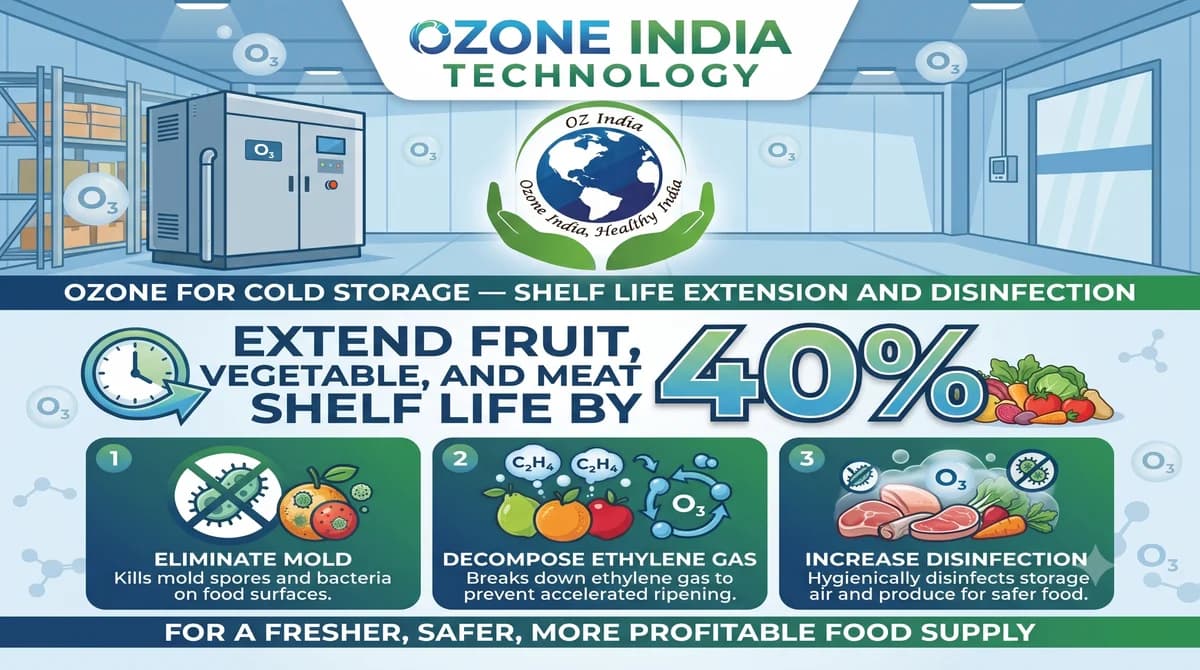
Cold Storage Ozone Treatment
Extend fruit, vegetable, and meat shelf life by 40% with ozone — eliminate mould, bacteria, and ethylene gas
Have a question about Aquaculture?
Talk to our engineers — free technical consultation
WhatsApp Us Now